| Quantity: | |
|---|---|
| Product Overview |
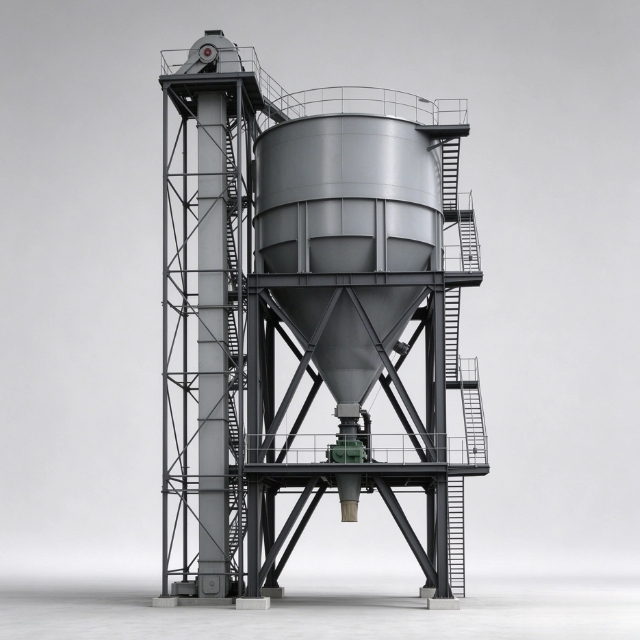
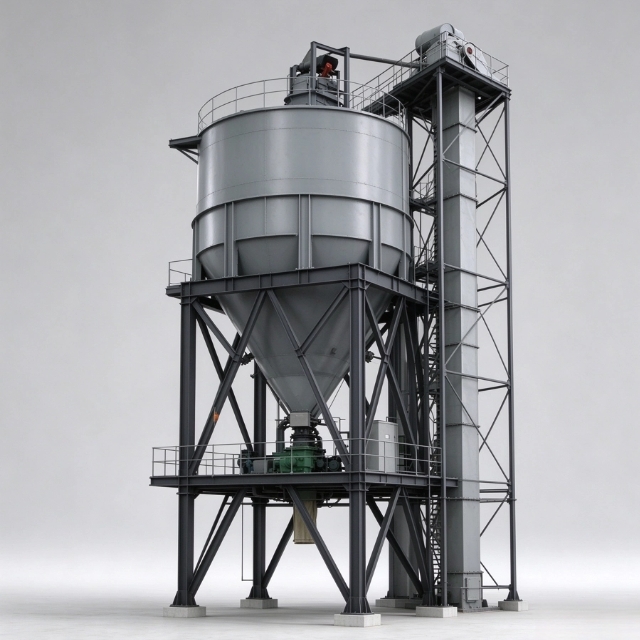
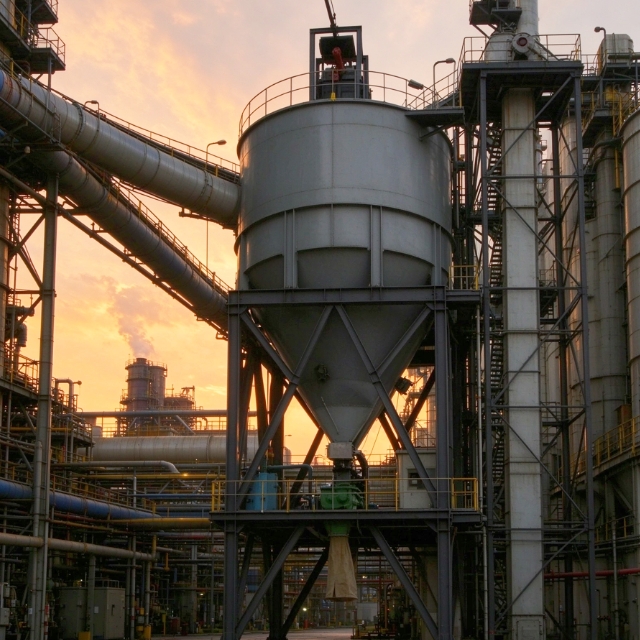
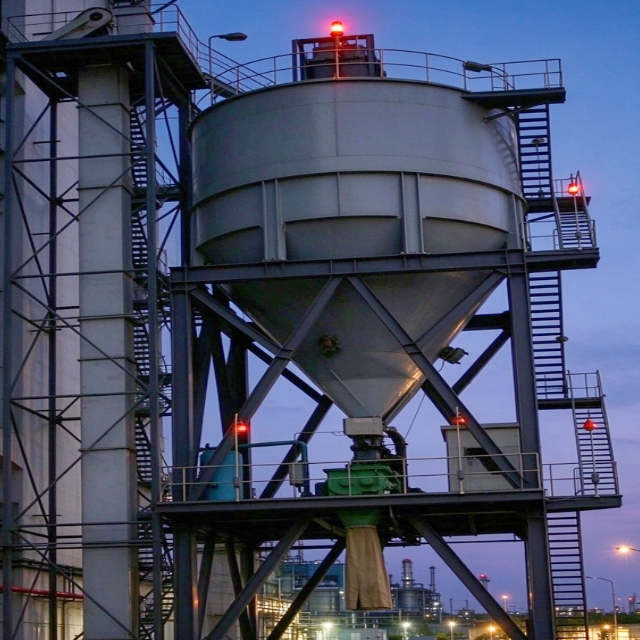
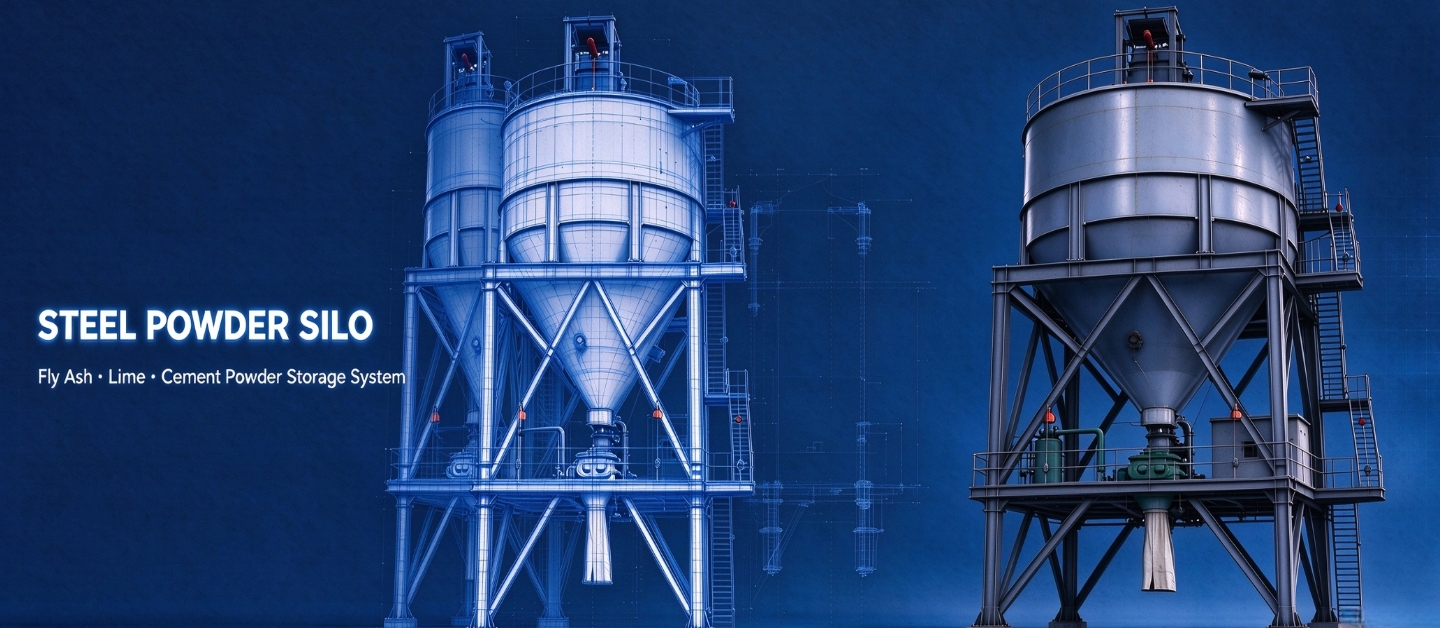
The Strong Slag Steel Silo is a premium storage system designed exclusively for the power generation and cement industries, offering a reliable and efficient solution for storing slag, fly ash, and other bulk materials. Constructed with high-quality Q235-A carbon structural steel, this silo combines robust performance, large storage capacity, and eco-friendly design to meet the demanding needs of industrial material management. Its scientific structure—featuring a cylindrical upper body, conical lower hopper, and integrated auxiliary equipment—ensures seamless loading, safe storage, and efficient unloading, while its weatherproof and corrosion-resistant properties guarantee long-term durability in diverse environmental conditions. As a sustainable storage option, the silo aligns with modern industrial trends of reducing environmental impact and optimizing operational efficiency. |
| Item | Specification |
| Main Material | Q235-A carbon structural steel (silo body); I-steel (support structure) |
| Storage Capacity | 50m³ to 1200m³ (standard models); customized up to 3000m³ |
| Dimensions (Diameter X Height) | 3m X 8m to 12m X 28m (standard); customized per requirements |
| Conical Hopper Angle | 65° to 75° (optimized for smooth unloading) |
| Auxiliary Unloading Device | Pneumatic gasification tank (prevents material bridging) |
| Level Gauge Configuration | High-low level gauge (alarm function) + continuous level gauge (real-time monitoring) |
| Maximum Bearing Capacity | 50t to 600t (static load) |
| Service Life | ≥15 years (with regular maintenance) |
| Protection Class | IP65 (dustproof, waterproof) |
| Certifications | ISO 9001, GB/T 19001, CE |
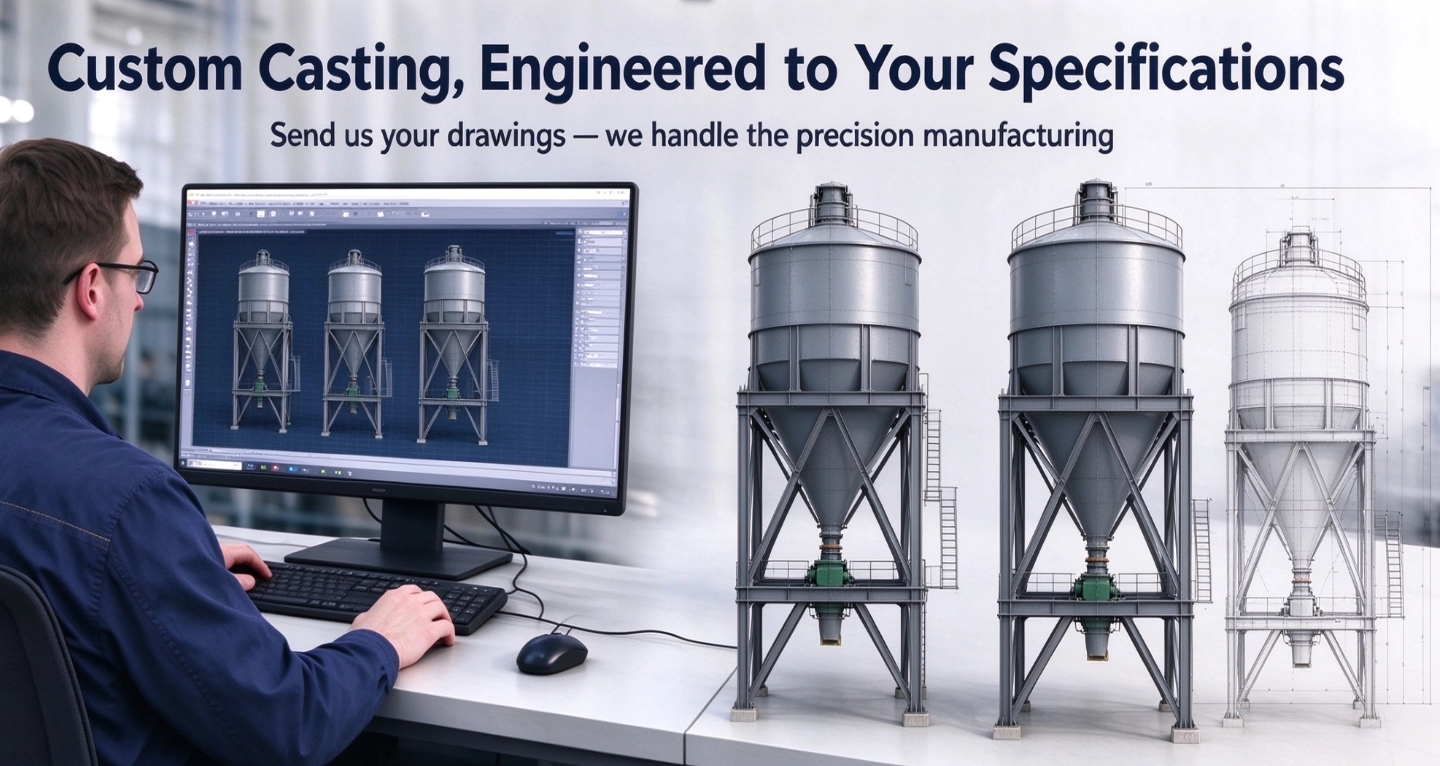
| 1 | Silo shell is fabricated from Q235B or Q345B carbon steel plate, joined by full-penetration welding and 100% weld inspection, keeping structural strength stable under long-term powder load. |
| 2 | Conical hopper uses a steep wall angle with a smooth polished inner surface, letting cement, fly ash or mineral powder slide out fully and cutting residual powder and manual cleaning time. |
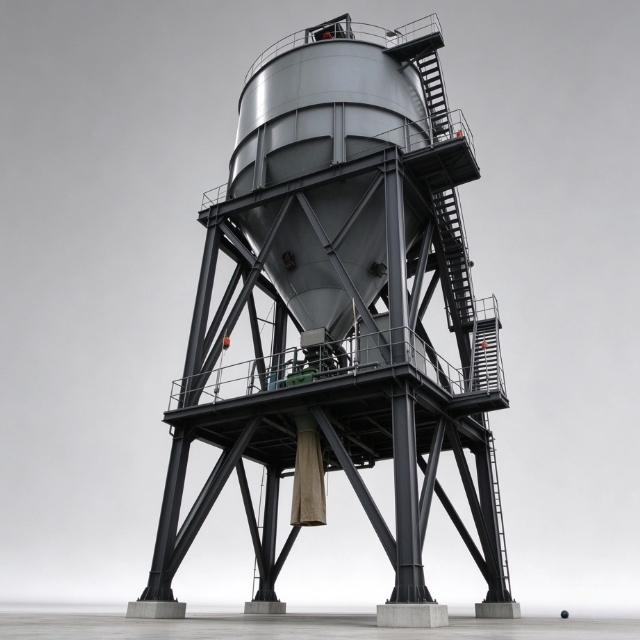
| 3 | Four-leg support frame with cross bracing and ring-beam connection spreads the load evenly onto the foundation, keeping the silo steady on compacted ground or concrete pads in windy sites. |
| 4 | Bolted sectional design splits shell, cone and legs into container-friendly modules, lowering ocean freight cost per unit and allowing fast assembly on site with ordinary lifting equipment. |
| 5 | Surface is shot blasted to Sa2.5, then coated with zinc-rich primer, epoxy intermediate and polyurethane topcoat for durable anti-corrosion in humid, coastal or chemically aggressive plants. |
| 6 | Dust-tight top cover with pulse-jet filter unit and inspection hatch keeps fines inside the silo, protecting operators and helping the plant meet dust limits during pneumatic filling. |
| 7 | Pressure relief valve and air vent on the roof balance internal pressure during pneumatic blowing, preventing shell plate deformation and protecting filter bags from over-pressure damage. |
| 8 | Continuous level indicator with high and low probes gives real-time inventory readout, helping planners schedule replenishment and avoid overflow, spillage or empty-run production stops. |
| 9 | Air fluidizing pads and aeration inlets fitted under the cone loosen compacted powder, restoring reliable gravity flow for fine cohesive materials such as fly ash, lime dust and slag powder. |
| 10 | Discharge outlet offers a manual butterfly valve or pneumatic pinch valve plus optional screw conveyor flange, giving flexible take-away options for bagging, mixing, dosing or truck loading. |
| 11 | Ladder, working platform and handrails come as standard safety access, with climbing cage, inspection door and roof guardrail available for routine inspection and maintenance work at height. |
| 12 | Capacity, diameter and cone angle are engineered to your drawing, so the finished silo matches your batching line, truck loading height and the actual footprint available on your plant site. |
| 13 | Weather-resistant construction with sealed joints, UV-stable topcoat and drained top rim supports long-term outdoor installation, from snowy northern sites to hot, rainy southern plants. |
| 14 | Structural calculation covers wind load, snow load and seismic requirements for your region, and a stamped calculation report can be supplied on request to support local approval. |
| 15 | Modular accessories such as vibrators, arch breakers, bursting discs, sampling ports and temperature probes can be specified at order stage, so one silo covers many powder handling duties. |
| 16 | Every unit ships with material certificates, weld inspection reports, dimensional records and a packing list, giving your QA team traceable documents for incoming inspection and audits. |
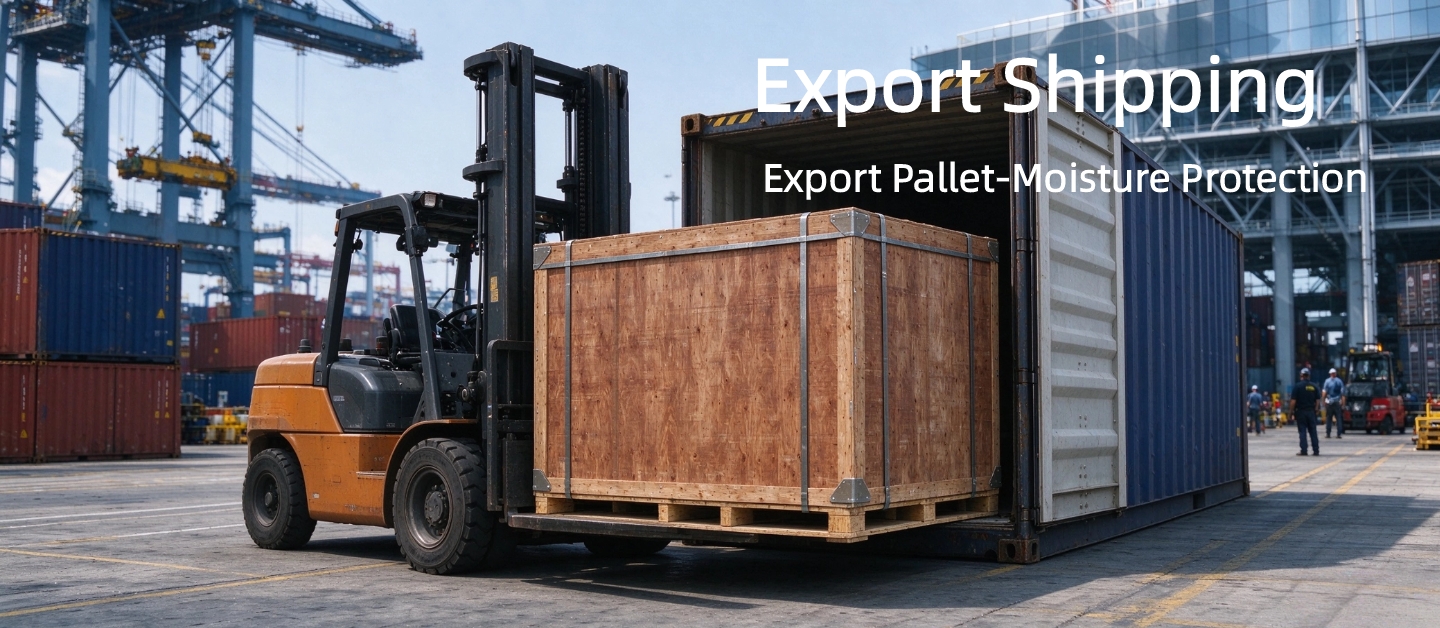
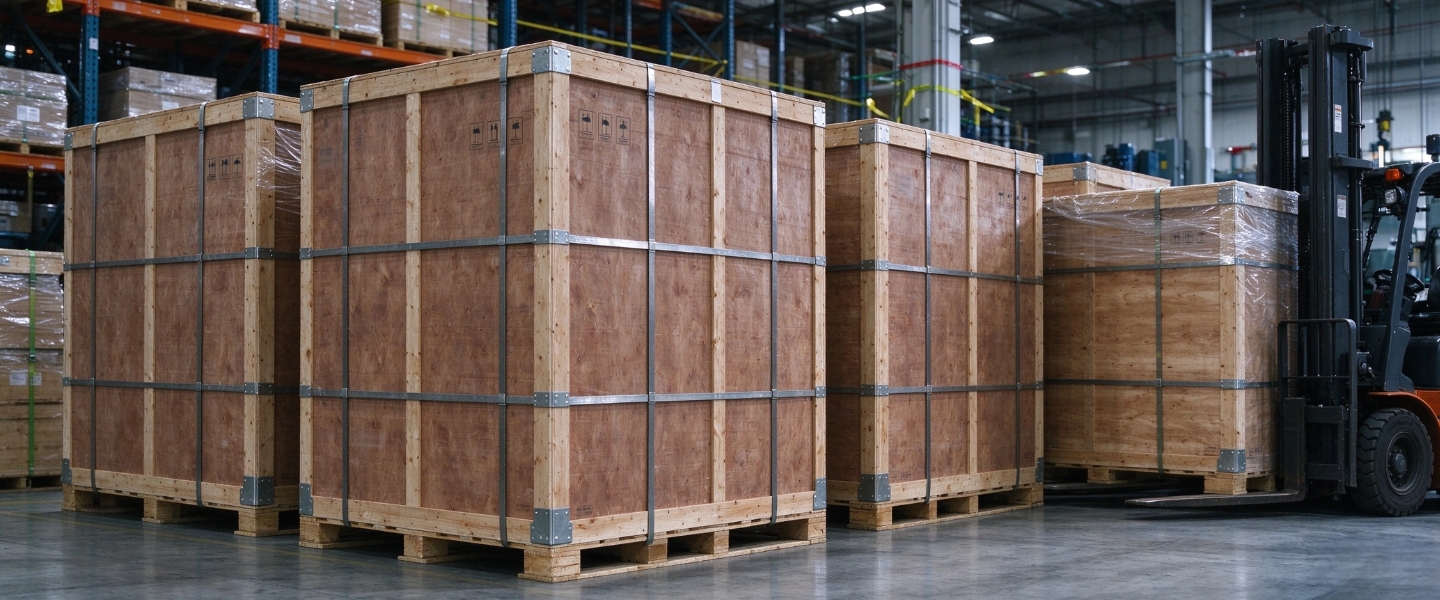
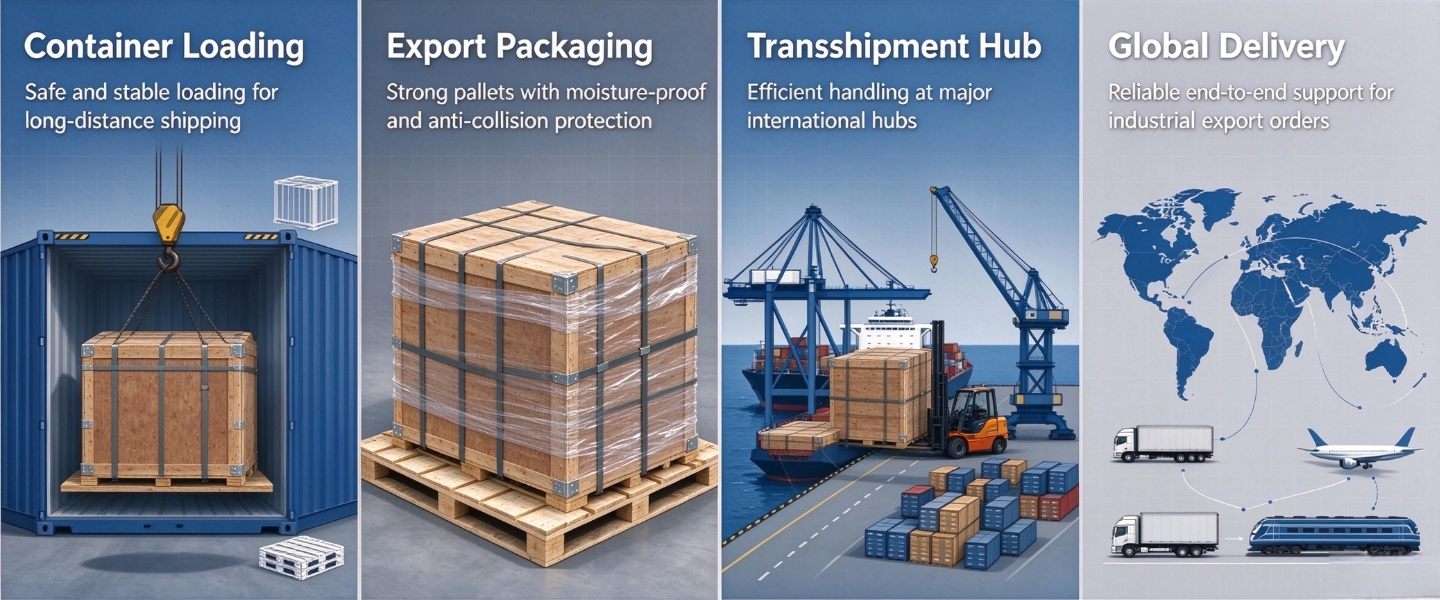
| 17 | Each module is wrapped in waterproof film, blocked and braced inside the container with clear shipping marks, reducing transit damage risk and shortening unloading and site handling time. |
| 18 | Standard sizes and fully custom builds are both available, with typical production lead time of 15 to 25 days after drawing confirmation and 25 to 35 days for customized silo projects. |
| 19 | Spare parts including filter bags, discharge valves, level probes and aeration pads are kept available, so maintenance teams can restore a silo quickly and avoid long production downtime. |
| 20 | Widely applied to cement, fly ash, slag powder, lime, gypsum and mineral filler storage in concrete batching plants, power stations, mines, chemical works and dry-mortar production lines. |
FAQ
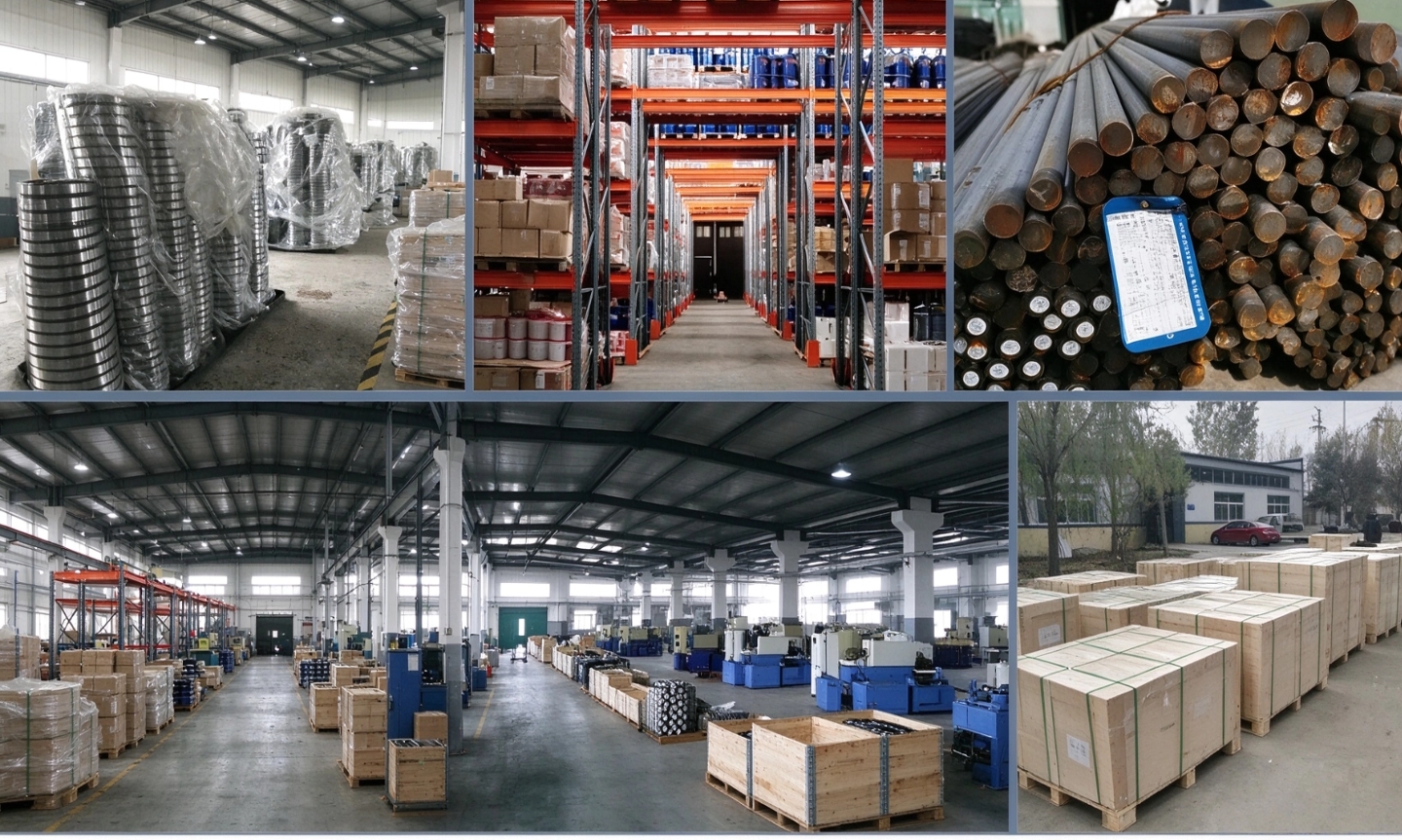
| 1 | Are you a factory or a trading company? | We are a factory manufacturing vertical steel powder silos with our own welding, blasting and painting workshops; factory audit and complete export are available. |
| 2 | What is the MOQ? | Custom silos are quoted per project; there is no fixed MOQ, starting from one unit, with better unit price at larger quantities. |
| 3 | What are the standard capacities? | Common capacities are 50, 100, 200, 300 and 500 m3; diameter and height can be engineered for the project. |
| 4 | What steel grade is used? | Mainly Q235B; larger or special-duty silos can be upgraded to Q355B, with plate thickness calculated by load. |
| 5 | What materials can be stored? | Dry powders such as fly ash, lime powder, hydrated lime, cement, slag powder and calcium carbonate; wet or caking material needs extra anti-bridging measures. |
| 6 | Will powder bridge in the hopper? | The hopper angle is above 60 degrees to prevent bridging; air cannons or vibrators can be added for sticky material. |
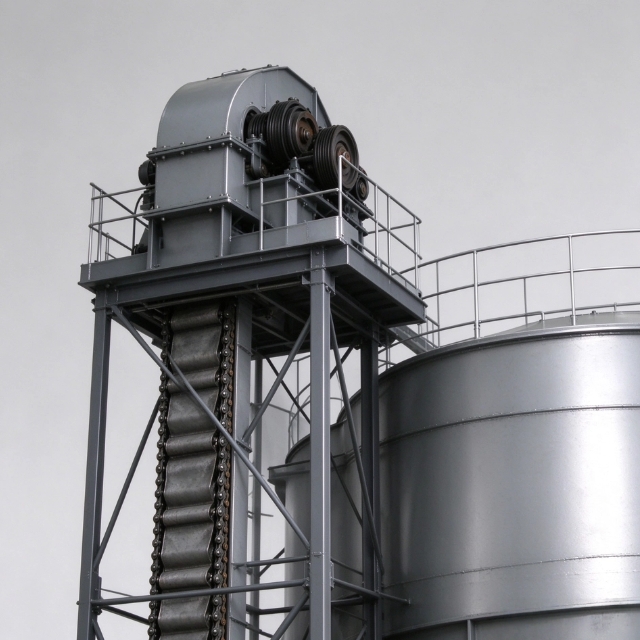
| 7 | How is material fed into the silo? | Standard feeding is by chain bucket elevator; pneumatic or screw conveying is also available by site condition. |
| 8 | What is the elevator capacity? | Project-matched, commonly 10–50 t/h, with lift height matching the silo height. |
| 9 | How is the finished material loaded out? | A telescopic spout at the bottom connects directly to the tanker inlet for sealed, dust-free loading. |
| 10 | Is the spout height adjustable? | Yes, it is motor-driven and the telescopic length can be customized to different vehicle types. |
| 11 | Is top dust collection needed? | A pulse bag dust collector is standard, filtering dust-laden air during filling to meet environmental compliance. |
| 12 | How do you know the silo level? | High and low level indicators show stock and interlock with feeding to avoid overflow and empty running. |
| 13 | What safety accessories are included? | Pressure relief valve, inspection manhole, caged ladder and guarded platforms are all standard. |
| 14 | Can leg height be customized? | Leg height is customized to local tanker clearance and loading space. |
| 15 | How is it installed on site? | The shell is delivered in sections, welded or bolted on site, and we can send technicians for supervision. |
| 16 | How long does installation take? | Typically 15 to 45 days depending on capacity; larger yards are quoted separately. |
| 17 | How is corrosion protection done? | Plates are sandblasted to Sa2.5, then coated with epoxy zinc-rich primer and topcoat for outdoor service. |
| 18 | Can the color be chosen? | Industrial gray is standard; RAL colors or your company VI can be applied. |
| 19 | What is the lead time? | Standard orders take 30 to 45 days; peak season and large orders are confirmed separately. |
| 20 | What trade terms are available? | FOB or CIF are both acceptable, with destination-clearance support. |
| 21 | What are the payment terms? | Normally 30% deposit and balance against copy of B/L; negotiable for long-term customers. |
| 22 | Can you export to our country? | Export-standard packing, customs documents, lashing and destination-port materials are all supported. |
| 23 | Do you have certificates? | The factory runs an ISO management system and can prepare documentation to support CE-type requirements for target markets. |
| 24 | Do you provide drawings? | After order confirmation we provide foundation condition drawings, general arrangement drawings and electrical interface drawings for design institutes. |
| 25 | Can we provide our own drawings? | Yes, OEM/ODM is supported; shell, legs and interfaces are modified to your drawings. |
| 26 | What is the warranty? | 12 months on the main structure; wear parts are supplied as needed. |
| 27 | What are the wear parts? | Dust filter bags, valve seals, elevator chain and buckets, all available for long-term supply. |
| 28 | Can you supply electrical control? | Local push-box, control cabinet or level-remote signals are optional; voltage is customized to destination. |
| 29 | Can you make a small pilot silo? | Yes, pilot silos of tens of cubic meters can be designed for trials and small-volume projects. |
| 30 | How do we get an accurate quotation? | Provide capacity, material type, quantity, trade term and destination port; we quote within 24 hours. |