

KCY Slag Conveyor Solutions
KCY provides slag conveyor systems for the collection, cooling, conveying, and downstream handling of slag and dry bottom ash generated during boiler combustion. Our equipment can be integrated with ash hoppers, isolation gates, crushing equipment, slag silos, and discharge devices to form a coordinated slag handling system.
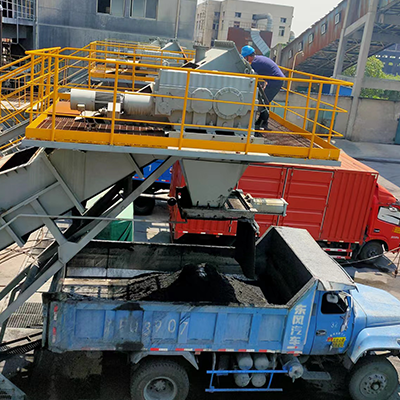
KCY Slag Conveyor Overview
A slag conveyor is installed within a boiler bottom ash handling system to move slag away from the furnace discharge area. Depending on the selected process, the equipment may also support slag cooling, water quenching, lifting, controlled discharge, or transfer to crushing and storage equipment.
KCY slag conveyors are primarily used for transporting slag and dry bottom ash generated by boiler combustion. Available configurations include dry slag conveyors, submerged scraper conveyors, and chain bucket conveyors. Each type has a different conveying structure and is selected according to the material condition, cooling method, installation route, and downstream process.
Instead of supplying only an individual conveyor, KCY can coordinate the conveyor with the surrounding slag handling equipment. This helps create a clearer material route from boiler discharge and initial collection to cooling, crushing, storage, and final discharge.
Product Center



Slag Conveyor Types
Dry Slag Conveyor
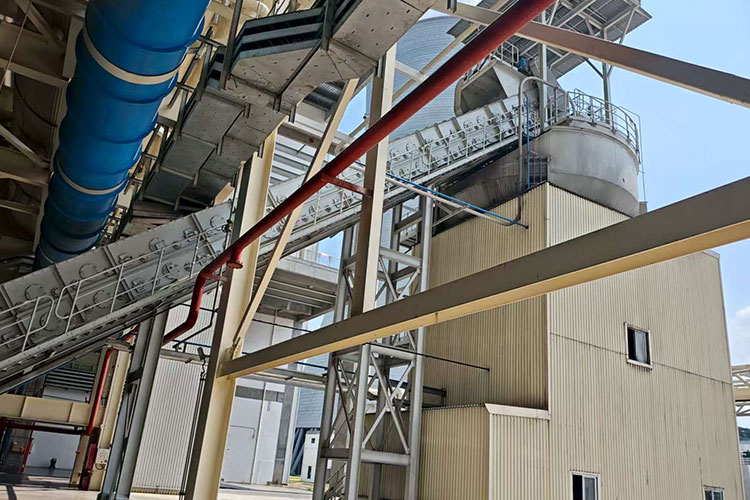
The dry slag conveyor is designed to collect, cool, and transport hot bottom slag without using water as the main cooling medium. High-temperature slag falls onto the conveyor belt and moves forward continuously at a controlled low speed.
Under the negative-pressure operating conditions of a pulverized coal boiler, a controlled amount of ambient air can enter the conveyor in the opposite direction to the slag movement. The air exchanges heat with the hot material before entering the furnace.
Submerged Scraper Conveyor
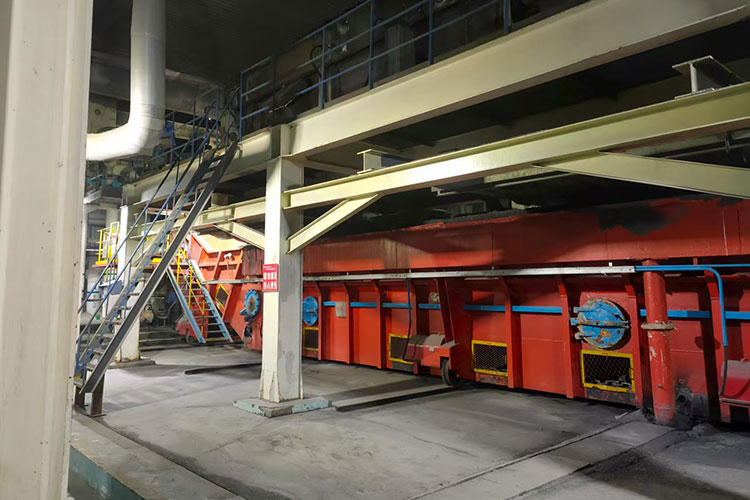
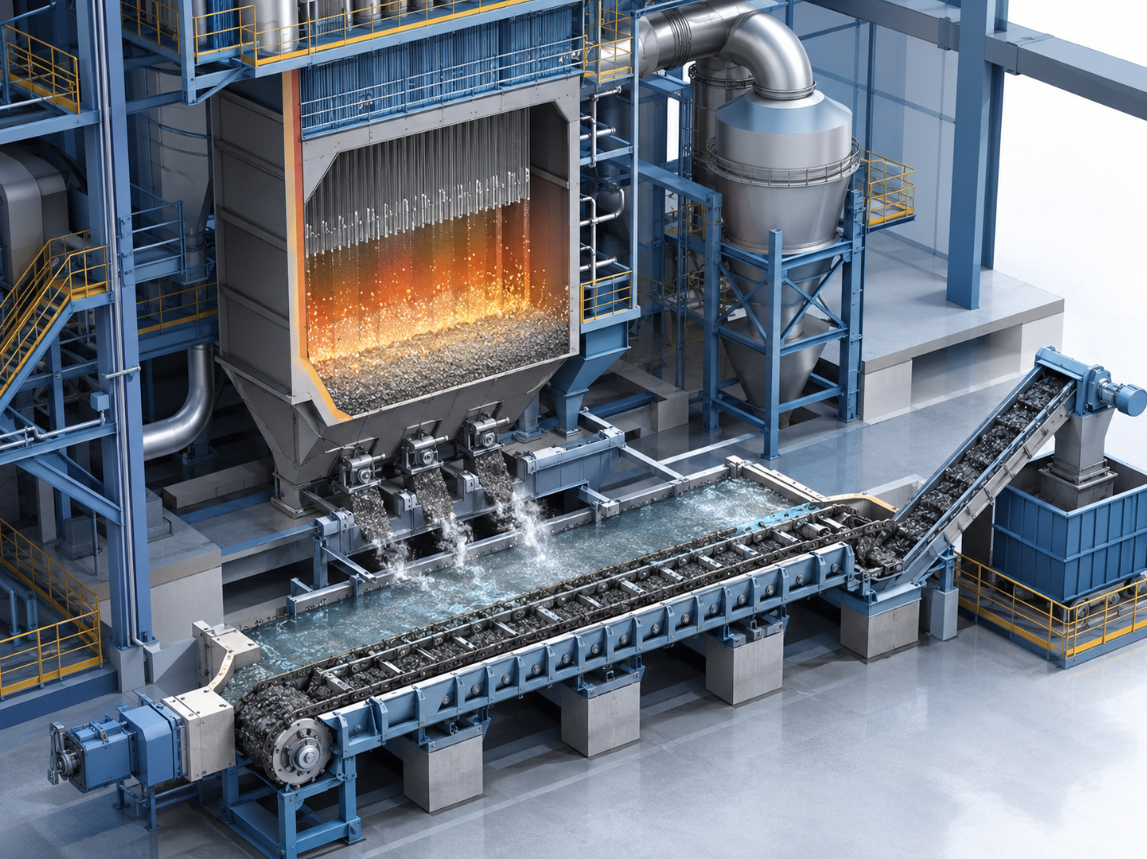
A submerged scraper conveyor transports bottom slag through a water-filled conveying section. Hot slag entering the equipment is cooled in water, while the scraper chain moves the settled material toward the discharge end.
This configuration is suitable for slag handling processes that use water quenching. During system planning, attention should be given to the boiler discharge connection, water level, conveying route, scraper-chain operation, material discharge, and connection with dewatering or storage equipment.
Chain Bucket Conveyor
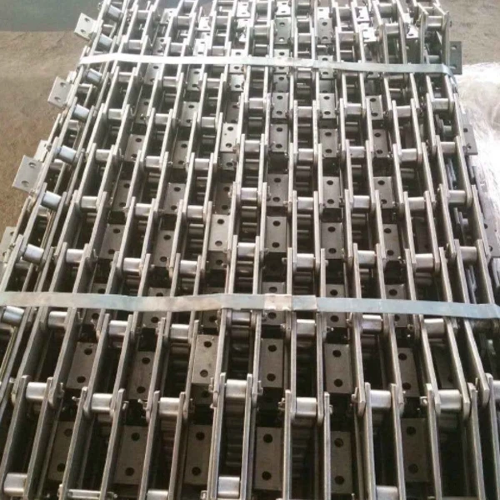
A chain bucket conveyor uses a continuously moving chain and connected buckets to transfer slag from a lower feeding point to a higher discharge position. It is especially useful when the material must be lifted within a limited installation area.
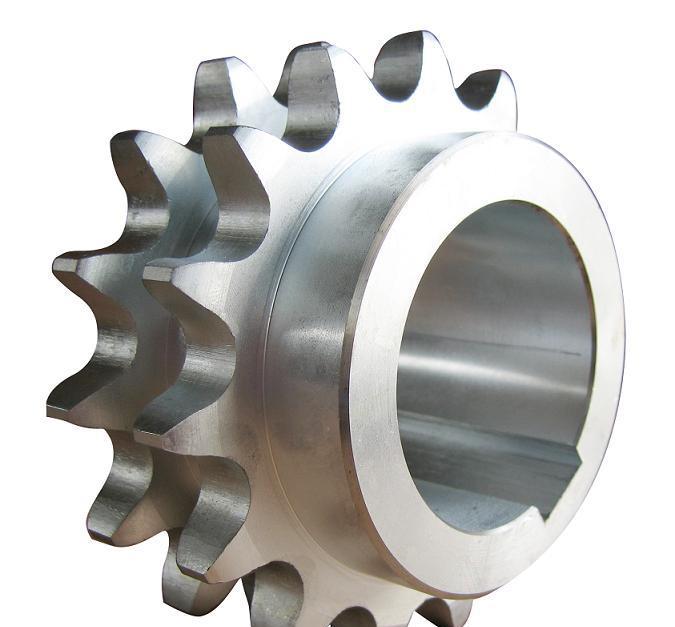
The conveyor configuration can be planned around the required lifting height, conveying capacity, material particle size, feeding arrangement, discharge direction, and available plant space. The bucket, chain, drive sprocket, driven sprocket, guide components, and tensioning mechanism must work together to maintain stable material transfer.
Slag Conveyor Structure
Conveying Components
The conveying components are in direct contact with the slag and are responsible for moving material through the equipment. Depending on the conveyor type, the system may include a stainless steel belt, conveyor chain, chain links, scrapers, chain buckets, upper rollers, lower rollers, and guide components.
Drive and Tensioning
The drive system supplies the force required to move the belt, chain, scrapers, or buckets. Typical related components include the drive unit, drive sprocket, driven sprocket, tail tensioning sprocket, shaft connection, and tensioning mechanism.
Feeding and Discharge
The feeding section controls how slag enters the conveyor. Ash hoppers, transition hoppers, isolation gates, and boiler bottom ash discharge devices can be arranged between the boiler and the conveying equipment.
Supports and Access
Steel structure supports carry the conveyor and maintain its designed position along the conveying route. Maintenance platforms, inspection openings, access ladders, protective covers, and equipment guards can be included according to the installation environment.
Slag Handling Process
Slag Collection
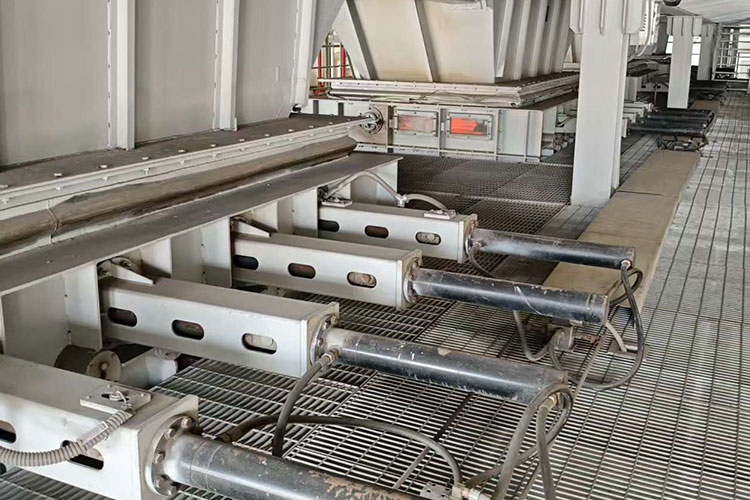
Slag discharged from the boiler first enters an ash hopper or transition hopper. The hopper collects the material and directs it toward the conveyor inlet. An isolation gate can be installed between the boiler discharge section and the conveyor to control the connection during operation or maintenance.
Large slag pieces may require preliminary size reduction before entering the main conveying and cooling process. The feeding arrangement should maintain a controlled material flow and reduce concentrated impact on the conveyor.
Cooling and Conveying
After entering the conveyor, the slag is moved continuously toward the discharge end. In a dry conveying system, ambient air flows in the opposite direction to the slag and exchanges heat with the hot material.
In a submerged scraper system, water cools the slag while the scraper chain transports the settled material. The selected conveying speed and cooling method should match the slag discharge rate, inlet temperature, conveyor length, and required downstream condition.
Crushing and Storage
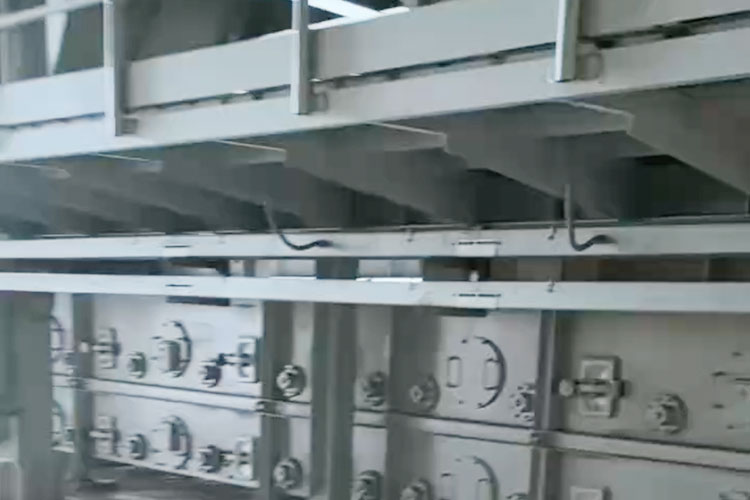
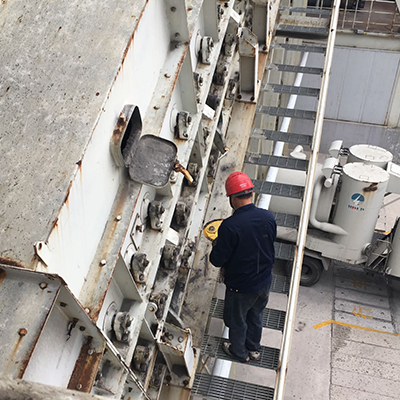
The cooled or conditioned slag can be transferred to a slag crusher when additional particle-size reduction is required. The processed material is then conveyed to a slag silo, dewatering silo, or another storage section.
A coordinated system should prevent the conveyor from discharging material faster than the downstream crusher or silo can receive it. Equipment capacity, outlet position, storage volume, and discharge schedule should therefore be considered together during system design.

Contact Us
Slag Conveyor Applications
Pulverized Coal Boilers
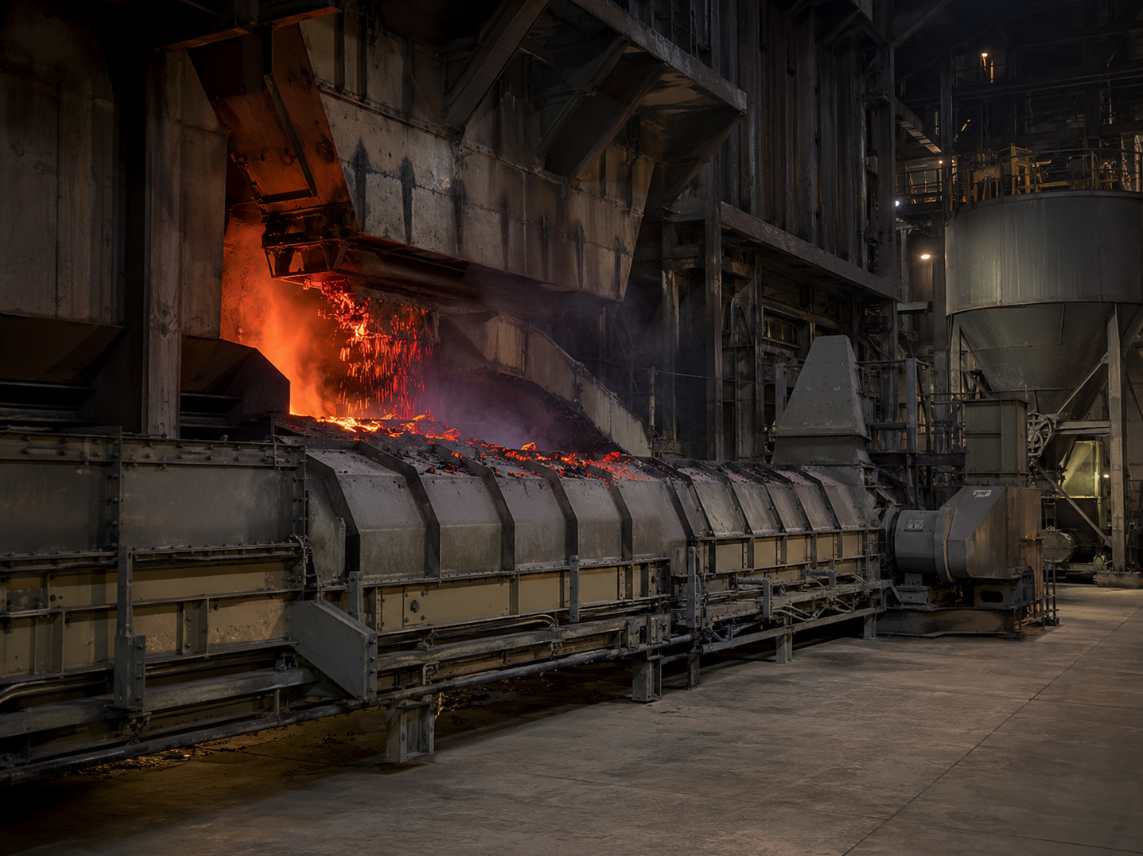
Pulverized coal boilers generate bottom slag that must be collected and transferred away from the furnace discharge area. A dry slag conveyor can move the hot material at a controlled low speed while ambient air flows through the equipment in the opposite direction. The system can then transfer the cooled slag to crushing and storage equipment. During design, the boiler’s negative-pressure condition, slag discharge rate, inlet temperature, conveyor length, air inlet arrangement, sealing requirements, and downstream equipment interfaces should be evaluated together.
CFB Boiler Plants
Circulating fluidized bed boiler projects may have different slag discharge points, particle-size conditions, material flow rates, and plant layouts. The slag conveyor should therefore be selected according to the actual discharge process rather than using a fixed arrangement. Depending on the project, the system may include scraper conveying, bucket lifting, crushing, cooling, or storage equipment. Wear-prone feeding areas, conveyor chains, scrapers, sprockets, and transfer points should remain accessible for inspection and scheduled maintenance.
Mining Slag Handling
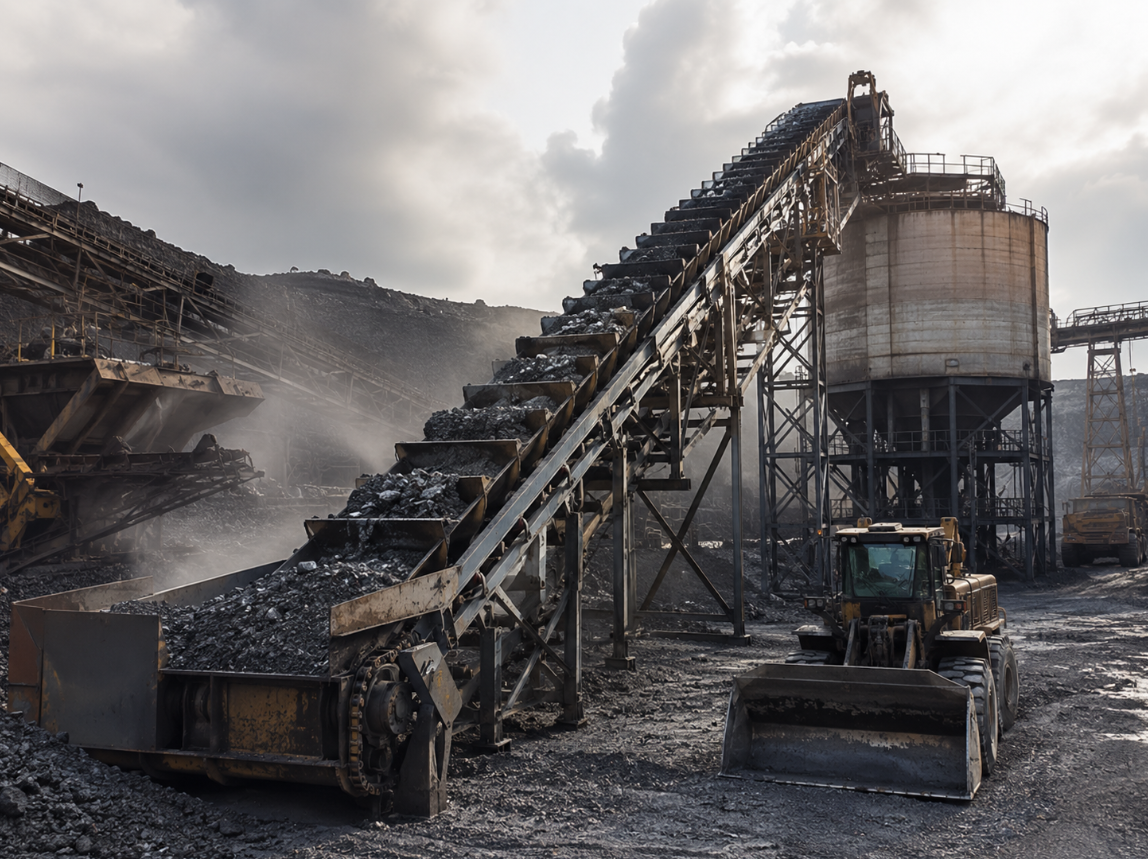
Mining and related industrial operations may require abrasive slag or process residue to be transferred between collection, crushing, elevation, and storage areas. Conveyor selection should consider bulk density, particle size, moisture, temperature, abrasiveness, conveying distance, lifting height, and discharge position. A chain bucket conveyor can be considered where material must be lifted within limited plant space, while other conveyor structures may be used for horizontal or inclined transfer. KCY can adapt the conveying route and equipment interfaces to the available site layout.

Slag Conveyor Benefits
Reliable Material Transfer
KCY slag conveyors are designed to create a continuous and controlled route for moving slag away from the boiler discharge area. Proper equipment selection can reduce uncontrolled material accumulation and improve coordination between collection, conveying, cooling, crushing, and storage processes.
Modular System Integration
The conveyor can be connected with ash hoppers, isolation gates, slag crushers, slag silos, dewatering equipment, and discharge devices. This modular approach allows the system layout to be adjusted according to existing plant conditions and project-specific processing requirements.
Heat-Handling Configuration
For hot bottom slag applications, the conveyor structure and operating process can be configured around the inlet temperature and required outlet condition. Dry slag conveyors combine low-speed material movement with controlled air cooling, while submerged systems use water to cool the incoming slag.
Practical Maintenance Access
Maintenance platforms, inspection points, adjustable tensioning devices, and accessible drive components can be incorporated into the system design. These arrangements make it easier to inspect chains, belts, scrapers, sprockets, buckets, rollers, and other components exposed to operating wear.

Contact Us
Need to connect a conveyor with an existing hopper, crusher, or slag silo? Send us your drawings and interface dimensions to discuss a customized system solution.
Slag Conveyor FAQs
Related Blogs
-
 Slag conveyor drive sprockets are essential in industrial applications, particularly in steelmaking and metal processing. These sprockets are crucial in conveying material, ensuring the efficient and reliable movement of slag and other byproducts. This article will discuss the significance of these
 -
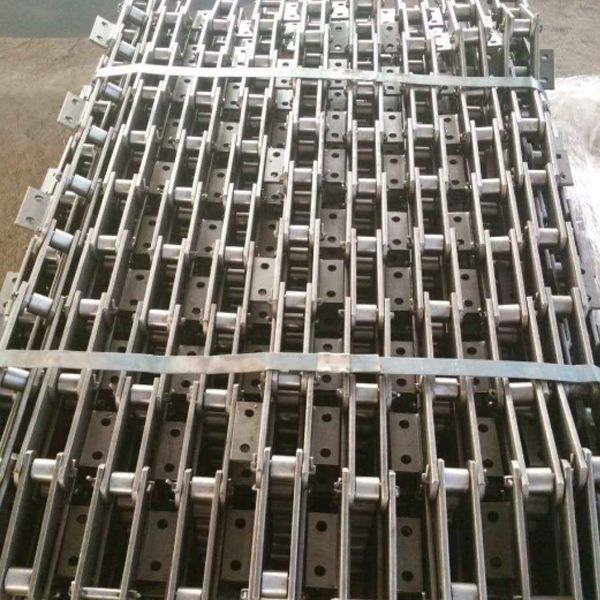 Slag transport is a challenging task that requires a robust and reliable conveyor chain to handle the heavy and abrasive nature of the material. Slag is the byproduct of metal smelting and can vary in size, shape, and density depending on the smelting process and the type of metal being produced. Ch
 -
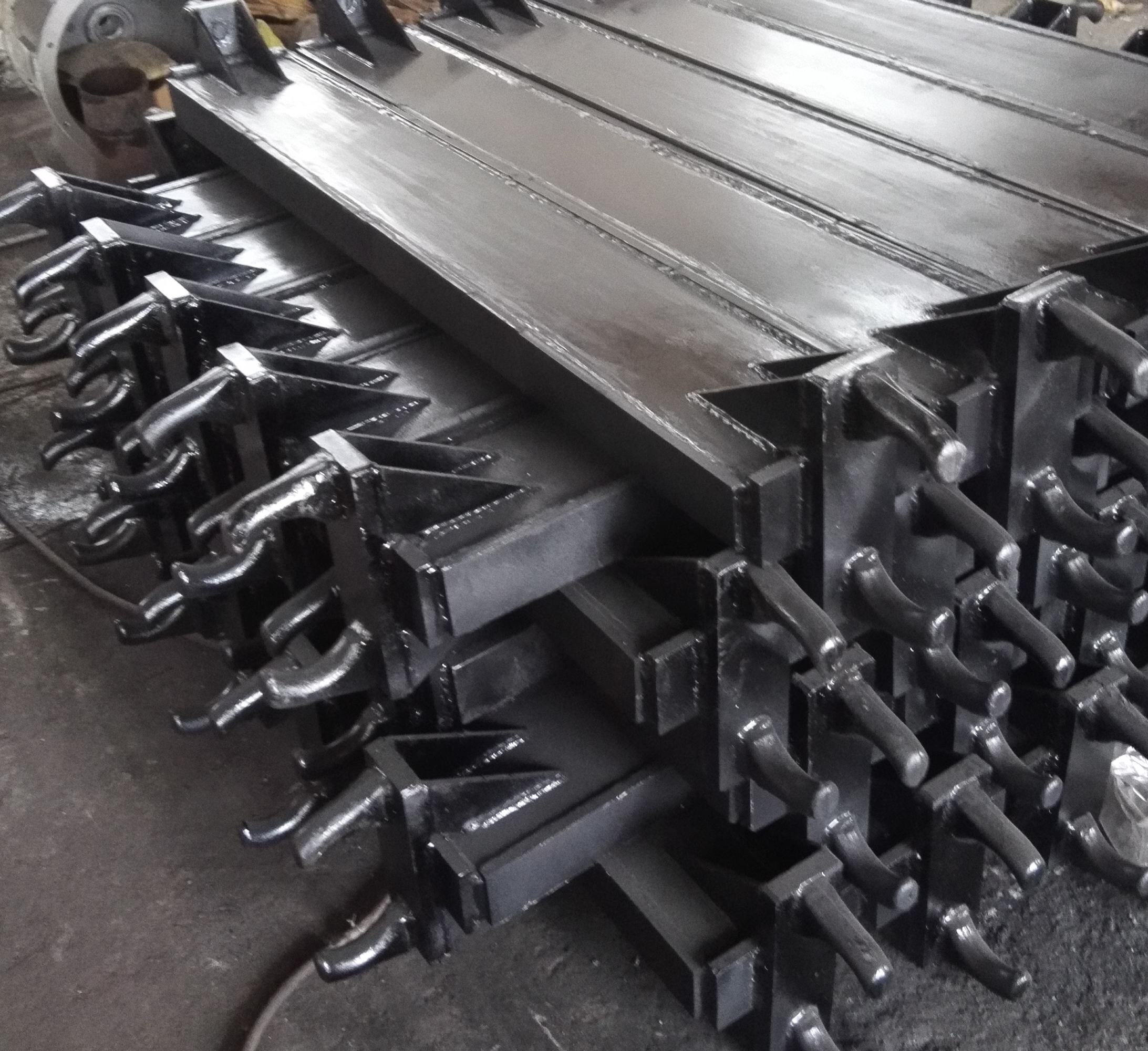 In the realm of industrial efficiency, the choice of conveyor systems can significantly impact operational productivity. This guide delves into the strategic selection of conveyor scrapers, focusing on their pivotal role in optimizing slag handling processes. Discover how the right scraper can enhan
 -
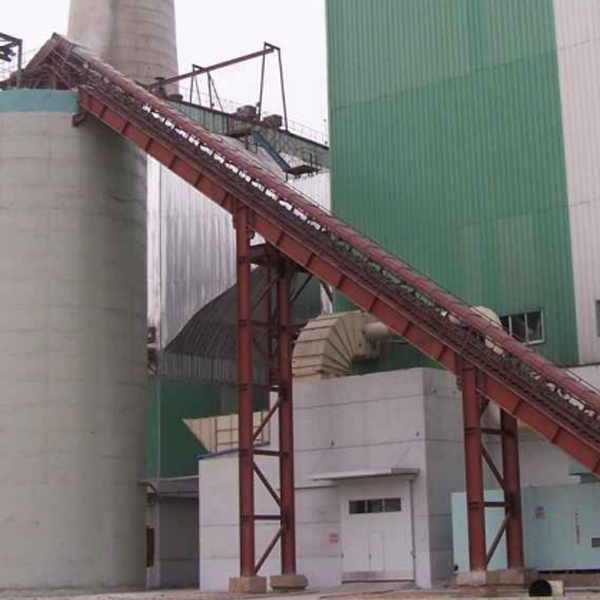 In the realm of industrial machinery, the chain bucket conveyor has emerged as a pivotal solution for the efficient handling of slag. This article delves into the intricacies of this technology, exploring its design, functionality, and the significant advancements it brings to slag transport. The e
Keep In Touch With Us
Share your slag characteristics, boiler information, required capacity, and plant layout with KCY. We will help you plan a practical slag conveyor configuration for your operating conditions.
Mob:+86-15895221943
E-mail:qdkcyhbdl@163.com
