





| Quantity: | |
|---|---|
| Product Overview |
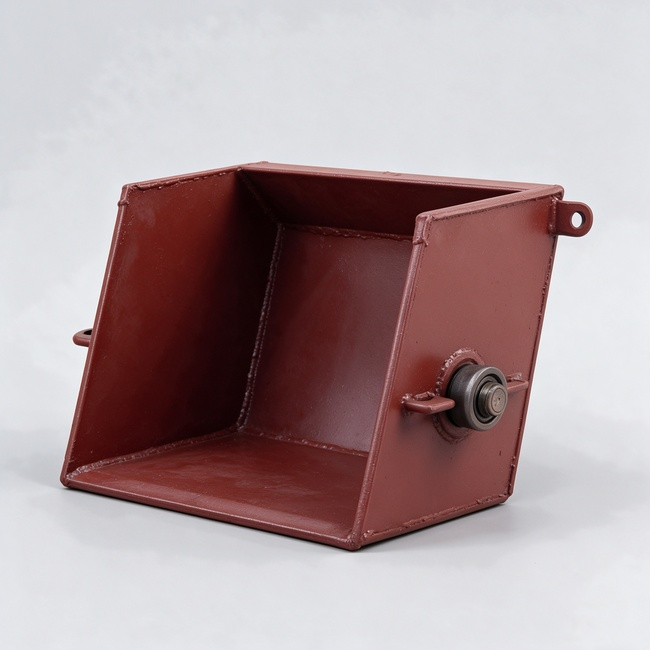
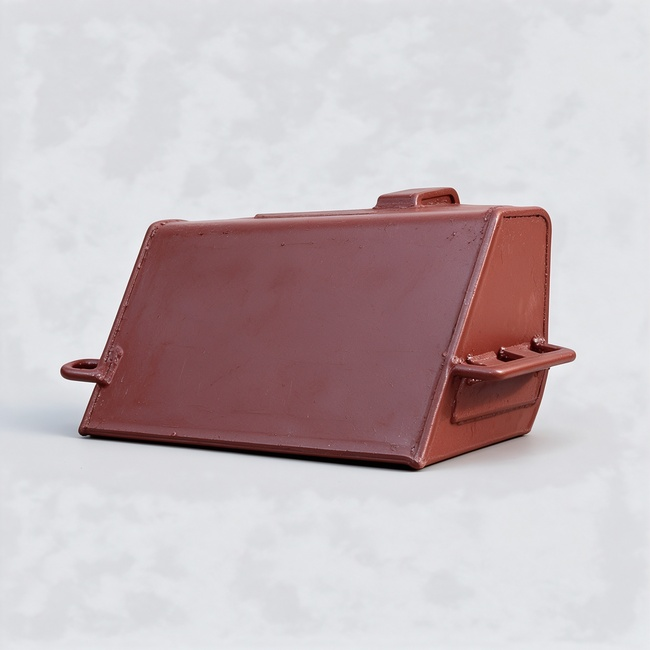
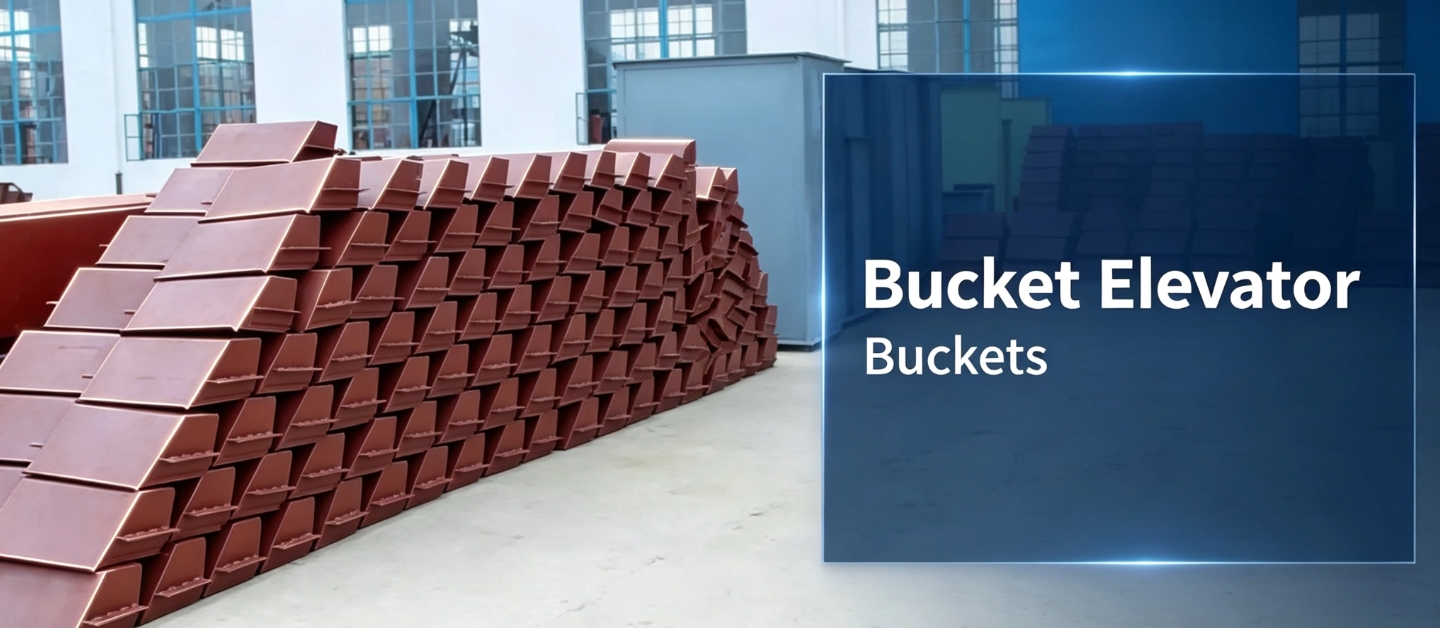
Slag and ash hopper is a core component of chain bucket slag conveyors and chain bucket elevators, specially engineered for loading and transferring bulk materials like slag, ash, and granular mixtures. Crafted from premium 16Mn wear-resistant steel plate with precision welding technology, this hopper is firmly connected to conveyor chains via high-strength bolts for stable operation. Designed to meet the rigorous demands of power generation, cement production, and mining industries, our slag and ash hopper delivers exceptional durability and adaptability in harsh, high-abrasion working environments. It accommodates a wide range of material types, including powders, granules, and small blocks, making it a versatile solution for diverse material handling needs. |
| Specification | Details |
| Material | 16Mn wear-resistant steel plate |
| Available Types | ZH (medium-depth), SH (deep) |
| Connection Method | Bolt connection to conveyor chain |
| Welding Standard | Industrial-grade precision welding, no welding defects |
| Customization | Support size customization based on conveyor model |
| Applicable Equipment | Chain bucket slag conveyor, chain bucket elevator |
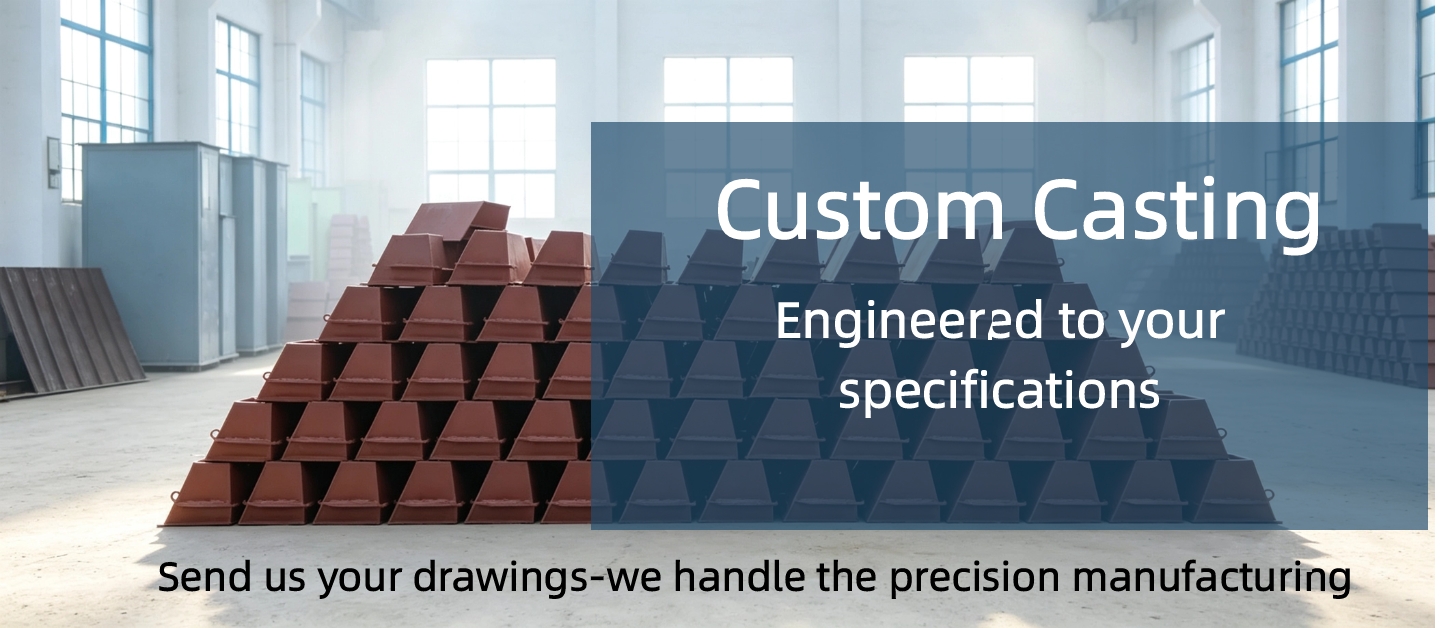
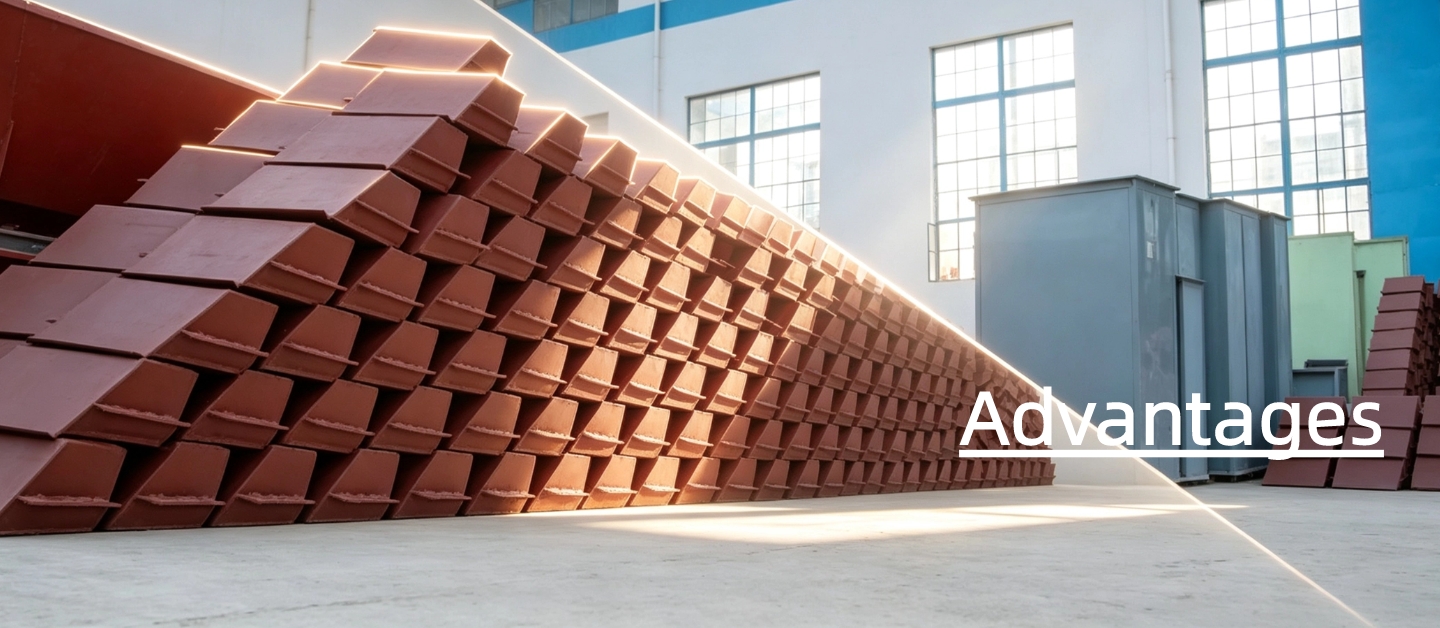
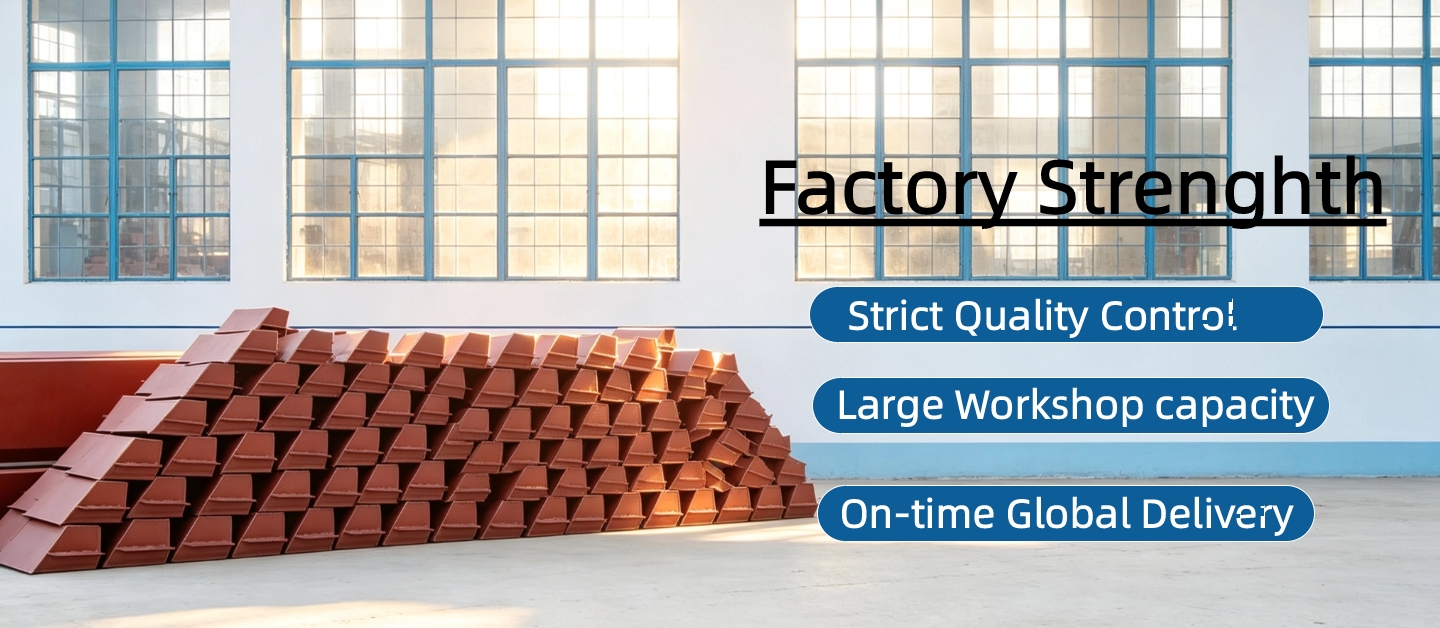
| 1 | The shell of every bucket elevator buckets unit is cut from one plate, so there is no front seam where fine powder can collect and start pitting. Units are measured against the approved drawing before they leave the bay. |
| 2 | Our steel elevator bucket lip is folded and welded, adding thickness exactly where abrasive material strikes hardest. The folded lip is checked with a straight edge after welding. |
| 3 | A welded bucket elevator buckets body holds its shape after years of clinker duty, while a pressed shell tends to curl at the discharge edge. We keep a photo record of each batch for traceability. |
| 4 | Holes are drilled on a jig, so a replacement bucket elevator spare parts bucket bolts straight onto the chain without reaming. Jig drilling also keeps bolt heads clear of the chain links. |
| 5 | We stock drawings for the common NE series bucket elevator widths, which shortens plate chain bucket elevator bucket lead time to about fifteen days. Standard widths are cut from plate already in the yard. |
| 6 | Every grain elevator buckets set is finished with a smooth internal weld, keeping broken kernels and residue low between batches. The smooth weld is polished before priming, not after. |
| 7 | For cement elevator buckets we specify plate by duty: six millimetre at the lip, four millimetre at the back, so chain load stays inside design limits. Plate thickness is verified with a calliper at the lip and back. |
| 8 | The clinker bucket elevator bucket corner weld is reinforced, because that corner is where cracking usually begins. Corner reinforcement is welded before the shell is closed. |
| 9 | A heavy duty elevator buckets body uses a thicker back plate, which resists bending when a bucket jams against the boot. Thicker back plates are offered down to a four millimetre minimum. |
| 10 | Our wear resistant elevator bucket is hardness checked at the lip, so the wear allowance is where the buyer expects it. Lip hardness is sampled from each heat number. |
| 11 | Vertical bucket elevator buckets are matched to chain pitch and pin spacing, so the complete set mounts on the head and boot wheels without casing changes. The set is trial fitted on a dummy chain before shipping. |
| 12 | More than sixty bucket elevator bucket sizes and profiles are held in house, covering most replacement demand without a new drawing. Profiles outside the stock list are drawn in two days. |
| 13 | Custom elevator buckets are quoted from real geometry, not from a catalogue guess, so the first article fits the first time. Geometry is taken from the sample, not from a general sketch. |
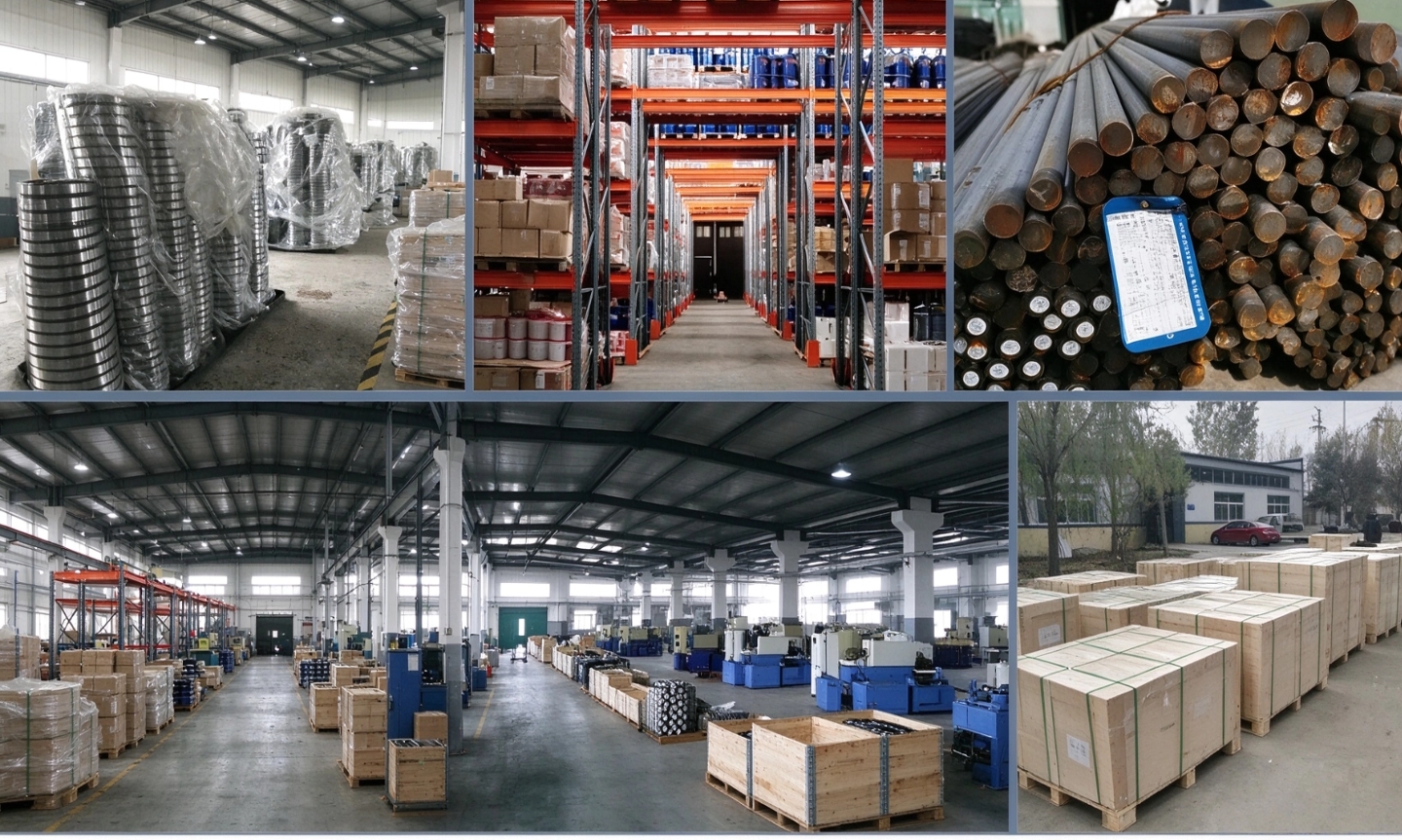
| 14 | As a bucket elevator bucket manufacturer we control cutting, folding, welding and priming in one workshop, so tolerances do not drift between batches. One workshop owns cutting, folding, welding and priming. |
| 15 | A deep bucket elevator profile lifts more per cycle without raising chain speed, which suits high capacity grain and fertilizer lines. Bucket height and angle are adjusted together for capacity. |
| 16 | Shallow bucket elevator buckets are offered for sticky or wet material that would otherwise bridge inside a deep shell. Shallow shells are polished inside on request. |
| 17 | Bucket elevator bucket price is quoted per piece and per ton, so buyers can compare landed cost instead of guessing from unit price. Quotations show piece price, ton price and freight per container. |
| 18 | Each anti rust primer bucket passes a dry film thickness check before packing, which is where wet silo pitting usually starts. Film thickness is logged by batch and kept for two years. |
| 19 | Carbon steel elevator bucket shells can be upgraded to wear plate at the lip for clinker and crushed stone, keeping the back plate economical. Wear plate can be added at the lip without changing the hole layout. |
| 20 | Thick plate elevator bucket walls from three to six millimetres let the buyer trade weight against impact strength for each duty. Plate grade is printed on the mill certificate shipped with the goods. |
| 21 | Sand aggregate elevator bucket corners are reinforced, where quarry buckets normally crack after a wet season. Reinforcement follows the path abrasive material actually takes. |
| 22 | Fertilizer elevator buckets use a primer that resists mild acidity, so the shell does not blister between maintenance windows. The primer system is chosen for the product, not for one standard colour. |
| 23 | Coal elevator buckets ship with matching chain pins and bolt kits, so the crew has a complete set on day one. Chain pins are matched to the bucket holes before packing. |
| 24 | Bucket elevator chain pin and bucket elevator bucket chain are sourced to the same tolerance as the bucket holes, avoiding assembly mismatch. Pin and chain arrive in the same box as the bucket set. |
| 25 | Every order includes bucket elevator bucket installation drawings, torque values and a spare parts list, so a planned stop is enough. Drawings are sent as PDF and DWG so the maintenance team can print them. |
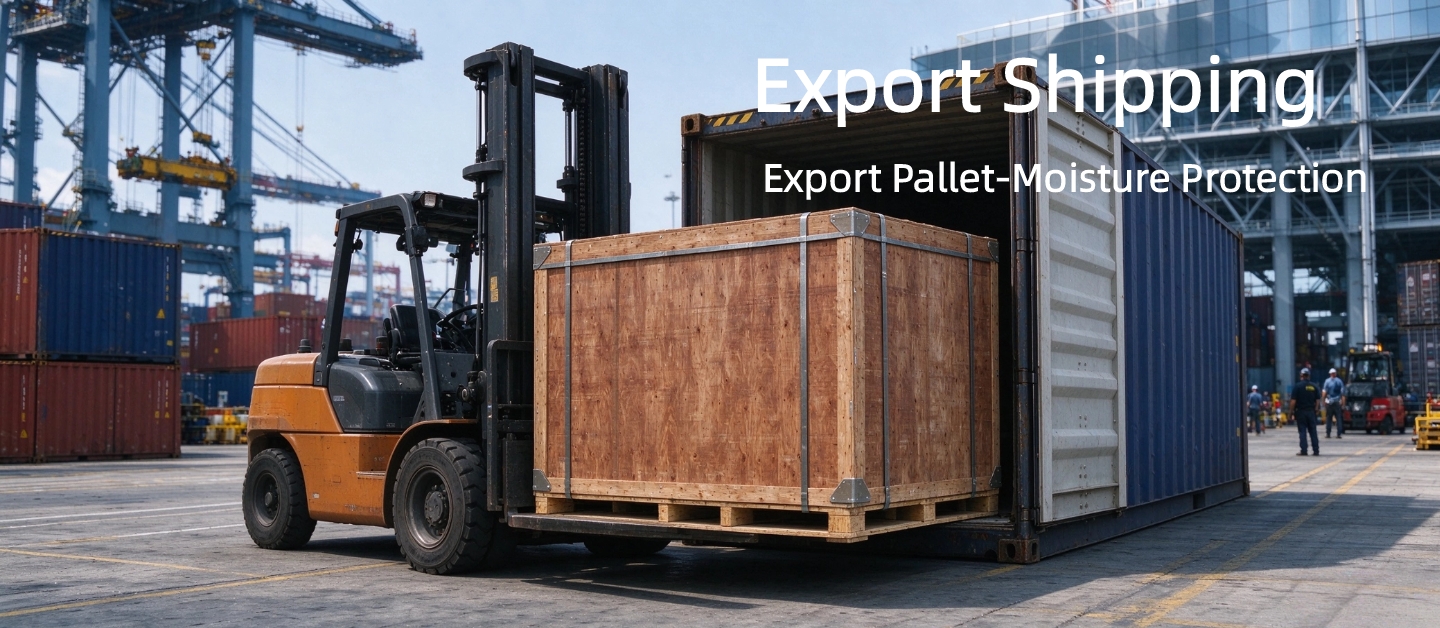
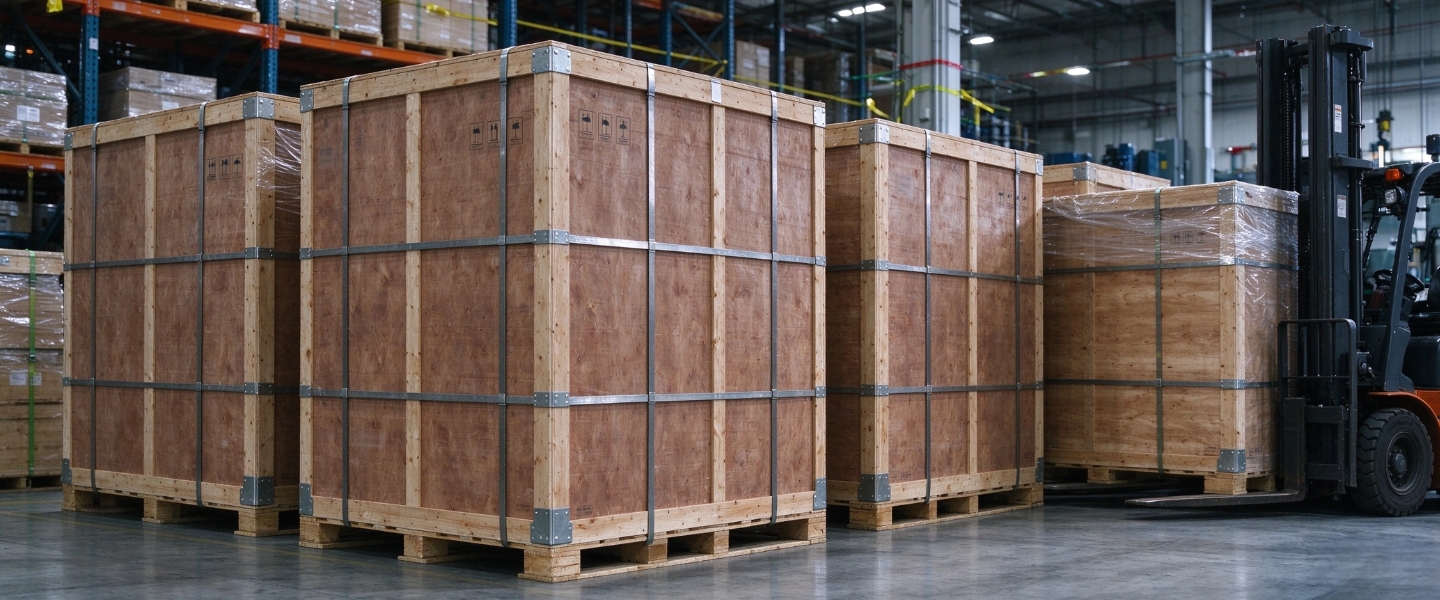
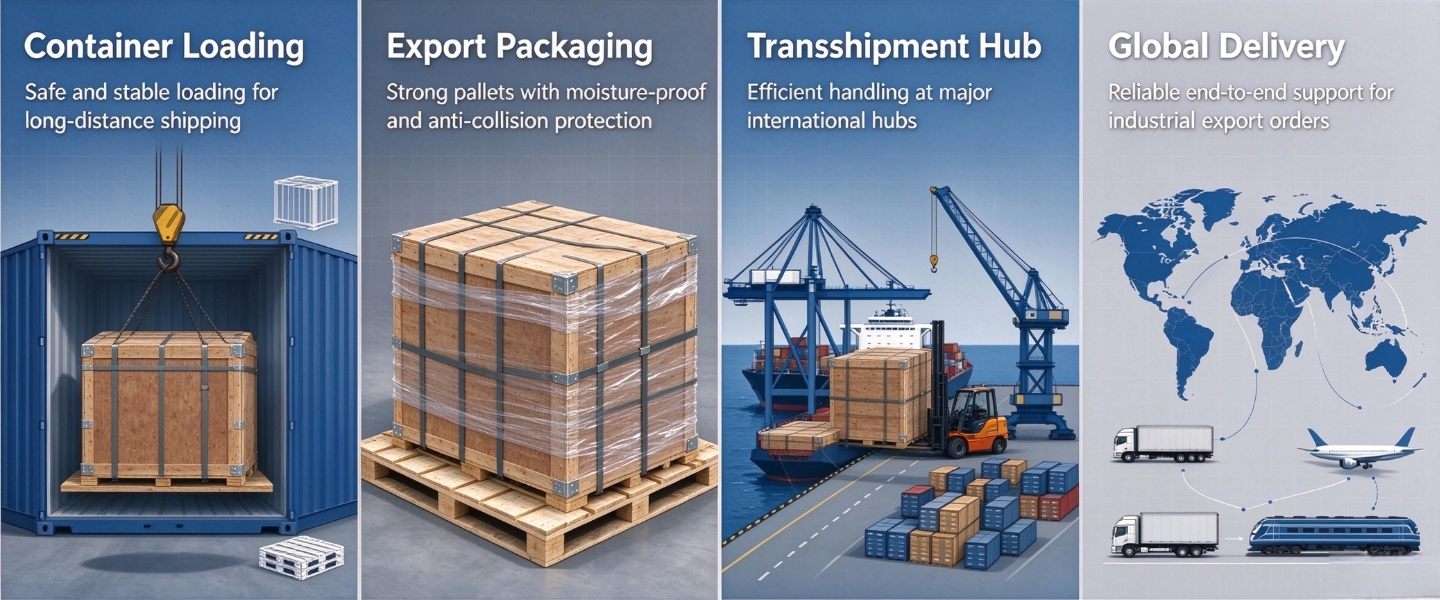
| 26 | Bulk material handling buckets are stacked and strapped on pallets, and a twenty foot container takes about nine hundred pieces. Stacking height is planned so a container loads without wasted space. |
| 27 | We photograph each batch before loading and send the images with the packing list, so the buyer sees the actual goods before the vessel sails. Batch photos are sent before the vessel sails, not after. |
| 28 | Samples of a wear resistant elevator bucket can be sent in about seven days, letting the buyer test fit before the container order. Samples travel by air in a padded case to reach the plant intact. |
| 29 | Stock sizes leave the workshop in about fifteen days, and custom elevator buckets in about twenty five days after drawing approval. Custom orders wait for drawing approval, not for verbal agreement. |
| 30 | Our team answers technical questions in English within one working day, covering fit, plate thickness and chain load for every bucket elevator buckets enquiry. Technical replies come in English within one working day, every day. |
FAQ
| 1 | What material are your bucket elevator buckets made of? | They are welded from Q235B or Q345B carbon steel plate, three to six millimetres thick, and finished with an anti rust primer. Stainless is available for corrosive product. |
| 2 | Can you match the buckets to my existing NE series machine? | Yes. Send the chain pitch, pin diameter and hole pattern, and we build the drawing to fit your NE series bucket elevator without modifying the casing. |
| 3 | What is the difference between a deep bucket and a shallow bucket? | A deep bucket elevator carries more per cycle for free flowing grain and fertilizer, while shallow bucket elevator buckets suit wet or sticky material that would bridge in a deep shell. |
| 4 | How thick should the plate be for clinker? | For hot clinker we normally suggest six millimetres at the lip and four at the back, with the lip folded and welded. Your实际 duty decides the final figure. |
| 5 | Do you supply the chain and pins as well? | Yes. Bucket elevator bucket chain, bucket elevator chain pin and bolt kits can ship with the buckets, so the set is complete on arrival. |
| 6 | Can I get one sample before ordering a container? | Yes. A single sample bucket can be made for fit testing, usually within seven days, and the sample cost is credited against the container order. |
| 7 | How long is the lead time for custom elevator buckets? | About twenty five days after drawing approval for custom elevator buckets, and about fifteen days for stock sizes. |
| 8 | Will the bucket holes line up with my old buckets? | If you send the old hole pattern or a photo with a ruler, we drill on a jig to the same pitch, so the replacement bolts straight on. |
| 9 | What is the anti rust primer thickness? | Normally sixty to eighty micrometres dry film, checked piece by piece before packing. A thicker system is available for outdoor storage. |
| 10 | Are the buckets suitable for food grade grain handling? | For grain we finish the internal weld smooth and use a primer that does not smell or flake, which keeps broken kernels and residue low. |
| 11 | How many buckets fit in one container? | A twenty foot container holds roughly nine hundred pieces of common sizes when stacked and strapped on pallets. |
| 12 | Can you produce to my drawing? | Yes, custom elevator buckets are our standard service. Send a sketch, a sample or a CAD file and we return a drawing for approval before cutting. |
| 13 | What colour can the buckets be painted? | Brick red is standard. Grey, blue or your RAL colour can be applied over the anti rust primer on request. |
| 14 | Do you reinforce the corners? | Yes. The corner weld on heavy duty elevator buckets and sand aggregate elevator bucket bodies is reinforced, because cracks usually start there. |
| 15 | What tolerance do you hold on hole pitch? | Plus or minus one millimetre on pitch and two millimetres on the diagonal, drilled on a jig so the bucket does not fight the chain. |
| 16 | Is the bucket price per piece or per ton? | We quote both, because bucket elevator bucket price per ton is what most importers use to compare landed cost across suppliers. |
| 17 | Can you supply spare buckets for an old machine with no drawing? | Yes. Send photos with a ruler beside the bucket and we reconstruct the geometry, then confirm with a sample before the batch. |
| 18 | What packing do you use for export? | Neutral export packing: stacked, strapped on fumigated pallets, no third party marks, with a packing list and photos before loading. |
| 19 | Do you offer installation support? | Every order ships with bucket elevator bucket installation drawings, torque values and a spare parts list, and we answer fit questions by email. |
| 20 | What is the minimum order quantity? | One pallet for stock sizes, and a single sample bucket is possible for fit testing. |
| 21 | How do you control welding quality? | Welds are continuous fillet on both sides with visual inspection and a hammer test on the lip, and critical corners get an extra pass. |
| 22 | Can buckets be used in a vertical bucket elevator with high speed? | Yes, provided the plate and lip are sized for the duty; for high speed we recommend a folded lip and a heavier back plate. |
| 23 | Do you have CE or ISO certificates? | We can provide mill certificates for the steel and our workshop quality records. Certification required for your market should be confirmed before ordering. |
| 24 | What payment terms do you accept? | Thirty percent deposit with the balance against the bill of lading copy is our standard term for new buyers; terms can be discussed for repeat orders. |
| 25 | How do you handle a quality claim? | Send photos of the failed part with the batch number; we replace or credit after review, and we record the cause in the next production batch. |
| 26 | Can you print our logo on the bucket? | Neutral packing is default; a customer logo can be stencilled on request, but third party marks are never applied. |
| 27 | What is the working temperature limit? | Standard primer is rated to about one hundred and twenty degrees Celsius; for higher temperature we switch to a heat resistant coating. |
| 28 | Do you supply shallow buckets for wet sand? | Yes, shallow bucket elevator buckets are the usual choice for wet sand and clay, and we can add a polished inner surface to reduce sticking. |
| 29 | How are the buckets tested before shipment? | Each batch is checked for hole pattern, diagonal, stack fit and primer thickness, and photographed before container loading. |
| 30 | Can I visit the workshop before ordering? | Yes, factory visits are welcome; we can also arrange a video walkthrough of the cutting, welding and priming lines. |


