
Views: 0 Author: Site Editor Publish Time: 2026-08-28 Origin: Site


Plant managers face immense operational pressure today. You must balance high-capacity ash handling with strict environmental regulations. Severe water scarcity complicates these industrial processes further. Regulatory frameworks like Effluent Limitation Guidelines force changes. They require facilities to rethink legacy waste management completely. Choosing the right material handling system impacts your entire operation. It dictates boiler downtime intervals and overall plant thermal efficiency. It also heavily influences your long-term operating costs. Selecting an outdated technology can trap a facility in endless compliance struggles. This article offers an objective, engineering-focused evaluation. Procurement and operations teams will learn how to select the correct High Performance Slag Conveyor for their specific facility architecture. We break down the mechanics, risks, and economic realities of different handling systems. You will understand how to optimize your plant for future compliance.
Compliance is the primary catalyst: The industry-wide shift toward dry slag conveyors is largely driven by strict zero-liquid discharge (ZLD) regulations and water treatment costs.
CAPEX vs. OPEX inversion: Submerged systems generally require lower initial capital but incur higher ongoing costs for water treatment and corrosion-related maintenance; dry systems present higher CAPEX but recover costs through thermal energy efficiency and lower water use.
Application dictates the technology: Submerged systems remain viable for facilities with legacy infrastructure and ample water rights, whereas dry cooling conveyors are increasingly standard for modern power generation and steel plants optimizing for heat recovery.
Integration risk: Retrofitting from wet to dry requires evaluating existing boiler clearances, structural load limits, and outage schedule constraints.
Regulatory pressure is actively reshaping industrial waste management. Facilities face severe legal and financial risks today. Traditional wet bottom ash handling creates significant compliance liabilities. Wastewater discharge often contains trace heavy metals. Leaching from these ash ponds triggers strict environmental penalties. You can no longer ignore these growing environmental liabilities. Modern plants must adapt to survive tightening federal and local guidelines. Eliminating wastewater discharge protects your company from future litigation and fines.
Beyond compliance, we must examine plant thermal efficiency closely. Quenching hot slag in water creates a massive lost opportunity. You lose recoverable thermal energy instantly upon contact. Modern facilities aim to capture this energy instead. Pushing pre-heated air back into the boiler drives substantial fuel savings. Every unit of recovered heat reduces your primary fuel consumption. Over a decade, these thermal savings compound significantly. Upgrading your systems turns a waste product into an energy asset.
Finally, abrasive slag destroys moving mechanical components rapidly. Bottom ash degrades traditional chains and flights constantly. Frequent mechanical failures lead to unplanned downtime. Unscheduled outages cost thousands of dollars per hour. You lose critical generation or production capacity during these events. The right Slag Conveyor minimizes this severe abrasive wear. Proper material selection ensures continuous operation and protects your bottom line. Managers must prioritize equipment longevity to maintain profitable operations.
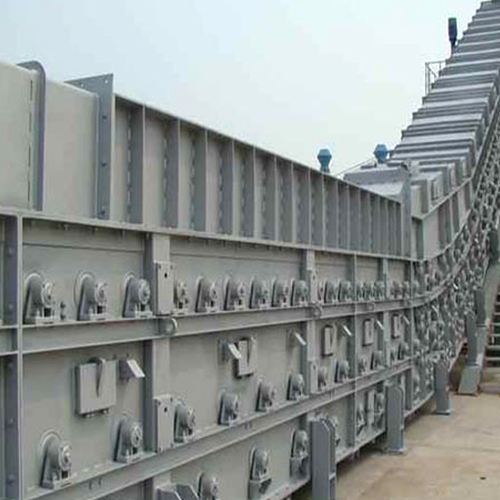
A submerged system relies on a rugged water-filled trough. It catches and quenches hot slag falling from the furnace. The rapid cooling shatters the slag into small, manageable pieces. A continuous loop of submerged scrapers then drags this material. The system pulls the ash up an incline for dewatering. This incline allows excess water to drain back into the trough. The conveyor then discharges the damp ash into a storage bin.
These systems offer several well-documented primary advantages. They remain popular in older industrial facilities for good reason.
They provide highly effective, inherent dust suppression. The water bath captures all airborne particulates instantly.
They handle massive, sudden slag falls safely. The water absorbs the intense physical shock and thermal spikes.
They feature a relatively simple mechanical footprint. This simplicity results in a lower initial equipment purchase cost.
They require less sophisticated electronic control systems. Basic water level sensors and motor starters often suffice.
However, you must view these systems through a highly skeptical lens. Critical operational limitations exist beneath the surface. They demand high, continuous water consumption daily. Mandatory wastewater treatment creates a permanent operational cost drain. Furthermore, moving components suffer accelerated corrosion over time. Chains and flights operate in a highly acidic, abrasive slurry. This harsh environment forces frequent replacements of wear parts. You also accept the complete loss of valuable thermal energy. Water quenching wastes heat that could otherwise improve boiler efficiency.
Modern facilities increasingly transition to dry ash handling methods. The mechanism relies entirely on controlled ambient air. Draft fans pull air across a mechanically vibrating pan. Some designs use a specialized, heat-resistant steel belt instead. This ambient air cools the hot slag gradually as it travels. The system then transfers this newly heated air upward. It flows directly back into the primary combustion process.
This dry approach offers significant, forward-looking primary advantages. It aligns perfectly with modern sustainability and efficiency goals.
It achieves zero water consumption during the cooling phase. You eliminate wastewater treatment liabilities entirely, ensuring permanent regulatory compliance.
It improves overall plant thermal efficiency dramatically. The recovered heat acts as pre-heated combustion air.
It produces a highly saleable industrial byproduct. Cement and construction industries prefer dry bottom ash for manufacturing.
It prevents the formation of highly acidic corrosive slurries. This extends the lifespan of the primary steel conveying surfaces.
Still, engineers must evaluate the critical limitations carefully. A dry transition requires substantially higher initial capital investment. You may also need integrated grinding equipment. Large clinkers must be crushed to ensure even air cooling. These systems demand a significantly larger physical footprint. Ensuring adequate vertical clearance under the boiler poses a structural challenge. Finally, they remain susceptible to fugitive dust emissions. If technicians do not calibrate the negative draft seals perfectly, dust escapes.
Choosing between wet and dry systems requires strict financial evaluation. Long-term cost analysis goes far beyond the initial purchase price. You must compare upfront installation capital against lifecycle maintenance. Factor in daily utility expenses like water usage and electricity. Dry systems cost significantly more during the initial construction phase. However, they slash ongoing utility and compliance expenses over their lifespan. Evaluating these variables accurately requires cross-departmental collaboration.
Industry-specific variables also dictate your final technology choice heavily. Power plants burning coal or biomass focus on continuous bottom ash. Boiler efficiency and shifting environmental compliance drive their operational decisions. They strongly prefer dry systems to eliminate water usage. Conversely, steel and metallurgical plants face different challenges entirely. They prioritize handling extreme temperatures and sudden molten drops. Hot slag line guides require extreme physical abrasion resistance. Wet systems sometimes handle these violent, heavy shock loads better.
Space and structural constraints often make or break a retrofit project. You must evaluate your existing plant architecture very carefully. Measure the current pit depth and available clearance height. Determine if a dry retrofit is physically viable. Sometimes, massive structural engineering changes are necessary to fit dry belts. Reliability and component wear also differ drastically between the two. Submerged chains degrade faster due to the acidic water. Dry steel belts resist chemical wear but face intense thermal stress.
Slag Conveyor Technology Comparison Chart
Evaluation Criteria | Submerged (Wet) Systems | Dry Cooling Systems |
|---|---|---|
Initial Capital Cost | Generally lower due to simpler mechanical design. | Significantly higher due to seals and cooling fans. |
Operating Costs (Utility) | High ongoing costs for water and wastewater treatment. | Low utility costs; offsets fuel via heat recovery. |
Environmental Compliance | High risk of discharge penalties; requires active monitoring. | Zero Liquid Discharge (ZLD) compliant by default. |
Component Wear Profile | High chemical corrosion and wet abrasive wear. | High thermal stress but low chemical corrosion. |
Byproduct Value | Wet ash is heavy, difficult to transport, and less valuable. | Dry ash is lightweight and highly sought by cement plants. |
Replacing a legacy ash handling system introduces significant project risk. Facility managers must control these risks proactively to prevent delays. Transitioning requires careful coordination between mechanical, electrical, and civil engineering teams. You cannot afford unexpected discoveries once the boiler is offline.
Here are the critical steps to manage the transition successfully:
Calculate Retrofit Downtime: Conduct a transparent assessment of the required outage time. Transitioning a plant from a wet system requires extensive boiler modification. Schedule this work exclusively during a major, pre-planned plant outage.
Execute Control System Integration: You must update PLC and software systems thoroughly. Dry systems require advanced monitoring for air drafts and cooling rates. These sensors replace the simple water level monitors of wet troughs.
Implement Operator Training: Maintenance protocols will shift completely after the installation. Operators move away from managing water chemistry and dredging ponds. They must learn to monitor mechanical tension and airflow dynamics instead.
Verify Structural Tolerances: Ensure the existing foundation can support the new machinery. Dry conveyors often weigh more due to heavy-duty sealing enclosures. Reinforce concrete footings before the new equipment arrives on site.
Careful planning prevents unexpected delays and cost overruns. A poorly integrated system causes fugitive dust and boiler pressure imbalances. Engage experienced mechanical engineers early in the design phase. They will identify potential physical clashes before fabrication begins. Strong project management ensures a smooth, profitable transition for your facility.
The decision between submerged and dry systems defines your operational future. Submerged systems offer a reliable, dust-free legacy solution for older plants. However, they carry steep environmental compliance risks and water treatment liabilities. Conversely, dry systems represent a necessary, highly strategic investment. They fit modern plants prioritizing long-term compliance, thermal efficiency, and water conservation. They transform a waste liability into a recoverable energy asset.
Take action immediately to protect your plant's future profitability. Request a comprehensive site audit from qualified material handling experts today. Engage a specialized engineering team to conduct a full feasibility study. They will determine the precise dimensional requirements for your specific boiler. Start planning your transition before strict regulatory deadlines force your hand. Proactive upgrades secure your facility's operational license and competitive market edge.
A: Dry systems generally require more vertical and horizontal clearance than submerged troughs. You need adequate room for cooling belts and transition chutes. However, custom engineering options exist for tight footprints. Engineers can design low-profile vibrating conveyors. They can also redirect material flow using multi-stage belts to fit restricted architectural spaces.
A: Yes, you can modify submerged systems using closed-loop water recirculation. This prevents external wastewater discharge. However, this approach requires highly expensive filtration, chemical treatment, and cooling equipment. The ongoing maintenance costs for these auxiliary closed-loop systems often exceed the long-term savings, making dry handling more economical.
A: A typical ROI period ranges from three to five years. This timeline depends on local water costs, environmental compliance fines, and fuel prices. You recover costs through eliminated wastewater treatment and reduced component corrosion. You also gain significant heat recovery efficiencies that actively lower your boiler fuel consumption.
A: Exceptionally large clinkers can jam standard cooling belts. To prevent this, facilities integrate submerged grind components or dry impact crushers. These robust crushing mechanisms sit directly beneath the furnace discharge point. They break massive slag formations into uniform, manageable pieces prior to the material hitting the main conveying line.

