
Views: 0 Author: Site Editor Publish Time: 2026-07-29 Origin: Site


Power generation facilities face extreme operational realities when handling boiler slag and bottom ash. These materials are highly abrasive, dense, and drop from the furnace at extreme temperatures. Using inadequate valving in ash hoppers leads directly to vacuum loss in pneumatic transport lines, slurry leakage, catastrophic seal degradation, and unplanned plant downtime from jammed mechanisms. You cannot rely on standard commodity valves to hold back a static column of wet, abrasive clinkers. To maintain system pressure boundaries and safely regulate severe-service material flow, plants require purpose-built pneumatic isolation gates. These units provide the reliable bi-directional shutoff necessary to keep boilers online and ash conveying systems functioning without constant manual intervention.
Operational Reliability: High-Performance Pneumatic Isolation Gates are engineered to shear through standing columns of abrasive bottom ash, slag, and clinkers without jamming or compromising the seal.
System Integrity: Maintaining a strict vacuum or high-pressure boundary is critical for pneumatic and hydraulic ash conveying; specialized guided shear gate designs prevent the leakage common in standard knife gate valves.
Evaluation Criteria: Selecting an effective isolation gate requires analyzing material hardness, actuation force, ANSI pressure ratings, self-cleaning capabilities, and thermal tolerance.
Ash handling systems generally utilize either hydraulic or pneumatic conveying methods. Each presents distinct mechanical challenges for flow control equipment. Hydraulic systems transport wet ash using water-impounded hoppers, high-pressure jet pumps, and sluice lines. Pneumatic systems rely on vacuum-pull mechanisms for dry transport. The success criteria for valving vary significantly between these two environments.
In hydraulic setups, the primary function of the gate is isolating high-pressure slurry lines. This frequently requires ANSI Class 150 or 285 psi ratings to withstand hydraulic surges and the heavy weight of the water-ash mixture. In pneumatic systems, the gate must maintain strict vacuum boundaries. Any loss of vacuum drops the transport velocity inside the pipe. When velocity drops, heavy ash particles fall out of suspension, leading to immediate pipeline plugging and severe operational disruptions.
System Type | Primary Transport Medium | Key Valve Requirement | Failure Consequence |
|---|---|---|---|
Hydraulic Conveying | High-pressure water slurry | High pressure rating (ANSI Class 150/285), watertight seal | Slurry leakage, environmental hazards, pump cavitation |
Pneumatic Conveying | Vacuum or pressurized air | Bubble-tight bi-directional shutoff, vacuum integrity | Loss of transport velocity, severe pipeline plugging |
The environment directly beneath the furnace floor solid base represents an extreme operational zone. Here, molten ash passes through an orifice into water-filled quench hoppers. Gates situated at this interface face intense thermal shock and constant exposure to rising steam. The temperature differential between the molten slag dropping from the boiler and the quench water below creates a highly volatile atmosphere.
These units must withstand extreme thermal gradients, falling molten slag, and corrosive water chemistry. Standard valves warp or bind under these conditions. When the metal warps, the seal is compromised, halting ash removal. Specialized units are designed with thermal tolerances that prevent metal warping and seal degradation in this critical zone, ensuring the gate can cycle open and closed regardless of the temperature fluctuations.
Quenched bottom ash and crystalline slag possess a high specific gravity and severe abrasiveness. These thermal properties create a highly destructive flow medium. As these materials pass through flow control mechanisms, they cause rapid wear, severe scaling, and mechanical binding. The jagged, glass-like structure of quenched slag acts like grinding media against internal valve components.
Standard valves lack the structural integrity to handle these material realities. The abrasive nature of the ash quickly erodes standard gate blades and seats, leading to incomplete closure and continuous leakage. Addressing these physical challenges requires specialized metallurgy and robust mechanical designs.
Abrasive Wear: Crystalline slag physically machines away softer metals on standard valve seats during every actuation cycle.
Mechanical Binding: Large clinkers get trapped in the seat pockets of standard valves, preventing the blade from fully closing.
Thermal Distortion: Rapid temperature changes cause standard cast bodies to warp, permanently destroying the sealing surface alignment.
Corrosion: The acidic nature of quench water attacks standard carbon steel components, leading to rapid structural degradation.
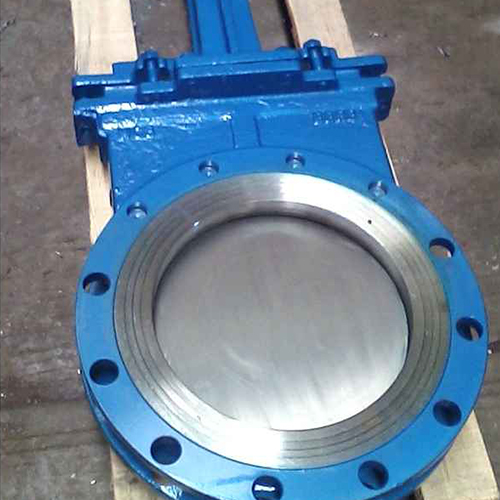
Effectively regulating bottom ash requires immense actuation force. Pneumatic cylinders provide the high-thrust actuation necessary to drive the gate blade through dense, static columns of ash and clinkers. This force ensures the gate can close completely, even when the hopper is full of settled material. You cannot rely on manual handwheels or undersized electric actuators to push through a solid wall of wet slag.
Guided shear gates offer significant advantages over standard valves. The blade is mechanically guided to slice directly through clinkers, preventing blade deflection. This design stops material from packing at the bottom of the stroke. When a standard knife gate tries to close on a clinker, the blade often deflects sideways, ruining the packing and failing to seal. A guided shear design keeps the blade perfectly aligned, ensuring a consistent and reliable seal during every actuation cycle.
Sustaining high vacuum is necessary for pulling ash through dry transport lines. These specialized units are engineered to maintain these critical boundaries. Even minor packing leaks can drop conveying velocity, leading to catastrophic pipeline plugging and causing the ash line to back up into the hopper.
To prevent this, high-performance units utilize bubble-tight, bi-directional shutoff mechanisms. This approach prevents backflow and pressure loss, ensuring the pneumatic transport system operates at optimal efficiency without unexpected drops in velocity. The bi-directional capability means the gate seals effectively regardless of whether the pressure is pushing up from the transport line or pushing down from the hopper.
Wet, quenched ash has a strong tendency to build up in valve guides and seats. This buildup causes incomplete closure and eventual seal failure. Operational reality demands mechanisms that actively manage this material accumulation. If the seat pocket fills with ash, the blade will bottom out on the debris rather than the seal.
Engineered deflection cones, self-cleaning pocket designs, and purge ports clear the seating area during the actuation cycle. By continuously removing abrasive buildup, these features ensure a complete seal and significantly extend the operational life of the equipment. Purge ports allow plant air or water to blast the seat pocket clean just before the blade makes its final seating motion.
Evaluating wear resistance requires analyzing the necessity of hardened materials for the gate blade and seat. Utilizing Stellite, tungsten carbide coatings, or specialized abrasion-resistant alloys is critical for surviving the abrasive erosion caused by bottom ash. Standard stainless steel will pit and erode within months in a severe-service ash application.
Pressure ratings are equally important. Evaluating the pressure rating, such as ANSI Class 150 or 285 psi, ensures the unit can withstand the hydraulic surges typical of bottom ash sluice systems. Correlating these material and pressure specifications directly to extended maintenance intervals ensures long-term reliability. When you specify a gate with a tungsten carbide overlaid blade and a Class 150 rating, you are actively preventing the premature washouts that plague standard installations.
Standard packing glands often fail in severe-service ash applications. Comparing them with severe-service sealing arrangements reveals significant performance differences. Live-loaded packing systems use Belleville washers to maintain constant pressure on the packing material, compensating for wear and thermal cycling without requiring manual tightening.
Superior sealing prevents the ingress of atmospheric air, protecting dry vacuum systems. It also stops wet slurry bypass and eliminates fugitive dust emissions, ensuring strict environmental compliance and maintaining a safe operational environment. Dual-stage seals provide a primary scraper ring to remove heavy ash from the blade, followed by a secondary elastomer seal to ensure bubble-tight shutoff.
Assessing a gate's ability to operate in high-temperature environments is crucial. Units located adjacent to the boiler hopper throat must function without thermal binding, metal warping, or seal degradation. The radiant heat from the boiler combined with the conductive heat of the ash requires specific metallurgical choices.
Ensure the selected High-Performance Pneumatic Isolation Gate matches the specific thermal profile of the boiler's discharge zone. This matching prevents catastrophic failures caused by sudden temperature spikes or prolonged exposure to extreme heat. Engineers must review the maximum continuous operating temperature and the peak excursion temperature when specifying the internal elastomers and body materials.
Contrasting the lower initial cost of commodity knife gate valves with the engineered reliability of severe-service units highlights significant conceptual trade-offs. Standard valves often seem cost-effective initially but fail rapidly in ash applications. The thin blades deflect, the soft seats wash out, and the packing glands leak atmospheric air into the vacuum lines.
The hidden operational burdens of standard valves include frequent packing replacement, vacuum leaks, production halts, and the intense manual labor required to clear line blockages. Purpose-built units eliminate these recurring issues, providing sustained operational reliability. When a standard valve fails, maintenance teams must scaffold the area, isolate the hopper, and spend days replacing the unit. Purpose-built designs stay in line for years, requiring only routine visual inspections and occasional automated purging.
Standardizing on high-performance units across both fly ash and bottom ash systems offers strategic benefits. This approach reduces spare parts inventory and streamlines maintenance training across the facility. When maintenance personnel only need to learn one severe-service sealing mechanism, the quality and speed of routine maintenance improve dramatically.
Furthermore, standardizing pressure boundaries ensures consistent safety margins throughout the ash handling system. This consistency protects personnel and equipment from unexpected pressure releases or vacuum failures. If every gate in the ash line is rated for ANSI Class 150, operators do not have to worry about a weak link blowing out during a hydraulic surge or a system upset.
Retrofitting legacy valves with robust severe-service alternatives presents specific risks. Dimensional constraints, flange mismatch, and structural support issues frequently complicate the installation process. Severe-service units are often heavier and have longer face-to-face dimensions than the commodity valves they replace.
To mitigate these risks, specify the need for custom face-to-face dimensions and transition spools. Conducting thorough site audits prior to procurement ensures the new equipment integrates seamlessly into the existing infrastructure. Engineering teams must verify that the existing pipe hangers and hopper flanges can support the increased weight of a heavy-duty guided shear gate.
Undersized pneumatic actuators risk failing to close against a full head of bottom ash. Additionally, inadequate plant air pressure can cause sluggish operation, compromising the system's ability to isolate flow quickly. If the plant air system drops below 80 psi during peak usage, a marginally sized actuator will stall halfway through its stroke.
Mitigation requires precise engineering calculations for proper actuator sizing. These calculations must include safety factors for worst-case scenario material densities and the high friction factors associated with wet slag. Always size the pneumatic cylinder based on the lowest available plant air pressure, not the optimal pressure, to guarantee the gate will close during a system upset.
Controlling boiler slag and bottom ash requires equipment designed specifically for severe-service environments. Standard valving inevitably fails under the abrasive, high-temperature conditions of an ash hopper. Investing in purpose-built pneumatic isolation gates ensures plant reliability and maintains the critical pressure boundaries required for efficient ash transport. To optimize your ash handling systems, execute the following steps:
Audit your current ash handling valve failure rates to identify recurring weak points in your pneumatic and hydraulic lines.
Calculate the exact hours of maintenance labor and lost production caused by clearing plugged lines and replacing blown packing.
Evaluate vendors based on their proven track record in power generation and their ability to provide custom face-to-face dimensions for retrofits.
Consult with a severe-service valve manufacturer to review your specific thermal profiles and specify the correct metallurgy for your application.
A: Isolation gates provide reliable bi-directional shutoff, isolate hoppers for maintenance, and maintain critical pressure or vacuum boundaries during pneumatic and hydraulic conveying.
A: Standard valves lack the hardened metallurgy and guided shear mechanisms required to cut through abrasive clinkers, leading to rapid wear, blade deflection, and seal failure.
A: Vacuum loss drops the conveying velocity within the transport lines, causing the heavy ash to settle, which immediately leads to severe pipeline plugging and system backups.
A: High actuation force, provided by properly sized pneumatic cylinders, ensures the gate blade can shear through dense, static columns of ash to achieve a complete seal.
A: Self-cleaning features, such as deflection cones and purge ports, clear abrasive buildup from the seating area during actuation, preventing incomplete closure and reducing seal wear.

