
Views: 0 Author: Site Editor Publish Time: 2026-07-30 Origin: Site


Unexpected downtime in bulk material handling and pneumatic conveying systems carries severe operational penalties. When a component fails, production lines stop. Plant managers and maintenance engineers struggle to balance the risk of catastrophic gate failure against the labor hours and production pauses associated with over-maintaining their systems. Finding the exact right interval for inspections keeps plants running safely. While baseline schedules provide a foundation, the true optimal inspection frequency for isolation gates depends heavily on application-specific variables, environmental stressors, and component quality. Standard guidelines suggest daily visual checks, quarterly mechanical assessments, and annual teardowns. However, abrasive materials, high cycle rates, and extreme temperatures demand accelerated schedules. This guide details exactly how to establish, adjust, and execute a rigorous maintenance protocol to keep your pneumatic systems running reliably.
Baseline maintenance for standard isolation gates requires daily visual checks, quarterly mechanical inspections, and annual comprehensive teardowns.
Material characteristics (abrasiveness, temperature, moisture) and actuation cycles are the primary variables that dictate whether inspection intervals must be accelerated.
Upgrading to a High-Performance Pneumatic Isolation Gate can significantly extend the time between required maintenance cycles through superior seal technology and robust cylinder design.
Implementing a standardized, predictive maintenance checklist reduces unplanned downtime and ensures compliance with industrial industrial safety standards.
Defining a healthy gate is the first step in any maintenance program. A properly functioning unit exhibits zero material leakage past the blade or through the housing. It demonstrates consistent actuation speed without hesitation or slamming. The pneumatic pressure remains stable throughout the stroke, typically holding between 80 and 100 PSI depending on the actuator size. Position sensors provide immediate, accurate feedback to the control system. Any deviation from these criteria signals impending failure. Maintenance teams must establish these baseline metrics during the initial commissioning phase to have a reliable point of comparison for future inspections.
Non-intrusive daily checks catch minor issues before they escalate into major mechanical failures. Operators must conduct these inspections during normal production runs without interrupting the material flow.
Listen closely for hissing sounds indicating compressed air leaks near cylinder fittings, airline connections, or solenoid valves.
Observe the actuation speed to ensure the blade moves smoothly without stuttering or jerking.
Inspect the exterior housing for fugitive dust or material buildup, which suggests a failing perimeter seal or a loose flange connection.
Verify that the inline air lubricator has adequate fluid levels and is dispensing the correct amount of oil per cycle.
Check the air filter regulator for accumulated moisture and drain the bowl if necessary.
Performing controlled cycle tests under zero-load conditions establishes a performance baseline. Isolate the material flow and actuate the gate multiple times. Time the stroke duration in both directions using a stopwatch or the PLC logic timing. If the opening or closing time increases by more than 15% from the original commissioning data, the pneumatic cylinder may have internal scoring. The blade might also be binding against accumulated material inside the housing. Document these stroke times weekly in the maintenance log to track gradual degradation over time.
Every three months, maintenance teams must perform a deeper, hands-on inspection. This requires taking the equipment offline temporarily and securing the area.
Inspect visible seal surfaces for excessive wear, fraying, or hardening caused by material friction.
Verify the integrity of all pneumatic lines, looking for chafing, kinking, or UV degradation on flexible hoses.
Apply specified lubricants to external moving parts, clevis pins, and exposed cylinder rods to prevent rust and binding.
Check the alignment and tightness of all mounting hardware, flange bolts, and structural supports using a calibrated torque wrench.
Test the manual override function on the solenoid valve to ensure it operates freely without sticking.
Once a year, standard Isolation Gates require a complete teardown. Remove the unit from the process line to inspect internal components thoroughly. Evaluate the blade for thickness reduction, scoring, or warping using a micrometer and a straight edge. Examine the internal housing for structural integrity, weld cracking, and localized wear patterns. Rebuild the pneumatic cylinder with fresh O-rings, piston seals, and rod wipers. Replace all internal material seals, packing glands, and gaskets regardless of their apparent condition to guarantee another year of uninterrupted service.
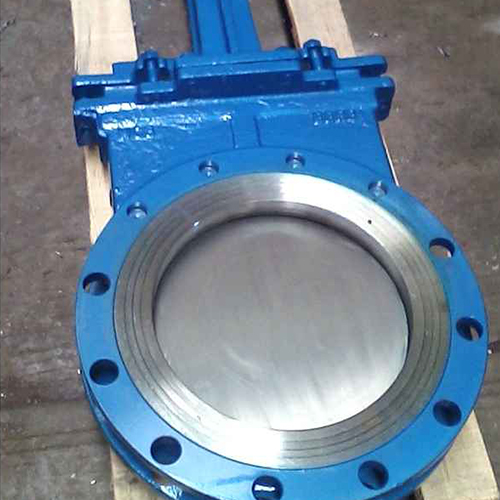
Baseline schedules assume moderate operating conditions handling benign materials at low cycle rates. Facility managers must adjust these intervals based on the specific realities of their process. Failing to account for severe duty applications guarantees premature equipment failure and unexpected production stops.
The bulk solid being handled dictates wear rates on internal components. Abrasive materials like silica sand, alumina, or cement act like sandpaper against blades and seals. This requires monthly rather than quarterly seal inspections. Corrosive chemicals degrade standard elastomers rapidly, necessitating specialized materials like Teflon or Viton. High-temperature bulk solids can bake packing glands, causing them to harden, crack, and fail. Hygroscopic materials absorb ambient moisture, turning into hard deposits that force the blade off its track and overload the pneumatic cylinder.
Material Type | Impact on Gate Components | Recommended Inspection Frequency |
|---|---|---|
Abrasive (Sand, Cement, Alumina) | Rapid wear on blades and seals, scoring of internal housing surfaces. | Monthly visual, Bi-annual teardown |
Corrosive (Chemical Powders) | Degradation of standard elastomers, pitting on exposed metal surfaces. | Bi-monthly visual, Annual teardown |
Hygroscopic (Sugar, Salt, Fertilizer) | Moisture absorption creates hard deposits, binding the blade and stalling cylinders. | Weekly cleaning, Quarterly mechanical |
High-Temperature (Fly Ash, Clinker) | Bakes packing glands, causes thermal expansion binding and seal hardening. | Monthly mechanical, Bi-annual teardown |
A gate cycling ten times an hour experiences vastly different wear than one cycling twice a day. High actuation frequency accelerates the degradation of pneumatic cylinder seals, internal blade packing, and solenoid valve spools. Calculate the estimated cycles per month based on production schedules. If the unit exceeds 10,000 cycles monthly, shift the quarterly preventative maintenance tasks to a monthly schedule. This prevents unexpected cylinder stalling and ensures the position sensors remain securely mounted despite constant vibration.
External environmental factors heavily influence pneumatic system health. High ambient humidity introduces moisture into compressed air lines. This washes away cylinder lubrication and causes internal corrosion on the cylinder barrel and piston rod. Particulate-laden atmospheres foul exposed limit switches, clog solenoid exhaust mufflers, and abrade exposed cylinder rods. Seasonal temperature fluctuations cause thermal expansion and contraction. This potentially binds the gate blade during extreme summer heat or freezes condensation in airlines during winter months, completely disabling the actuation system.
Facilities experiencing chronic maintenance bottlenecks often rely on standard commodity gates unsuited for their specific process demands. Upgrading to engineered solutions fundamentally changes the maintenance equation. Heavy-duty designs prioritize longevity, continuous operation, and ease of maintenance over initial simplicity and lightweight construction.
A High-Performance Pneumatic Isolation Gate incorporates specific features that directly extend maintenance intervals. Self-cleaning mechanisms clear material from the blade path during every stroke, preventing buildup in the housing pockets. Hardened steel or specialized alloy blades resist abrasive wear, eliminating the need for annual blade replacement. Precision-machined tolerances ensure the blade remains perfectly aligned throughout its travel, reducing uneven stress on the actuation cylinder and preventing premature seal failure.
Standard packing glands require frequent retensioning and replacement to prevent material leakage. Advanced polymer or elastomer seals used in high-performance units actively compensate for wear. These dynamic seals maintain tight contact with the blade even as material passes through, utilizing internal pressure or mechanical spring loading to maintain the seal face. This drastically reduces material bypass and fugitive dust emissions. This technological shift extends seal replacement intervals from months to years, depending on the application severity.
Commodity gates often utilize undersized cylinders that struggle under load, especially when material begins to pack in the housing. High-performance units feature oversized, heavy-duty pneumatic cylinders designed to power through minor material obstructions without stalling. These robust actuators feature superior internal guiding, wear bands on the piston, and premium rod seals. They require rebuilding far less frequently than standard commercial cylinders, providing reliable actuation even in harsh, dusty environments.
A maintenance schedule is only effective if executed consistently by trained personnel. Maintenance teams need structured, unambiguous checklists to perform inspections efficiently. Standardizing this process ensures no critical component is overlooked during a tight shutdown window and provides a historical record of equipment health.
Pneumatic health is critical for reliable actuation and consistent force generation.
Measure pressure drops across the system during actuation using an inline gauge to identify flow restrictions or undersized supply lines.
Check airline filters and water traps for contamination, draining any accumulated moisture, rust scale, or compressor oil.
Verify solenoid valve functionality by confirming rapid, crisp shifting without continuous exhaust port leaks.
Inspect flexible pneumatic tubing for hardening, cracking, or loose push-to-connect fittings near the cylinder ports.
Confirm the plant air compressor is delivering clean, dry air at the specified pressure rating for the equipment.
Establish explicit cleaning intervals to clear compacted bulk materials from the gate body. If handling sticky or moisture-sensitive materials, implement automated air purge systems to keep the housing clear during operation. Schedule manual cleanouts before the material solidifies. This prevents blade scoring, reduces the mechanical load on the pneumatic cylinder, and ensures the blade can reach the fully closed position to trigger the limit switch.
Mechanical wear dictates the physical lifespan of the unit and its ability to seal effectively.
Inspect blade alignment to ensure it travels perfectly parallel to the housing without twisting or binding.
Analyze housing wear patterns; uneven wear indicates lateral stress, improper installation, or material channeling.
Calibrate limit switches to guarantee they trigger at the exact end of the stroke, providing accurate feedback to the PLC.
Check the clevis and rod end bearings for excessive play, slop, or missing retaining rings.
Verify the structural integrity of the mounting flanges and ensure all bolts are torqued to specification.
Servicing isolation gates presents severe pinch-point, shearing, and stored-energy hazards. Strict adherence to Lockout/Tagout (LOTO) procedures is mandatory. Maintenance personnel must physically lock out the compressed air supply valve. Vent all residual pneumatic pressure from the cylinder and lines to a zero-energy state. Secure the blade mechanically using safety pins or blocking before placing hands inside the housing or attempting any repairs.
Evaluating maintenance strategies requires looking beyond the immediate cost of replacement parts and mechanic labor. The true financial impact encompasses production uptime, overall equipment lifespan, and safety compliance. Reactive repair strategies inevitably cost more over the equipment's lifecycle due to collateral damage and extended production outages.
Compare the hourly cost of lost production during an emergency shutdown against the predictable labor cost of scheduled maintenance. When a gate fails unexpectedly, facilities pay for emergency replacement parts, expedited overnight shipping, and idle production crews waiting for the repair. Scheduled maintenance allows for planned parts procurement, utilizes existing downtime windows efficiently, and prevents secondary damage to upstream or downstream equipment.
Facilities must decide how to deploy maintenance resources effectively. In-house teams excel at daily visual checks, lubrication, basic pneumatic troubleshooting, and routine cleaning. However, contracting specialized, factory-certified technicians for annual teardowns ensures that complex rebuilds meet original manufacturing specifications. This prevents improper reassembly, ensures correct seal tensioning, and provides an expert assessment of overall equipment health.
Maintaining gates in hazardous locations involves strict regulatory compliance and documentation. In ATEX or NFPA-regulated dust-explosion isolation environments, a failed gate seal can lead to catastrophic secondary explosions by allowing a flame front to propagate through the ductwork. The financial and safety implications of non-compliance, including fines and facility damage, far outweigh the cost of rigorous, documented preventative maintenance programs.
Effective maintenance requires having the right parts on hand when needed. Keep critical wear parts in stock in the facility tool crib to minimize repair duration and avoid waiting on vendor lead times.
Complete seal replacement kits, including perimeter seals and packing glands.
Spare limit switches, proximity sensors, and mounting brackets.
Pneumatic cylinder rebuild kits containing O-rings, piston seals, and rod wipers.
Replacement solenoid valves and coil assemblies.
A spare blade for highly abrasive applications where wear is rapid and unpredictable.
Even with rigorous schedules, specific failure modes frequently appear during inspections. Understanding how to resolve these common issues ensures the equipment returns to service quickly and operates reliably until the next scheduled maintenance window.
Premature seal failure usually stems from incorrect tensioning during installation or using seal materials incompatible with the bulk solid. If seals degrade rapidly, verify that the material temperature does not exceed the elastomer's maximum rating. Adjust packing gland tension evenly across all bolts to prevent localized wear and ensure the blade remains centered in the housing. Replace seals immediately if fraying or hardening is detected.
Sluggish actuation indicates a loss of force or increased mechanical resistance. Troubleshoot inadequate air pressure at the plant compressor or check for restricted, kinked airlines. Internal cylinder scoring allows compressed air to bypass the piston, reducing power and causing a hissing sound from the exhaust port. Alternatively, material packing tightly in the gate housing can physically block the blade. Clear the housing manually and verify cylinder pressure before returning the unit to service.
Vibration from the surrounding process equipment often rattles position sensors out of alignment over time. This causes the control system to register a fault, halting production even if the gate physically opened or closed successfully. Use thread-locking compounds on switch mounting brackets to prevent loosening. Physically verify that the switch engages only at the absolute end of the blade stroke to prevent false positive readings.
Audit your current gate failure rates and document the primary causes of unplanned downtime in your facility.
Review and update your preventative maintenance checklists to reflect actual material characteristics, environmental conditions, and cycle rates.
Consult with a pneumatic valve specialist to evaluate if upgrading to high-performance hardware will optimize your inspection schedules and reduce labor costs.
Establish a dedicated inventory of critical wear parts, including seals and cylinder rebuild kits, to minimize future repair durations.
A: Baseline maintenance requires daily visual checks for air leaks and smooth operation. Perform quarterly mechanical inspections for seal wear and lubrication. Execute annual comprehensive teardowns to rebuild cylinders and replace internal wear components. Adjust this schedule based on usage intensity.
A: Immediate repair is required if you observe audible compressed air leaks, sluggish or stalling actuation, visible material bypass through the housing, or inconsistent feedback from the limit switches to the control system.
A: Lifespan varies heavily by material abrasiveness and cycle rate. However, high-performance polymer or elastomer seals generally outlast standard packing glands by a factor of 2x to 3x due to their dynamic, wear-compensating designs.
A: Absolutely not. Strict Lockout/Tagout (LOTO) procedures and complete depressurization to a zero-energy state are mandatory before any mechanical inspection. Pressurized systems pose severe pinch-point and crushing hazards.
A: The most common cause of failure is material buildup inside the housing. This accumulation forces the blade off its track, leading to rapid seal degradation, blade scoring, and eventual pneumatic cylinder stalling.
A: High heat accelerates the degradation and hardening of standard elastomers and packing. Extreme cold can freeze moisture accumulated in the compressed airlines, causing pneumatic binding and preventing the cylinder from actuating.
A: Monitor material buildup closely during the first few weeks of operation. Set manual cleaning intervals or automated air purge cycles at a frequency that prevents material accumulation from hardening and interfering with the blade stroke.

