
Views: 0 Author: Site Editor Publish Time: 2025-12-09 Origin: Site


Elevators are crucial pieces of equipment used in various industries for vertical transportation of bulk materials. Two of the most commonly used types are chain belt bucket elevators and belt bucket elevators. These systems play an essential role in material handling by efficiently moving materials from one point to another, often in mining, agriculture, and manufacturing sectors.
In this article, we will delve into what distinguishes these two types of elevators, their components, how they work, their advantages, and how to choose the right one for your operation. Understanding the differences between a chain belt and a belt bucket elevator can help you make an informed decision based on your material handling needs.
A chain belt bucket elevator is a material handling system that uses a chain and a belt to carry materials vertically. It is designed to handle heavy, abrasive materials with high capacities. This type of elevator uses a continuous chain or multiple chains that move through sprockets. Buckets are mounted onto the chain, allowing them to carry bulk materials up to a specific height.
Understanding the components of a chain belt bucket elevator is essential for recognizing its suitability for various applications. Here are the primary components:
Chains: The chains are responsible for driving the buckets. They are usually made of durable materials like steel or alloy to withstand heavy loads and abrasive materials.
Buckets: These are attached to the chains and are designed to hold and transport materials. They are typically made from metal or durable plastic.
Sprockets: Sprockets engage with the chains and drive them in a circular motion. They are critical in ensuring the smooth operation of the system.
Drive System: This consists of a motor and gearbox that provide the necessary power to move the chain and the buckets.
Discharge Chutes: These guide the material to its final destination after being lifted by the buckets.
High Durability: Chain belt elevators are known for their robustness, able to handle heavy and abrasive materials like sand, grain, cement, and minerals.
High Capacity: These systems can move large quantities of materials quickly, making them ideal for large-scale operations.
Ability to Handle Heavy Loads: The use of chains enables these elevators to carry heavy materials that belt elevators may struggle with.
Longer Lifespan: Due to their sturdy construction, chain belt bucket elevators generally last longer than their belt counterparts when used for heavy-duty applications.
A belt bucket elevator uses a belt, rather than a chain, to carry buckets vertically. Belt bucket elevators are often preferred for light to medium-duty applications where the material being transported isn’t as heavy or abrasive. These systems are commonly found in applications where energy efficiency and cost-effectiveness are key considerations.
A belt bucket elevator consists of similar components as a chain belt elevator but with significant differences in the method of material transport. The components include:
Belt: The belt serves as the main component for lifting the buckets. It is typically made of durable materials like rubber or fabric.
Buckets: Similar to chain bucket elevators, the buckets are mounted onto the belt and carry the material upward.
Pulleys: The belt moves around pulleys, and they ensure that the belt stays in motion.
Drive System: This includes a motor, typically with lower power requirements than those used for chain elevators, due to the lighter load.
Discharge Chutes: Similar to chain belt elevators, these direct the material to its final destination.
Energy Efficiency: Because belt bucket elevators are often lighter than their chain counterparts, they tend to consume less energy, making them more cost-effective for transporting lighter materials.
Lower Maintenance: Belt elevators have fewer moving parts than chain elevators, which leads to lower maintenance requirements.
Cost-Effective: Belt bucket elevators are generally less expensive to install and maintain compared to chain belt elevators, making them a good choice for businesses looking to minimize costs.
Quiet Operation: The belt system typically operates more quietly than chain systems, which can be beneficial in environments where noise reduction is a priority.
Now that we have a better understanding of both systems, let’s explore the key differences between chain belt and belt bucket elevators in terms of material handling, durability, energy efficiency, and more.
Criteria | Chain Belt Bucket Elevator | Belt Bucket Elevator |
Heavy Materials | Handles heavy, abrasive materials like sand, gravel, cement, and coal | Suitable for lighter materials like grains, pellets, and powders |
Capacity | High capacity and load-bearing ability | Moderate capacity, suitable for medium loads |
Material Types | Best for rough, tough materials | Best for less abrasive and lighter materials |
Chain Belt Elevators are better suited for industries where the materials are heavy and abrasive. They can handle larger volumes and heavier loads, making them ideal for industries like mining, cement, and grain milling.
Belt Bucket Elevators, on the other hand, are more efficient in handling lighter materials such as grains, fertilizers, and powders, making them more common in agriculture and food processing industries.
Criteria | Chain Belt Bucket Elevator | Belt Bucket Elevator |
Material Durability | High, designed to withstand harsh environments and heavy wear | Moderate, wears down faster with heavier or abrasive materials |
Maintenance Frequency | Requires more frequent maintenance due to wear and tear on chains | Requires less maintenance due to fewer moving parts |
Lifespan | Long-lasting with proper maintenance, especially in heavy-duty conditions | Shorter lifespan when used with heavier materials |
Chain Belt Elevators are built for durability and are ideal for high-demand, heavy-duty applications. However, they require regular maintenance, and components like chains and sprockets wear out faster.
Belt Bucket Elevators are more durable when used for lighter materials, but they can suffer from wear and tear when handling heavy or abrasive materials. These elevators generally require less maintenance and have a longer lifespan when used appropriately.
Criteria | Chain Belt Bucket Elevator | Belt Bucket Elevator |
Energy Consumption | Higher due to the heavy-duty motor and chain components | Lower energy consumption due to lighter weight and belt design |
Power Requirements | High power requirements, especially for heavy loads | Low to moderate power requirements |
Belt Bucket Elevators are generally more energy-efficient because they use lighter components and have less friction compared to the robust chain systems of the Chain Belt Elevators.
Criteria | Chain Belt Bucket Elevator | Belt Bucket Elevator |
Maintenance Cost | Higher maintenance cost due to more moving parts (chains and sprockets) | Lower maintenance cost due to fewer moving parts and less wear |
Ease of Maintenance | More difficult to maintain, requiring specialized attention for chains | Easier maintenance, with simpler designs and fewer parts to service |
Belt Bucket Elevators require less maintenance and are simpler to repair, making them a better choice for businesses with fewer resources dedicated to ongoing maintenance.
Criteria | Chain Belt Bucket Elevator | Belt Bucket Elevator |
Initial Installation Cost | Generally higher due to the robust construction and motor size | Generally lower, more affordable to install |
Long-Term Operational Cost | Higher due to higher maintenance and energy costs | Lower long-term costs due to lower maintenance and energy consumption |
Chain Belt Elevators typically have higher initial costs, but they may be the better choice in the long run if heavy-duty, high-capacity material handling is required. However, Belt Bucket Elevators are more affordable to install and operate, especially in lighter material handling scenarios.
Criteria | Chain Belt Bucket Elevator | Belt Bucket Elevator |
Speed of Operation | Moderate speed, but can be adjusted for higher capacity | Generally faster operation due to lighter components |
Material Efficiency | Handles materials at a consistent pace, but may require more power | More efficient for lighter materials with higher speed and less energy consumption |
Belt Bucket Elevators generally operate at a higher speed for lighter materials, while Chain Belt Elevators can be adjusted for slower, more consistent material handling at higher capacities.
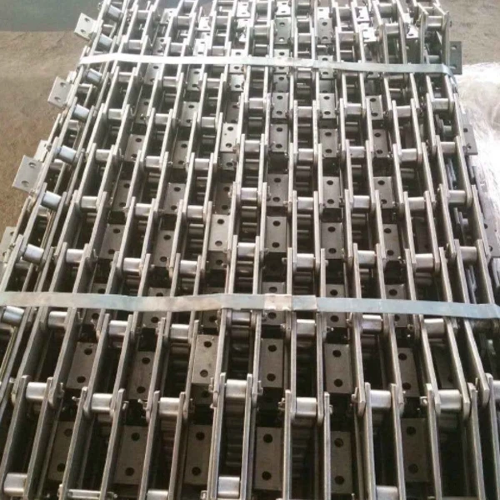
Choosing between a chain belt and belt bucket elevator depends on several factors, including the type of material, the capacity required, and the operating environment.
Ideal for:
Heavy, abrasive, and coarse materials such as coal, cement, and sand.
High-capacity operations where durability and load-bearing are crucial.
Environments with harsh conditions that require robust systems.
Ideal for:
Lighter materials such as grains, fertilizers, and powdered products.
Moderate to low-capacity operations.
Applications where energy efficiency and lower maintenance are essential.
Chain Belt Bucket Elevators often require more space for their larger, heavier components and must be installed with consideration for their substantial drive mechanisms.
Belt Bucket Elevators are typically more compact and easier to install in smaller spaces, which can be beneficial in areas where space is limited.
Chain Belt Bucket Elevators may require stronger structural support due to their weight and the forces exerted by the chains.
Belt Bucket Elevators are lighter, so they generally require less structural reinforcement.
Choosing between a chain belt bucket elevator and a belt bucket elevator ultimately depends on your specific operational needs, the type of materials you're handling, and your budget. For heavy-duty applications that require high capacity, durability, and the ability to handle abrasive or high-temperature materials, a chain belt elevator is the ideal solution. On the other hand, if your operations require a more energy-efficient system for lighter materials, a belt bucket elevator offers cost-effective performance while reducing energy consumption.
Understanding the key differences—such as capacity, efficiency, durability, and cost—is crucial for making an informed decision that aligns with your business’s needs. At KCY, we provide expert guidance in selecting the right elevator system for your application, ensuring maximum performance and operational efficiency. Whether you need a high-capacity solution for heavy-duty use or a more efficient system for lighter materials, our team can help you find the perfect fit for your project. Reach out to KCY today for more information and personalized advice on optimizing your material handling systems.
A1: Chain belt bucket elevators are better for heavy materials as they are more durable and can handle abrasive and high-capacity materials.
A2: Chain belt elevators are generally better suited for high-temperature materials due to their robust chain construction, while belt bucket elevators may require special belts for higher temperatures.
A3: Belt bucket elevators are more energy-efficient due to their lighter components and lower power requirements.
A4: Chain belt elevators require more frequent maintenance, particularly for the chains, sprockets, and drive system, due to their high wear and tear in heavy-duty applications.
A5: The choice between a chain belt bucket elevator and a belt bucket elevator depends on the material type, load capacity, environmental conditions, and budget. Choose chain belt elevators for heavy, abrasive materials and belt bucket elevators for lighter, less abrasive materials with a focus on energy efficiency.


