
Views: 0 Author: Site Editor Publish Time: 2025-11-27 Origin: Site


Jaw crusher jaws are crucial components of a jaw crusher machine, which is widely used in the mining, construction, and recycling industries. The primary function of these jaws is to apply pressure and friction to break down materials into smaller pieces for further processing. The material selected for these jaws plays a significant role in determining the crusher’s performance, longevity, and efficiency.
Choosing the right material for jaw crusher jaws is not only about durability but also about ensuring that the crusher operates efficiently under specific conditions. This article will delve into the different materials used for jaw crusher jaws, the factors to consider when selecting them, and the pros and cons of each material. By understanding these key points, you can make an informed decision that will optimize your crushing operation.
Manganese steel, also known as Hadfield steel, is one of the most commonly used materials for jaw crusher jaws. Manganese content in steel is typically around 12% to 14%, which gives it excellent toughness and high wear resistance.
High Wear Resistance: Manganese steel is known for its ability to withstand abrasion and wear, making it ideal for crushing hard and abrasive materials.
Toughness: This material is highly durable and resistant to cracking, even under extreme stress conditions.
Work-Hardening Properties: Manganese steel becomes harder as it wears, which increases its effectiveness in high-impact crushing applications.
Used in industries where hard and abrasive materials are frequently processed, such as granite, quartz, iron ore, and other minerals.
High-carbon steel contains a higher percentage of carbon compared to standard steels, typically ranging from 0.60% to 1.00%. This gives it enhanced hardness and strength.
Hardness: High-carbon steel is known for its hardness and ability to resist wear.
Abrasion Resistance: It performs well in applications where materials with high abrasiveness need to be crushed.
Brittleness: While high-carbon steel is hard, it is also more brittle than manganese steel and may crack under excessive stress.
Ideal for crushing materials that are hard but not overly tough, such as limestone or coal. However, it is not recommended for high-impact applications where toughness is essential.
Alloy steels are composed of various alloying elements such as chromium, nickel, molybdenum, and vanadium. These elements give the steel improved mechanical properties compared to regular carbon steels.
Toughness: Alloy steel is designed to withstand high-impact and high-pressure conditions, making it ideal for more demanding crushing environments.
Improved Wear Resistance: Alloying elements like chromium increase wear resistance, helping extend the lifespan of jaw plates.
Heat Resistance: Certain types of alloy steel are designed to handle higher temperatures and are used in applications involving high-temperature crushing.
Used in industries where crushers are exposed to extreme operating conditions, such as recycling plants, cement manufacturing, and certain mining operations.
Chrome steel is a type of alloy steel that contains chromium, which provides superior wear resistance and hardness.
High Hardness: Chrome steel’s hardness is much greater than that of standard steels, making it highly effective for crushing tough, abrasive materials.
Oxidation Resistance: The addition of chromium improves the material’s resistance to corrosion, making it suitable for crushers exposed to humid or corrosive environments.
Toughness Under Impact: Chrome steel offers good toughness but can be more prone to cracking under high-impact conditions compared to manganese steel.
Chrome steel is often used for crushers processing tough and abrasive materials like certain ores, slag, and industrial waste.
In recent years, composite materials and ceramics have been explored as alternatives for jaw crusher jaws due to their extraordinary hardness and wear resistance. These materials often combine ceramics with metals or synthetic fibers to enhance toughness while maintaining excellent hardness.
Exceptional Wear Resistance: Ceramics and composite materials are incredibly resistant to wear, providing a long lifespan even in the harshest crushing environments.
Corrosion Resistance: These materials offer superior resistance to corrosion, making them suitable for handling materials that would typically cause other materials to degrade.
Cost and Application Limitations: While these materials offer excellent performance, they can be expensive and are often reserved for specialized applications.
Used in niche applications such as recycling plants, cement industries, or specialized industrial processes where minimal wear and high resistance to corrosion are crucial.
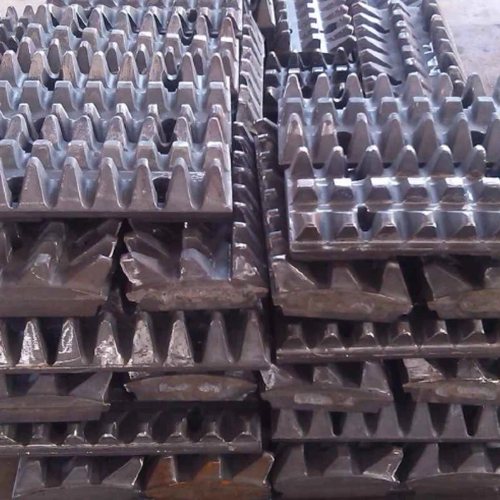
The primary factor influencing the choice of jaw plate material is the hardness and abrasiveness of the material being crushed. Harder materials require tougher and more resistant jaw plates, such as manganese or alloy steel, to withstand the stresses placed on them during the crushing process.
Material Type | Ideal Material Characteristics | Recommended Material |
Hard & Abrasive | Requires high resistance to wear and impact | Manganese Steel, Alloy Steel |
Moderate Hardness | Good balance of hardness and toughness | High-Carbon Steel, Manganese Steel |
Soft & Non-Abrasive | Lower wear resistance required | Alloy Steel, Chrome Steel |
The crushing environment plays a crucial role in material selection. For example, crushers exposed to high temperatures or chemicals may require materials that can resist these environmental conditions. In such cases, chrome steel or specialized alloys may be more suitable due to their enhanced heat and corrosion resistance.
While tougher materials like manganese and alloy steel offer superior durability and wear resistance, they come at a higher upfront cost. In contrast, high-carbon steel and chrome steel may offer a more cost-effective solution but could compromise on toughness under extreme conditions. Therefore, balancing cost with performance needs is essential for making the right material choice.
Superior wear resistance
High toughness, making it ideal for tough crushing environments
Work-hardening properties that improve performance over time
Expensive compared to other materials
Prone to brittleness under extreme high-stress conditions
High hardness and abrasion resistance
Cost-effective for specific crushing applications
Brittle under high-impact conditions
Limited performance in demanding crushing environments
Excellent toughness and heat resistance
Performs well in high-impact conditions
Higher initial cost
May not be suitable for less demanding applications
High hardness and wear resistance
Excellent resistance to oxidation and corrosion
More expensive than manganese steel
Can crack under high-impact conditions
Extreme wear resistance and long lifespan
Minimal maintenance and high resistance to corrosion
Very high cost
Limited application scope
Regular inspections of jaw crusher jaws are vital to monitor wear and tear. Inspections should focus on cracks, uneven wear, and thickness reduction. Identifying these issues early can prevent sudden failures and downtime.
Lubricating the jaw crusher’s moving parts helps reduce friction and ensures smooth operation. Additionally, adjusting the jaw settings periodically is crucial to maintaining consistent crushing efficiency.
Common signs that jaw plates need replacing include significant wear or cracking, as well as a noticeable drop in crushing efficiency. Replacing the jaws at the right time can save on maintenance costs and reduce the risk of damaging other crusher components.
Selecting the right material for your jaw crusher jaws is essential for optimizing performance, durability, and overall cost-efficiency in your crushing operations. The material you choose will depend on several factors, including the hardness of the material being crushed, the specific operating conditions, and the trade-off between upfront costs and long-term performance.
Whether you decide on manganese steel, high-carbon steel, alloy steel, chrome steel, or specialized ceramics, each material offers unique benefits to suit different crushing needs. It’s crucial to consider not only the material’s wear resistance and toughness but also long-term factors like maintenance and replacement costs to make the most cost-effective decision.
For expert guidance on selecting the ideal jaw plates for your specific requirements, it’s highly recommended to consult with experienced professionals. KCY offers tailored solutions that help you choose the best materials to maximize your crusher’s efficiency and lifespan. Their team can provide valuable insights and support, ensuring your crushing operations run smoothly and cost-effectively.
A1: Manganese steel is used for its exceptional toughness and wear resistance. Its work-hardening properties make it ideal for high-impact and abrasive applications, especially when crushing hard materials like granite and ores.
A2: High-carbon steel is ideal for materials that require high hardness, such as limestone and coal. However, it may not perform well in high-impact applications due to its brittleness.
A3: Alloy steel offers enhanced toughness and wear resistance, making it suitable for tough crushing applications. It performs well under high-impact conditions and in high-temperature environments.
A4: Ceramic and composite materials are extremely wear-resistant and have long lifespans, but they are typically used in specialized applications where minimal wear and high resistance to corrosion are essential, such as recycling.
A5: The best material for your jaw plates depends on the hardness of the material being crushed, the operational conditions, and your performance requirements. Manganese steel is generally the go-to material for most applications, while high-carbon steel and chrome steel are better for specific needs.


