| Quantity: | |
|---|---|
| Product Overview |
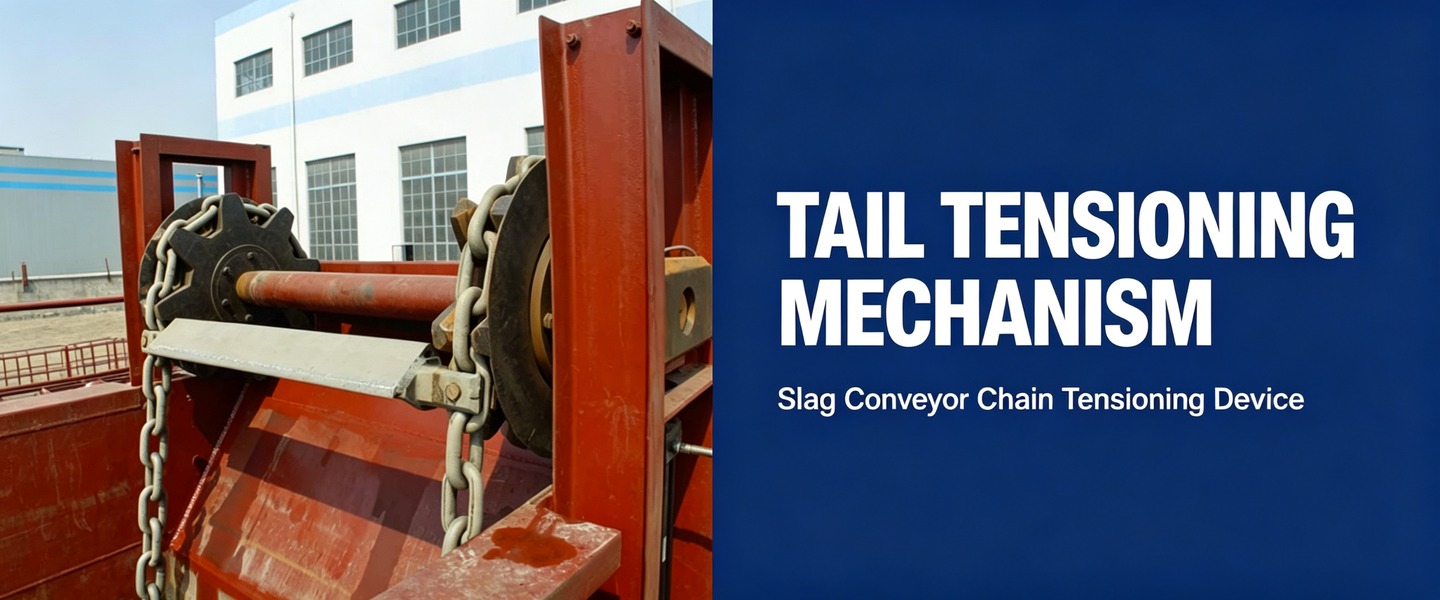
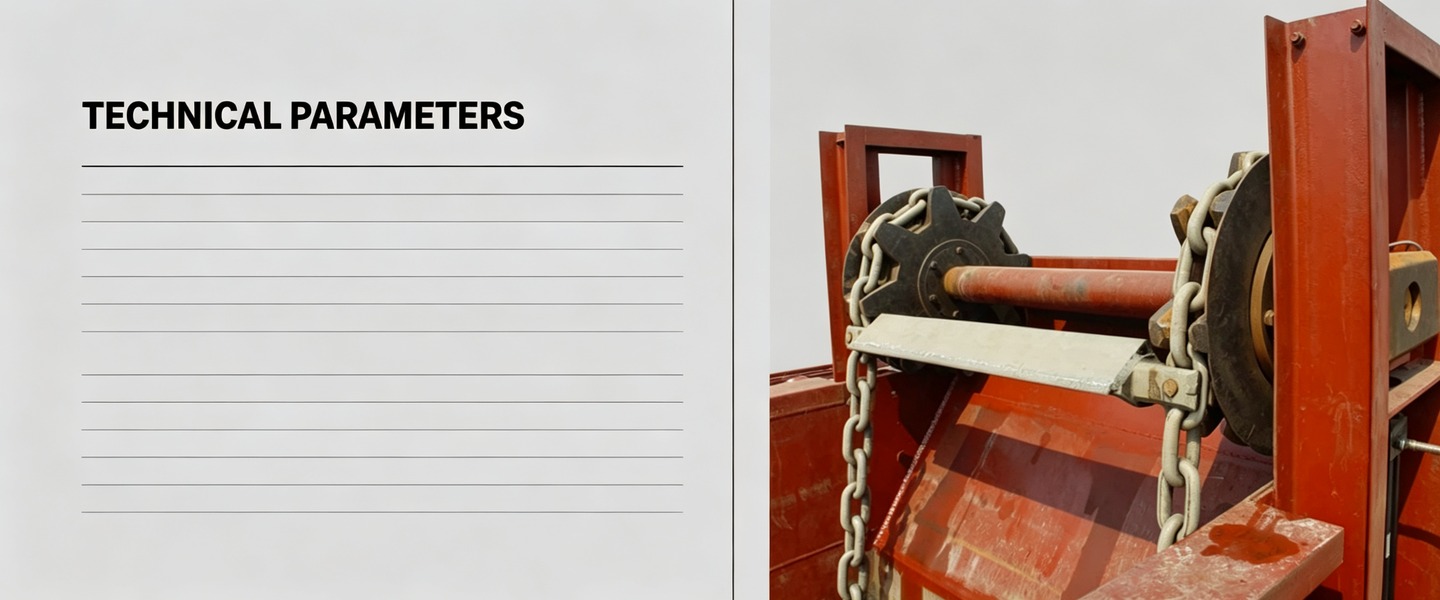
| The hydraulic tail tensioning mechanism features two hydraulic cylinders mounted on both sides of the conveyor tail frame, acting synchronously on the sliding blocks that drive the tensioning wheel shaft. A pressure pump continuously pressurizes the system and an accumulator stores energy, releasing it automatically during operation to maintain a specific tension force range. This automatic tensioning system eliminates manual adjustment downtime and protects the chain and sprocket from over-tensioning or slack. The manual version uses a threaded rod and hand wheel for on-site adjustment, ideal for smaller conveyors and low-budget projects. Both versions share the same welded steel frame, toothed sprocket wheel, heavy chain and guide rail construction, with red painted finish standard. We provide complete engineering support, CAD drawings and installation guidance for global customers in power, mining, cement and steel industries. |
Technical Specification
| Product Name | Tail Tensioning Mechanism |
| Application | Scraper conveyor, en masse conveyor, slag/ash handling system |
| Tensioning Type | Manual screw tensioning / Hydraulic automatic tensioning |
| Tensioning Stroke | Approximately 400mm (customizable) |
| Service Life | No less than 30,000 hours under normal operation |
| Sprocket Type | Toothed tensioning sprocket (cast steel, heat-treated) |
| Chain Type | Heavy-duty alloy steel roller chain (pitch per conveyor spec) |
| Frame Material | Welded carbon steel structure (Q235B / Q355B) |
| Surface Finish | Red oxide paint standard; hot-dip galvanizing optional |
| Guide Rail | Precision machined steel guide rails with bronze wear plates |
| Bearing | Double-sealed spherical roller bearing |
| Screw Rod | Trapezoidal threaded rod with lock nut (manual type) |
| Hydraulic Cylinder | Double-acting cylinder with check valves (hydraulic type) |
| Accumulator | Bladder-type hydraulic accumulator (hydraulic type) |
| Pressure Pump | Electric or pneumatic pressure pump unit |
| Temperature Range | -20C to +120C (special high-temp version available) |
| Sprocket Diameter | Custom per chain pitch and conveyor design (typically 200-600mm) |
| Frame Width | Custom per conveyor trough width (typically 300-1200mm) |
| Safety Feature | Chain guard plate, pressure relief valve, limit switch optional |
| Certification | ISO 9001, CE marking available, material mill test reports |
Product Dscription
Customization
Advantage
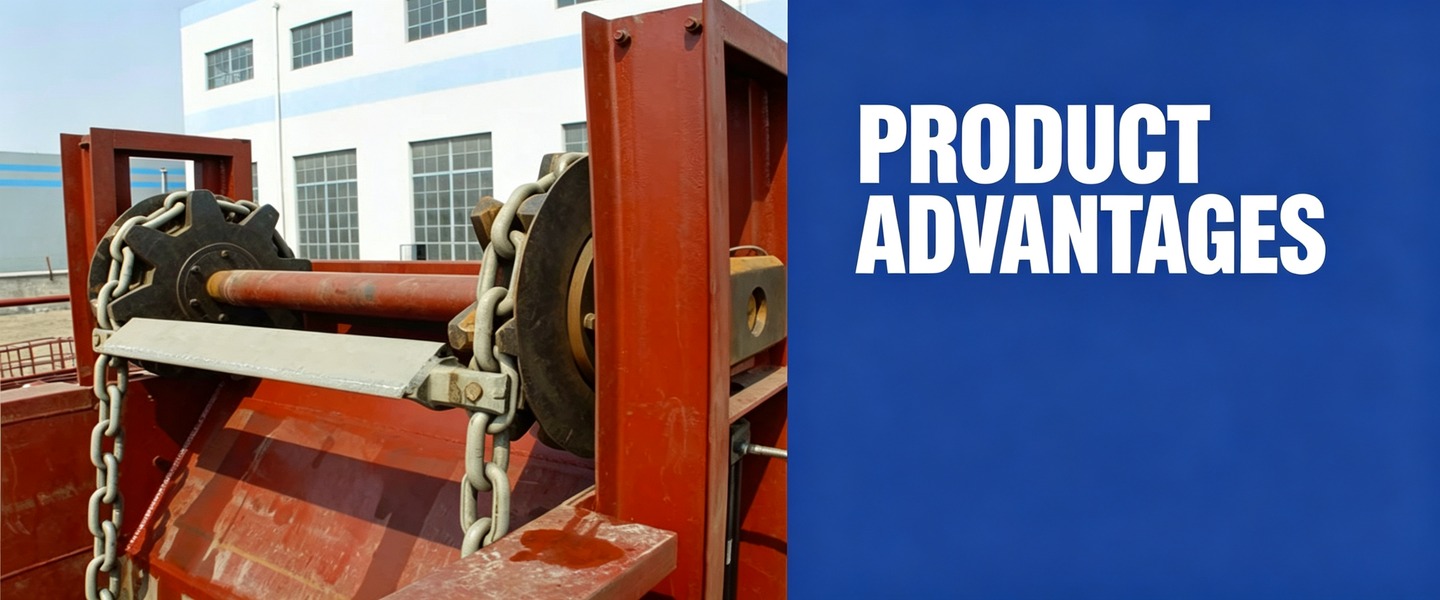
| 1 | Toothed sprocket design ensures positive chain engagement even when chain is loose, eliminating chain slip common with toothless tensioning wheels. |
| 2 | Service life exceeds 30000 hours under normal operating conditions, reducing replacement frequency and maintenance costs for conveyor operators. |
| 3 | Two tensioning options cover all applications: manual screw for simple low-duty conveyors and hydraulic automatic for continuous heavy-duty operation. |
| 4 | Hydraulic accumulator system maintains constant chain tension automatically, compensating for thermal expansion and chain elongation without downtime. |
| 5 | 400mm standard tensioning stroke accommodates significant chain wear elongation, extending the interval between chain replacement cycles. |
| 6 | Welded steel frame construction is rigid and durable, resisting deformation under heavy chain pull in demanding ash and slag environments. |
| 7 | Cast steel toothed sprocket is heat-treated and precision machined, delivering long tooth life and reliable chain engagement year after year. |
| 8 | Sliding block guide rails with bronze wear plates ensure smooth tension adjustment and prevent frame scoring in dusty industrial environments. |
| 9 | Double-sealed spherical roller bearings tolerate misalignment and contaminated dust, reducing bearing failure and lubrication frequency. |
| 10 | Safety guard above chain prevents accidental contact, meeting occupational safety standards and protecting workers during maintenance. |
| 11 | Red painted finish provides corrosion resistance and high visibility, allowing quick visual inspection of chain condition during routine checks. |
| 12 | Modular design allows individual component replacement, so customers can replace sprocket or screw without replacing the entire frame. |
| 13 | Hydraulic version holds tension during power outage via check valves, preventing dangerous chain slack that could cause equipment damage. |
| 14 | Compact tail frame footprint minimizes conveyor length, allowing installation where space is limited at boiler house ash outlets. |
| 15 | All dimensions custom-engineered to match existing conveyor trough width, chain pitch and shaft height, ensuring drop-in replacement. |
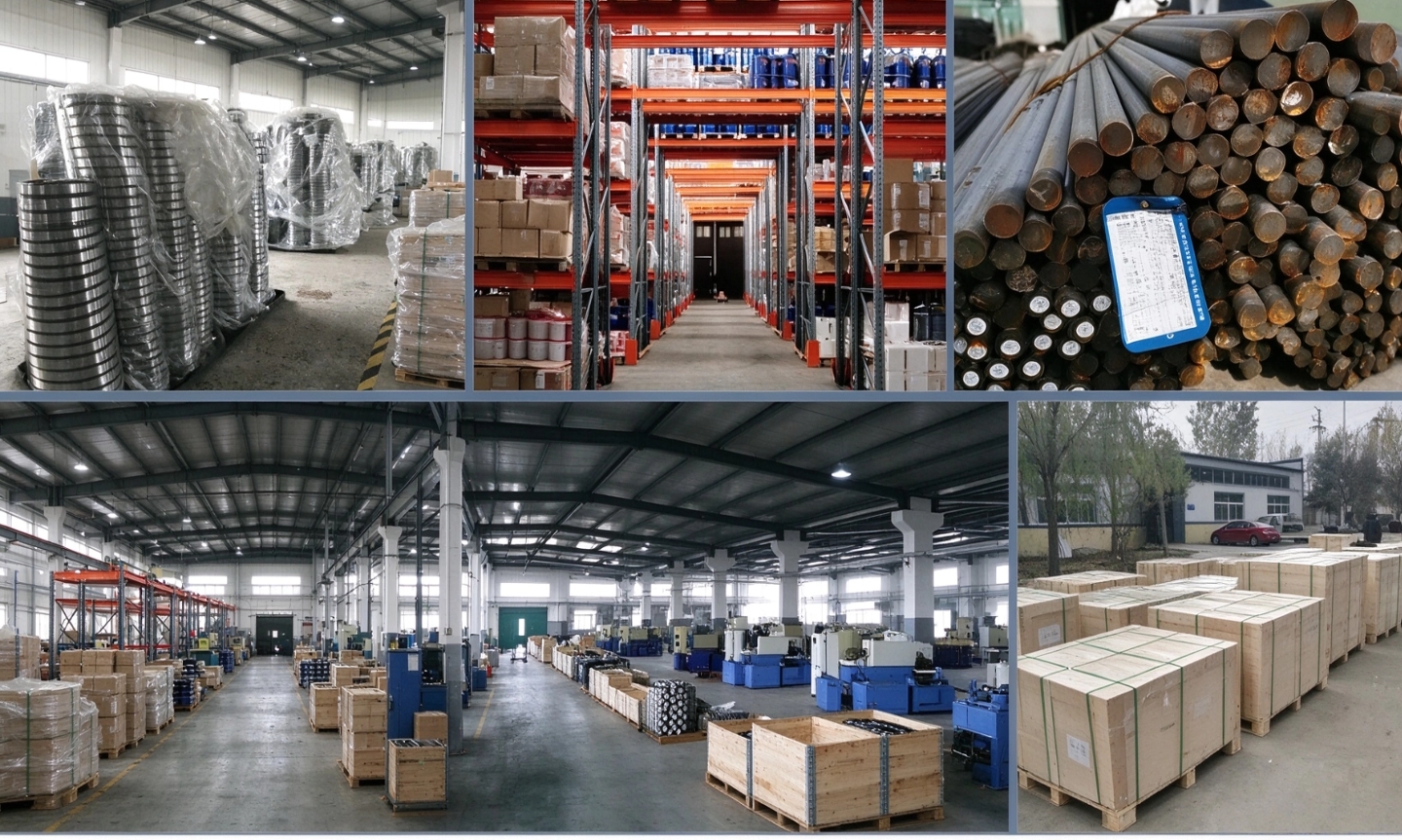
| 16 | Manufactured in our ISO 9001 certified facility with full material traceability and welding inspection reports for quality assurance. |
| 17 | Suitable for temperatures from -20C to 120C, handling hot ash and slag discharged from thermal power boiler furnaces without issue. |
| 18 | Quick-release bearing housing design allows sprocket removal in minutes without dismantling the entire conveyor tail frame. |
| 19 | Low operating noise compared to belt tensioners, contributing to a safer and more comfortable plant working environment. |
| 20 | We provide complete installation drawings, foundation layout and commissioning support, ensuring correct setup by local installation teams. |
| 21 | The toothed wheel design reduces chain wear by distributing load evenly across all engaged teeth, unlike toothless wheels that rub chain side plates. |
| 22 | Suitable for horizontal and inclined scraper conveyors up to 15 degrees, adapting to various ash and slag transfer layouts. |
| 23 | Manual adjustment requires only a standard wrench, no special tools or power supply needed, ideal for remote and off-grid conveyor sites. |
| 24 | Hydraulic pressure can be factory-set to customer-specified tension force, with optional pressure gauge for on-site verification. |
| 25 | Hot-dip galvanizing available for outdoor coastal and chemical plant environments, providing 2x longer corrosion protection than paint. |
| 26 | We supply replacement sprockets, chains and wear parts for all models, maintaining spare parts availability for at least 10 years after purchase. |
| 27 | The tensioning mechanism absorbs startup shock loads from the conveyor, protecting chain and drive sprocket from premature fatigue failure. |
| 28 | Both sides synchronously tensioned in hydraulic version, ensuring parallel sprocket alignment and preventing chain derailment from uneven tension. |
| 29 | Competitive factory-direct pricing with EXW, FOB, CIF and DDP shipping terms available, supporting international procurement from China. |
| 30 | Backed by a 12-month warranty and responsive engineering support, our tail tensioning mechanism is trusted by ash handling plant operators worldwide. |
FAQ
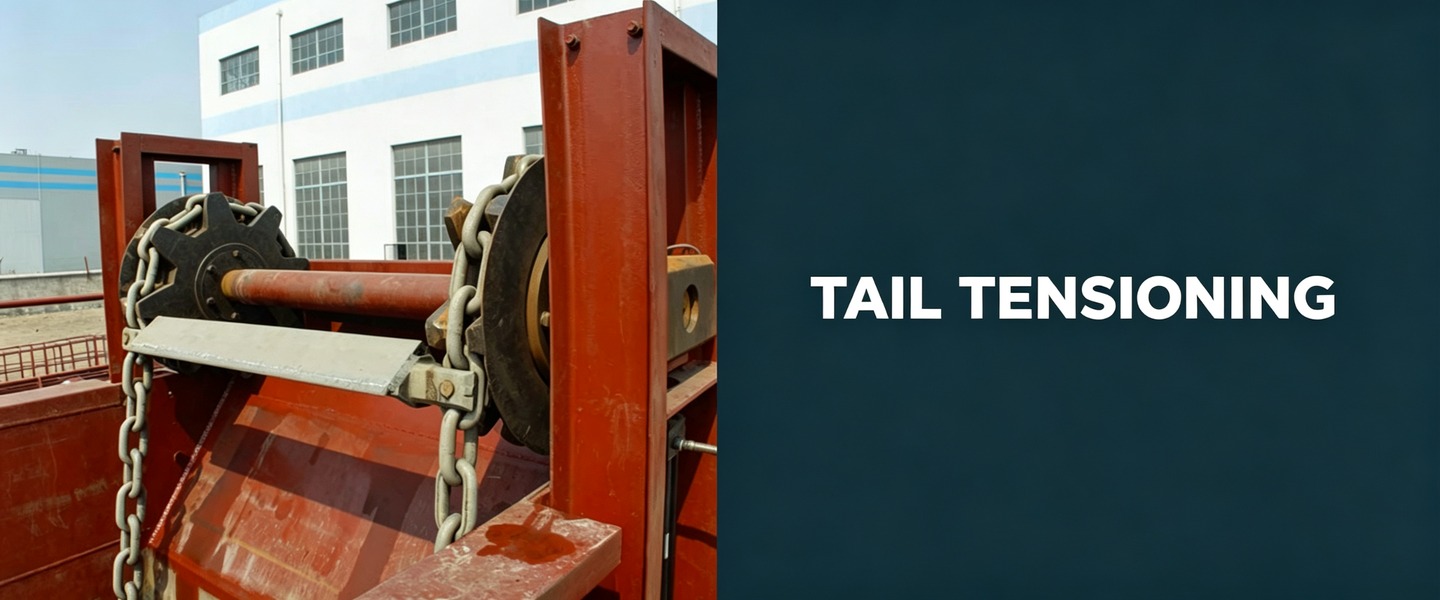
| 1 | What is a tail tensioning mechanism? | It is a device installed at the tail end of a scraper chain conveyor to maintain proper chain tension, compensate for chain elongation, and ensure positive chain-sprocket engagement. |
| 2 | What is the difference between manual and hydraulic tensioning? | Manual uses a threaded screw adjusted by hand, simple and low cost. Hydraulic uses cylinders and accumulator for automatic constant tension, better for continuous heavy-duty operation. |
| 3 | What is the standard tensioning stroke? | Our standard tail tensioning mechanism provides approximately 400mm of tensioning stroke, which compensates for normal chain elongation over the service life. |
| 4 | How long is the service life? | Under normal operating conditions with proper maintenance, the service life is no less than 30,000 hours. |
| 5 | Why use toothed sprocket instead of toothless? | Toothed sprockets engage chain links positively, working even when chain is loose. Toothless wheels rely on friction and slip when chain slack occurs, making toothed design safer and more efficient. |
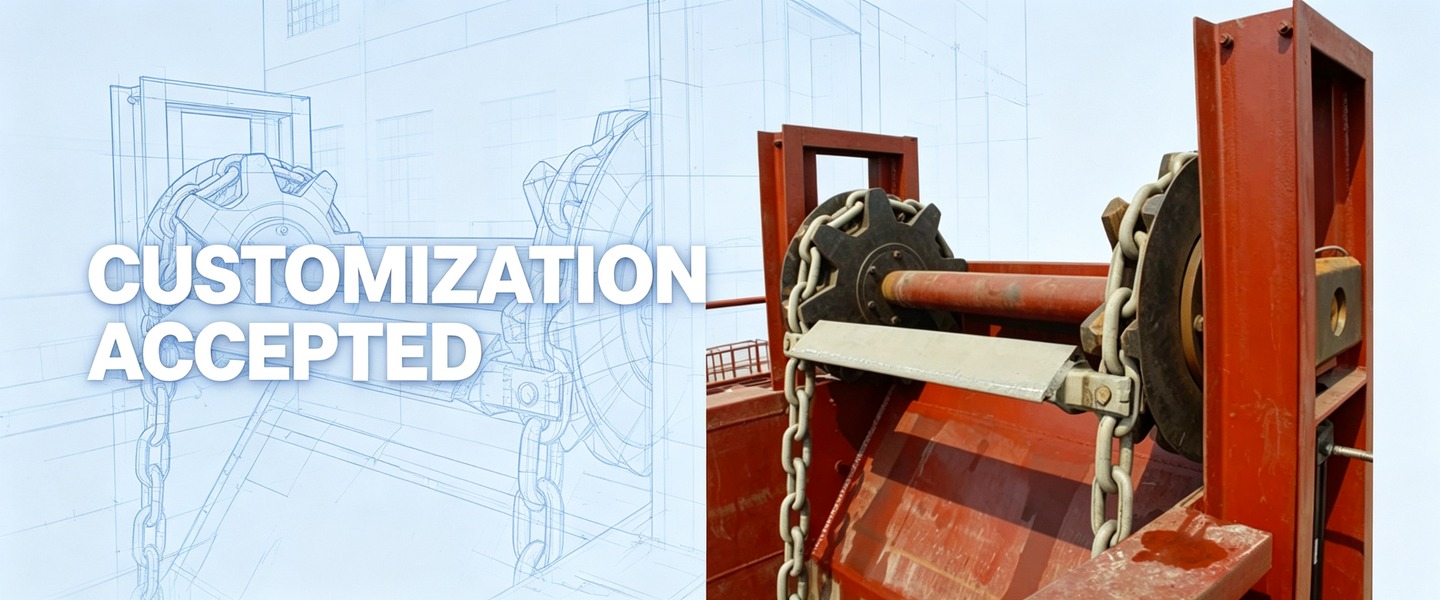
| 6 | Can you make custom sizes? | Yes, all dimensions including frame width, sprocket diameter, stroke length and mounting holes are custom engineered to your conveyor drawings. |
| 7 | What industries use this equipment? | Primarily thermal power plants for ash and slag handling, but also mining, cement, steel, chemical and bulk material conveying industries. |
| 8 | How does the hydraulic accumulator work? | The pressure pump charges the system and stores energy in the accumulator. During operation, if chain elongates, the accumulator releases oil to extend the cylinder automatically, maintaining constant tension. |
| 9 | What is the lead time? | Standard models ship in 2-3 weeks. Custom engineered units typically take 4-6 weeks depending on complexity and quantity. |
| 10 | Do you provide installation support? | Yes, we provide CAD installation drawings, foundation layout, and can arrange on-site installation supervision by our engineers. |
| 11 | What is the chain pitch range? | We can accommodate standard conveyor chain pitches from 100mm to 300mm, including detachable chains and forged chains used in ash conveyors. |
| 12 | How do I adjust manual tension? | Turn the tensioning nut on the screw rod to move the sliding block forward or backward. Always adjust both sides equally to keep the sprocket parallel. Re-tension after chain break-in period. |
| 13 | What paint color is standard? | Standard finish is red oxide / red primer as shown in product photos. Custom RAL colors are available at additional cost. |
| 14 | Is hot-dip galvanizing available? | Yes, for outdoor coastal or chemically aggressive environments, we offer hot-dip galvanizing as an alternative to painted finish. |
| 15 | What happens during power outage with hydraulic type? | Built-in check valves hold the cylinder position, so chain tension is maintained even during power loss. The accumulator also absorbs any sudden load changes. |
| 16 | Can this be used on inclined conveyors? | Yes, the tail tensioning mechanism works on horizontal and inclined scraper conveyors up to 15 degrees incline. |
| 17 | What is the warranty? | We provide a 12-month warranty from date of shipment, covering manufacturing defects. Wear parts like chain and sprockets are covered under normal operating conditions. |
| 18 | Do you supply spare parts? | Yes, we stock replacement sprockets, chains, bearing housings, screw rods, wear plates and seal kits for all models, available for at least 10 years. |
| 19 | What certification do you have? | Our factory is ISO 9001 certified. CE marking can be provided for European customers. Material mill test reports and welding certificates are included. |
| 20 | How to order? | Send us your conveyor model, chain specification, trough width and working conditions. Our engineering team will recommend the right model and provide a quotation within 24 hours. |
| 21 | What is the maximum temperature? | Standard units handle up to 120C. For hotter ash applications above 120C, we offer high-temperature seals and special lubrication options. |
| 22 | Can the sprocket be replaced without removing the frame? | Yes, the quick-release bearing housing design allows sprocket removal in minutes by removing the bearing cap bolts, without dismantling the main frame. |
| 23 | What is the frame made of? | The frame is welded from carbon steel plates (Q235B standard, Q355B for heavy duty), stress-relieved after welding to prevent deformation. |
| 24 | How do I know when to re-tension? | Monitor chain sag at the return side. When visible slack exceeds 50-100mm, adjust the tensioning screw. Hydraulic type has a pressure gauge showing tension status. |
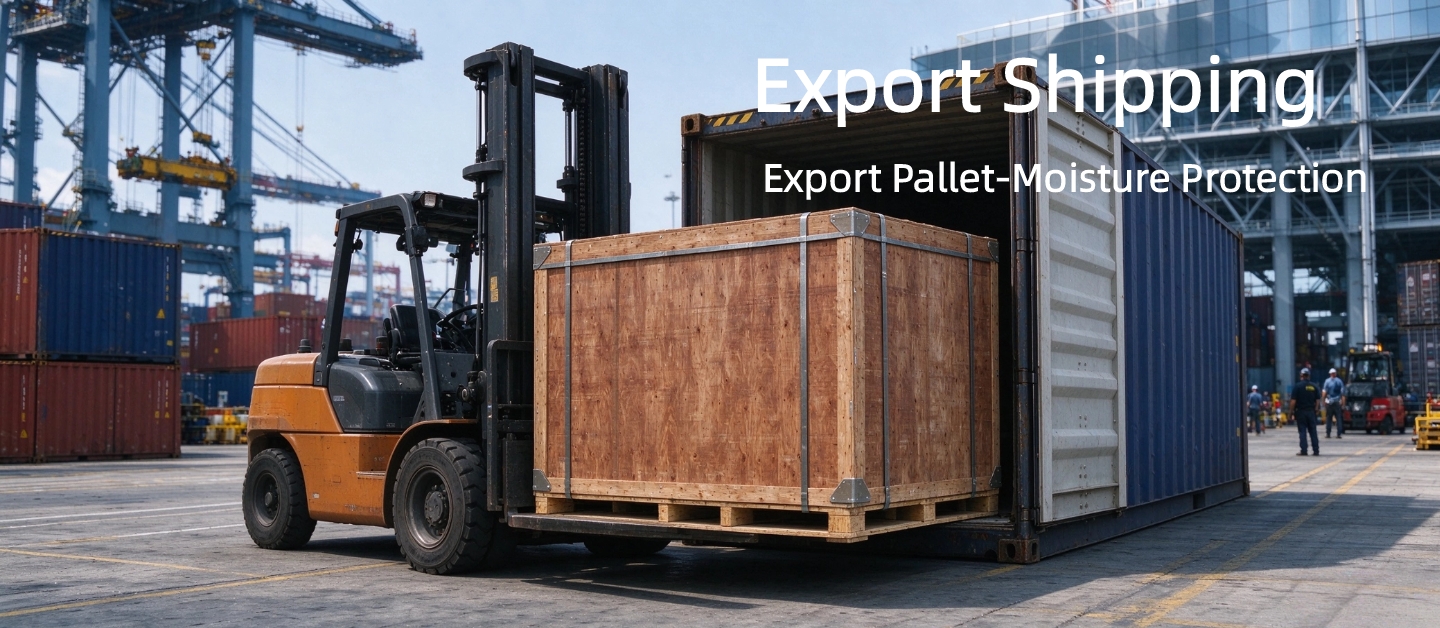
| 25 | Do you export worldwide? | Yes, we export to over 30 countries including Southeast Asia, Middle East, Europe, South America and Africa, with EXW, FOB, CIF and DDP terms. |
| 26 | What is the minimum order quantity? | MOQ is 1 unit for standard models. Custom engineered units also start from 1 set, with sample orders welcome for evaluation. |
| 27 | Can you provide CAD drawings before order? | Yes, we can provide general arrangement CAD drawings after receiving your basic requirements and a non-disclosure agreement if needed. |
| 28 | What lubrication is needed? | Guide rails use grease lubrication at specified points. Bearings are pre-lubricated sealed units. Hydraulic system uses anti-wear hydraulic oil (ISO VG46). |
| 29 | How does this compare to spring tensioners? | Spring tensioners lose force over time and have limited stroke. Our screw and hydraulic designs provide larger stroke (400mm) and maintain consistent force throughout service life. |
| 30 | What information do you need for a quote? | Please provide: conveyor type, chain pitch and size, trough width, required tensioning stroke, material temperature, and whether manual or hydraulic preferred. We will reply within 24 hours. |