
Views: 0 Author: Site Editor Publish Time: 2025-07-21 Origin: Site


Rotary coolers are essential pieces of equipment in various industries, particularly those that involve high-temperature materials. Their primary function is to cool hot materials quickly and efficiently, enabling safe handling, storage, and processing. By harnessing the principles of heat exchange and friction, rotary coolers can rapidly reduce the temperature of bulk materials while recovering and reusing energy in the process. In this article, we will explore the working principle of rotary coolers, their specific work process, the benefits they offer, and their applications across different industries.
At the heart of a rotary cooler’s design is its ability to rapidly cool materials using a combination of friction, rotation, and heat exchange. These elements work in harmony to create an efficient cooling process that can handle high throughput.
The cooling process in a rotary cooler begins when a hot material enters the rotating cylinder. The material is exposed to a cooling medium (usually air or liquid) that circulates through the cylinder. As the cylinder rotates, the material comes into constant contact with the cooling medium, which absorbs the heat from the material.
This process is intensified by the friction generated as the material moves and rubs against the walls of the rotating cylinder. The heat absorbed by the cooling medium is then carried away, leaving the material cooler and ready for further processing.
The rotation of the cylinder plays a critical role in ensuring effective heat transfer. As the cylinder turns, it causes the material inside to tumble and be lifted by flights (blades inside the cooler). This constant movement ensures that the material is evenly exposed to the cooling medium, maximizing the heat transfer efficiency.
The cooling medium, typically air or liquid, flows through the cylinder, creating turbulence and enhancing heat exchange. The air or liquid circulates around the material, absorbing the heat as it makes contact. This dual process of friction and medium circulation allows for efficient and rapid cooling of materials.
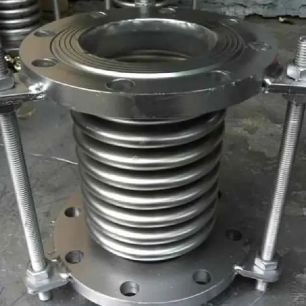
The rotary cooler operates in a sequence of steps designed to ensure smooth and efficient cooling. Here is a detailed breakdown of the specific process:
The process begins with the introduction of hot material into the rotary cooler. The material is fed into the cooler through a feeding device located at the high end of the cylinder. At this point, the material is still at a high temperature, typically ranging from 800°C to 1200°C, depending on the industrial process that produced it.
Once the material enters the cooler, the rotating cylinder begins its motion. The cylinder is typically tilted at a slight angle (usually between 4° and 7°), which facilitates the movement of the material from the high end of the cooler to the low end.
The rotation of the cylinder causes the material to tumble and roll, ensuring that it is evenly exposed to the cooling medium. The material moves through the cylinder as it is lifted and dropped by the flights inside the cooler. The flight system plays a key role in maintaining uniform exposure of the material to the cooling air or liquid.
As the material moves through the cooler, the cooling medium, usually air or liquid, is introduced into the system. The cooling medium enters through an inlet and circulates around the material inside the cylinder. The rotating action creates turbulence, ensuring that the cooling medium comes into full contact with the material.
For air-cooled rotary coolers, ambient or chilled air is used as the cooling medium. The air flows into the cylinder and absorbs heat from the material through convection. For liquid-cooled rotary coolers, water or other liquids are used to absorb heat from the material through direct contact with the drum’s surface, often utilizing a water jacket system.
The interaction between the material and the cooling medium is intensified by the rotation of the cylinder, which generates friction and turbulence. This increases the surface area of the material exposed to the cooling medium, enhancing heat transfer.
As the material moves inside the cooler, it is subjected to the cooling effect of the medium, which absorbs the heat from the material. The heat is then carried away by the cooling medium, lowering the temperature of the material. The heat exchange process continues until the material has reached the desired cooling temperature.
Once the material has cooled to the desired temperature, it is discharged from the rotary cooler. This occurs through a discharge port located at the low end of the cylinder. The cooled material is then ready for further processing, storage, or transportation.
For example, in cement production, the cooled clinker is ready to be ground into fine cement powder. The cooling process ensures that the material is safe for handling and storage, reducing the risk of damage to equipment or personnel.
Rotary coolers offer several advantages that make them a preferred choice in various industries. Here are some key benefits:
The combination of rotary motion, friction, and circulating cooling medium allows for efficient heat transfer. This enables rotary coolers to cool materials quickly, even at high temperatures. The rapid cooling reduces the risk of damage to the material and allows for faster processing, which is crucial in high-throughput industries.
Rotary coolers are highly versatile and can handle a wide range of materials, including cement clinker, metal ores, and chemical products. The cooling mechanism can be tailored to suit different material types and cooling requirements, making rotary coolers suitable for various industries, such as cement, metallurgy, and chemicals.
One of the key benefits of rotary coolers is their ability to recover heat from the cooling process. The hot air or liquid that exits the cooler can be recirculated and reused as combustion air in rotary kilns, reducing the need for additional fuel. This energy recovery system helps lower overall energy consumption and makes rotary coolers a more sustainable choice for industrial operations.
Rotary coolers are used in several industries where rapid cooling of bulk materials is necessary. Here are some common applications:
In the cement industry, rotary coolers are used to cool clinker after it exits the rotary kiln. The clinker must be cooled quickly and efficiently to prevent damage during transportation and storage. Rotary coolers play a vital role in improving the quality and grindability of clinker, making them an essential part of cement production.
Rotary coolers are also used in the metallurgical industry to cool metal ores and other high-temperature materials. The cooling process helps to prepare the materials for further processing, such as smelting or refining.
In the chemical industry, rotary coolers are used to cool various chemicals and reactants after high-temperature reactions. By cooling the materials quickly, rotary coolers help to preserve the properties of sensitive chemicals and prevent safety hazards.
Rotary coolers play a crucial role in various industrial processes by providing efficient cooling, heat recovery, and significant energy savings. Their ability to quickly cool materials, combined with low maintenance costs and versatility, makes them a preferred choice for industries like cement, metallurgy, and chemicals. By fully understanding how rotary coolers work, manufacturers can optimize their cooling systems, enhance energy efficiency, and boost overall production performance.
Beyond improving material quality, rotary coolers contribute to more sustainable and cost-effective operations, ensuring long-term savings and operational reliability. These coolers are a wise investment for industries requiring high-volume cooling solutions.
For businesses seeking to optimize their cooling processes, Qingdao Kechengyi Environmental Protection and Electric Power Technologies Co., Ltd. (KCY) offers top-tier rotary cooler solutions. Their team of experts can provide tailored cooling systems designed to meet your specific industrial needs, improving both efficiency and sustainability. Contact KCY today to learn more about how their advanced cooling technologies can help optimize your operations.


