
Views: 0 Author: Site Editor Publish Time: 2025-07-10 Origin: Site


Rotary coolers are essential equipment used in many industrial processes, particularly in sectors like cement manufacturing, metallurgy, and chemicals. They cool down high-temperature materials, preparing them for further handling, storage, or processing. However, like all machinery, rotary coolers can experience operational problems that reduce their efficiency, increase downtime, and raise maintenance costs. Prompt and effective troubleshooting is crucial to keep these machines running smoothly and to prevent costly disruptions. This article provides a comprehensive guide on how to identify and resolve common rotary cooler problems to maintain optimal performance.
In industrial environments, the reliability of equipment is critical to maintaining smooth production processes and avoiding costly delays or losses. Rotary coolers, which are responsible for cooling large volumes of hot materials such as clinker, ores, or chemicals, play a vital role in ensuring continuous workflow and product quality. Because these coolers operate under harsh conditions and handle substantial material throughput, even minor inefficiencies or malfunctions can quickly escalate into major bottlenecks that disrupt the entire production line.
Timely troubleshooting of rotary cooler issues is therefore essential. When operators and maintenance teams are able to quickly identify the root causes of problems—such as inadequate cooling, mechanical wear, abnormal noise, leaks, or overheating—they can take immediate corrective actions. This proactive approach not only helps prevent costly downtime but also reduces the risk of more severe equipment damage that would require expensive repairs or replacements.
Ignoring or delaying the diagnosis and repair of rotary cooler problems can lead to a range of negative consequences. These include increased mechanical wear and tear, reduced energy efficiency, compromised material quality, and potential safety hazards for workers and equipment. Ultimately, unresolved issues contribute to longer periods of downtime and significantly higher operational costs.
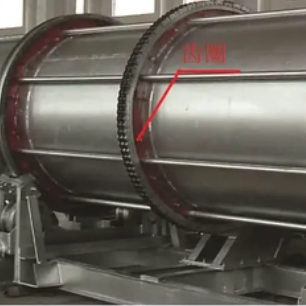
Rotary coolers may face a variety of issues depending on operating conditions, maintenance practices, and material characteristics. Below are some of the most frequently encountered problems and their typical causes.
Causes:
Airflow Issues: Poor or insufficient airflow is one of the most frequent causes of inadequate cooling. Blocked or malfunctioning fans, clogged ducts, or damaged blowers can all reduce the volume of cooling air moving through the rotary cooler, severely compromising heat transfer.
Material Feed Obstructions: Uneven or inconsistent material feeding can disrupt the cooling process. Obstructions in the feed chute or irregular feed rates often result in uneven material distribution, leading to hotspots and reduced cooling efficiency.
Buildup or Damage in the Cooling Drum: Deposits of processed material on the inner surface of the drum can act as an insulating layer, decreasing heat transfer. Similarly, physical damage such as dents, cracks, or warping may alter the drum’s rotation or interfere with the smooth flow of material.
Troubleshooting Steps:
Inspect fans, ducts, and blowers for any blockages or mechanical issues that could restrict airflow.
Ensure the material feed system is clear of obstructions and maintains a steady, even flow.
Clean the cooling drum’s interior surfaces regularly to remove any deposits or buildup that could impact heat transfer.
Repair or replace any visibly damaged sections of the drum to maintain smooth operation.
Signs:
Increased vibration or abnormal noises during operation often indicate excessive wear.
Visible damage, such as erosion or cracking, on critical components like drum liners, support rollers, or drive systems.
Areas to Inspect:
Drum Liners: These protect the drum shell from direct material contact and should be examined for cracks or excessive wear.
Drive System: Gears, chains, and motors are subjected to heavy loads and may wear out or become misaligned over time.
Support Rollers: These bear the weight of the rotating drum, and any wear in their bearings or surfaces can lead to imbalance.
Solutions:
Replace any worn or damaged liners, gears, or rollers immediately to prevent further damage.
Lubricate bearings and all moving parts according to the manufacturer's guidelines to reduce friction and slow wear.
Perform routine alignment checks on key components to ensure even wear across the system.
Possible Causes:
Imbalance from uneven material distribution or worn parts inside the rotary cooler.
Misalignment between the rotary drum, drive components, or support rollers.
Worn-out or faulty bearings and rollers that fail to rotate smoothly.
Troubleshooting:
Conduct a thorough balance check of the rotary drum to ensure it rotates evenly.
Inspect bearings and rollers, replacing any that show signs of wear or malfunction.
Tighten all bolts, fasteners, and connections to eliminate sources of rattling or vibration.
Check that the foundation or structural supports are stable and secure to prevent vibration amplification.
Effects:
Loss of cooling efficiency when air or the cooling medium leaks from the system, reducing the effectiveness of the heat transfer.
Increased risk of contamination or damage to internal components.
Potential safety hazards, especially if the system involves high temperatures or pressurized fluids.
Inspection Points:
Carefully examine seals and gaskets around all access doors, joints, and inspection ports.
Inspect the cooling chamber for any cracks, holes, or signs of corrosion.
Remedies:
Promptly replace any worn or damaged seals and gaskets to restore airtight integrity.
Repair or reinforce areas with structural damage to prevent leaks.
Use high-quality sealing materials rated for the system’s operating temperatures and pressures to ensure long-term reliability.
Causes:
Material deposits and residue building up on the drum’s cooling surfaces, which insulate the material and hinder heat transfer.
Insufficient airflow or improper circulation of the cooling medium through the system.
Wear or damage to internal components like lifters or flights that reduce contact between the material and cooling air.
Actions:
Regularly clean internal surfaces, including the drum and flighting, to remove any buildup.
Check and adjust the airflow system to ensure it delivers the proper volume and velocity of air for effective cooling.
Replace or repair any worn or damaged components that reduce the cooling surface area or disrupt material flow.
Causes:
Malfunctioning or blocked cooling systems, including fans, pumps, or piping that disrupt the circulation of the cooling medium.
Operating the rotary cooler above its design capacity, which can overload the system and limit its ability to dissipate heat.
Poor control of cooling medium flow rates or temperatures.
Solutions:
Verify that all components of the cooling system—fans, pumps, and delivery pipes—are functioning correctly and free of obstructions.
Adjust the material feed rate to keep it within the recommended capacity of the cooler.
Fine-tune the cooling parameters, such as airflow rates or coolant temperatures, to maintain stable and effective operation.
Troubleshooting common rotary cooler issues effectively requires a clear, systematic approach to quickly identify root causes and implement practical solutions. Problems such as inadequate cooling, excessive wear, abnormal noise, leaks, inefficient heat transfer, and overheating can significantly disrupt production if not addressed promptly. By regularly inspecting components, cleaning buildup, aligning parts, and monitoring system parameters, operators can maintain optimal rotary cooler performance, minimize downtime, and reduce costly repairs.
For manufacturers seeking expert guidance and reliable rotary cooler solutions, Qingdao Kechengyi Environmental Protection and Electric Power Technologies Co., Ltd. (KCY) offers industry-leading products and comprehensive support tailored to your needs. KCY’s expertise can help you maximize cooling efficiency, extend equipment life, and ensure sustainable, energy-efficient operations. To learn more or get personalized assistance, consider reaching out to KCY for a consultation and discover how they can elevate your rotary cooler performance.


