


| Quantity: | |
|---|---|
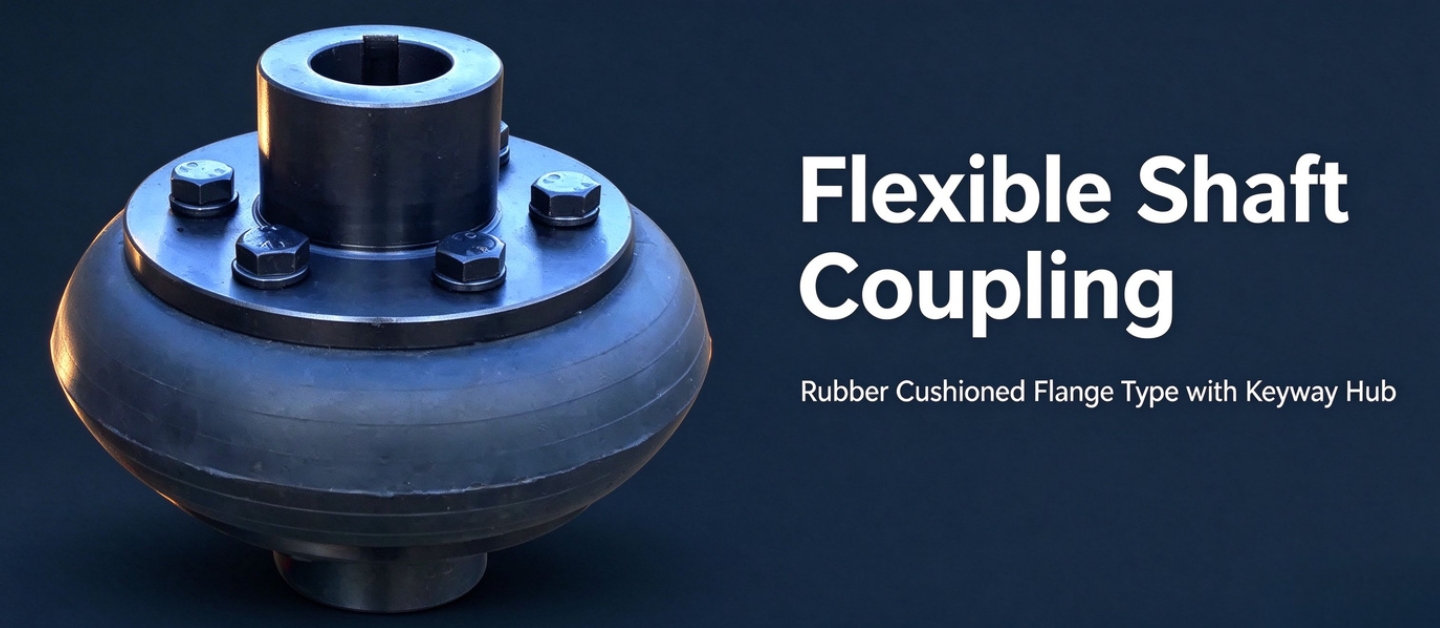
| Product Overview |
Shaft Coupling is an important mechanical device mainly used to connect two shafts or shafts with rotating parts, ensuring that they can rotate together during the transmission of motion and power, and do not detach under normal circumstances. This type of device is sometimes used as a safety device to prevent the connected components from bearing excessive loads and serve as overload protection. The working principle of a shaft coupling is that when the transmission torque acts on the coupling, it is first transmitted to a shaft sleeve through the driving shaft. When the transmission torque reaches a certain value, the shaft sleeve begins to undergo expansion and contraction deformation, transmitting the torque to the passive shaft sleeve. The passive shaft sleeve rotates synchronously, thereby transmitting torque to the passive shaft. When the transmission torque disappears, the coupling returns to its original state and prepares for the next transmission. The structure of a shaft coupling is usually composed of two halves, which are connected by keys or tight fits, and fastened at the ends of the two shafts. Then connect the two halves together through some means (such as bolts, pins, etc.). In addition, the coupling can also compensate for the displacement (including axial displacement, radial displacement, angular displacement, or comprehensive displacement) between the two shafts due to inaccurate manufacturing and installation, deformation during operation, or thermal expansion, as well as mitigate impacts, absorb vibrations, and other functions. |
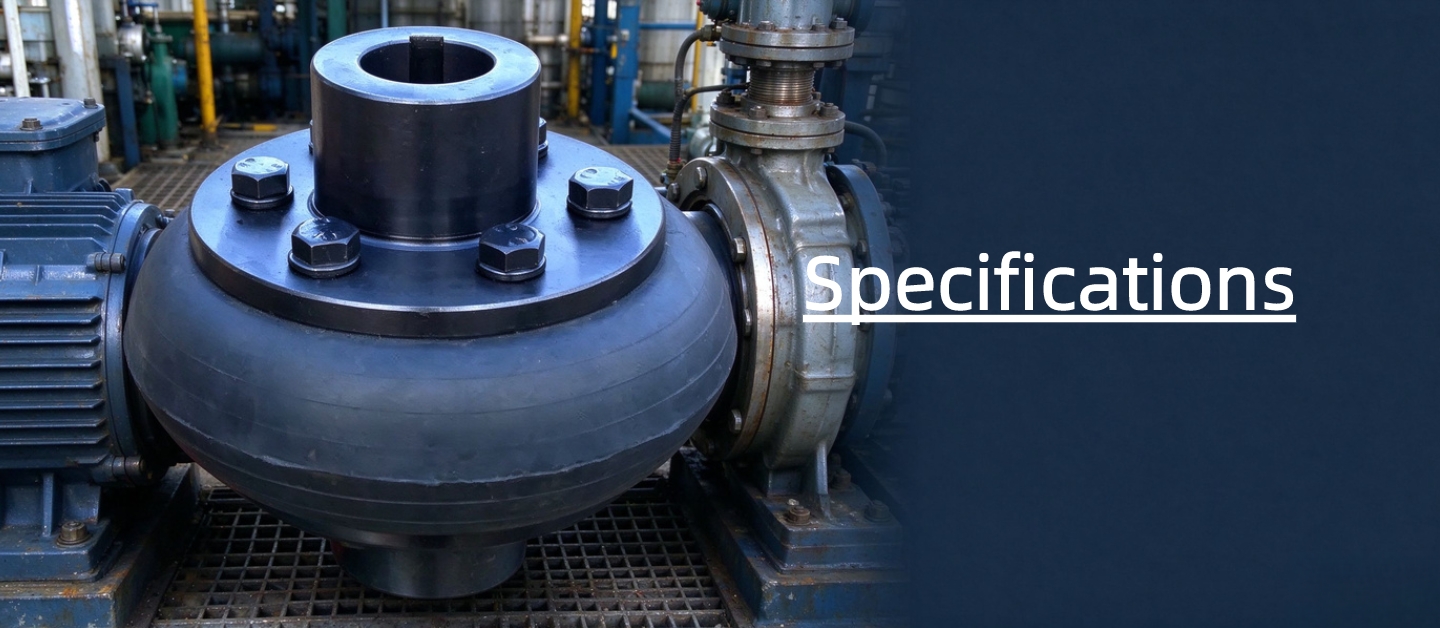
| 1 | Product Name | Coupling / Elastic Coupling |
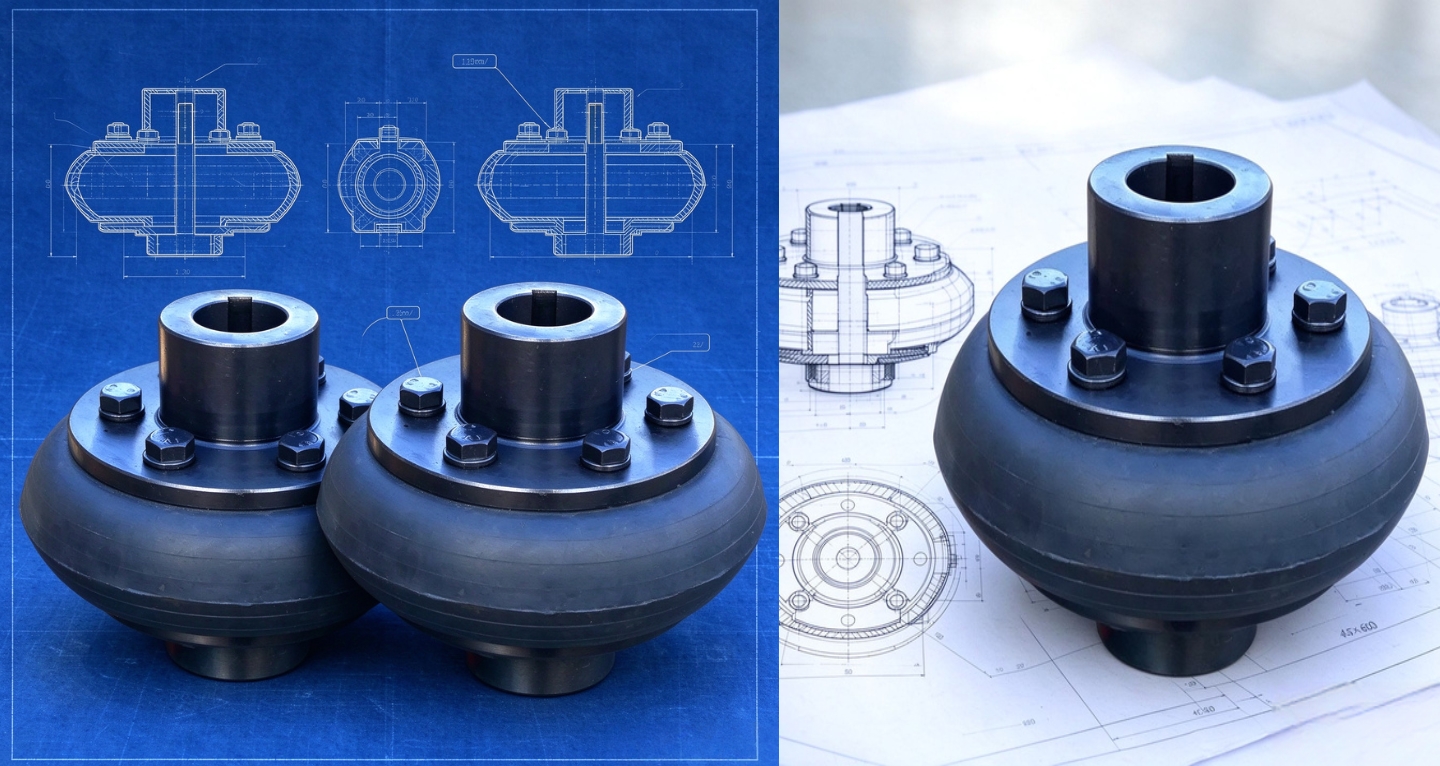
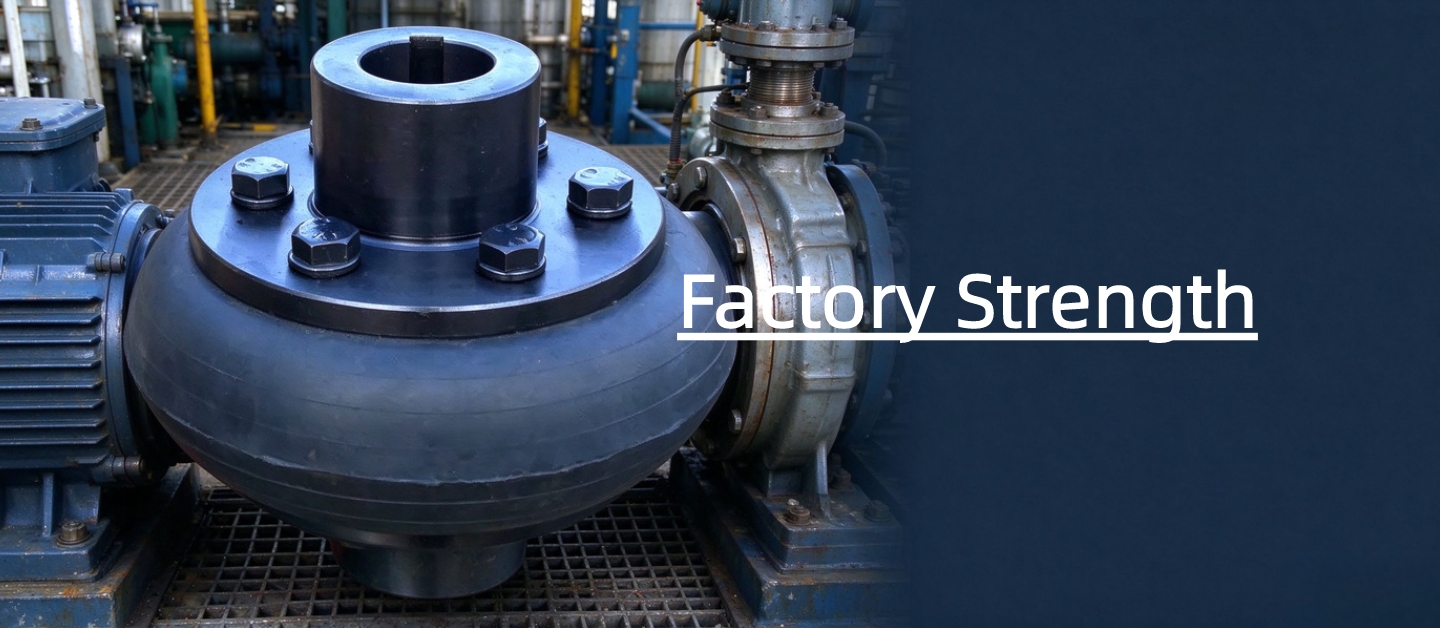
| 2 | Structure Type | Flange type, rubber buffer element, six hexagonal bolts |
| 3 | Body Material | Cast iron, flange machining |
| 4 | Element Material | Rubber cushioning element (standard nitrile rubber) |
| 5 | Element Options | Can provide heat-resistant or oil resistant rubber as needed |
| 6 | Surface Finish | Black anti rust paint after shot blasting |
| 7 | Hub Type | Keyway shaft sleeve, straight hole or tapered hole |
| 8 | Bore Size | According to the drawing or customer shaft diameter |
| 9 | Keyway Size | According to the drawings, standard or non-standard |
| 10 | Bolt Quantity | Six hexagonal bolts, standard grade 8.8 |
| 11 | Bolt Grade Option | Higher levels can be selected for forward and reverse operating conditions |
| 12 | Torque Capacity | Depending on the selected specifications and components |
| 13 | Allowable Misalignment | Minor radial offset and angular deviation |
| 14 | Balance Grade | Perform dynamic balancing according to order requirements before painting |
| 15 | Operating Temperature | Depending on the selected rubber formula |
| 16 | Application | Motors, pumps, reducers, crushers, conveyors, fans, mixers |
| 17 | Assembly Scope | Body, components, six bolts, and keyway shaft sleeve |
| 18 | Spare Parts | Rubber components and bolts can be supplied separately |
| 19 | Customization | Aperture, keyway, shaft sleeve length, color, and nameplate |
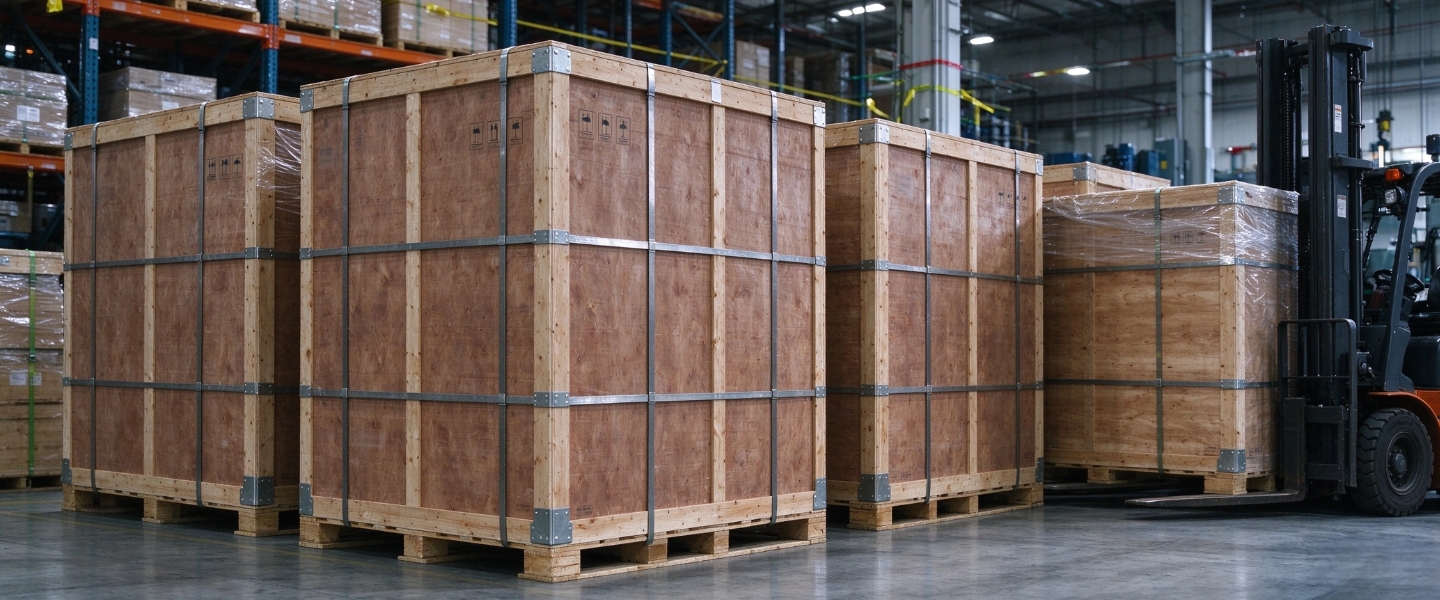
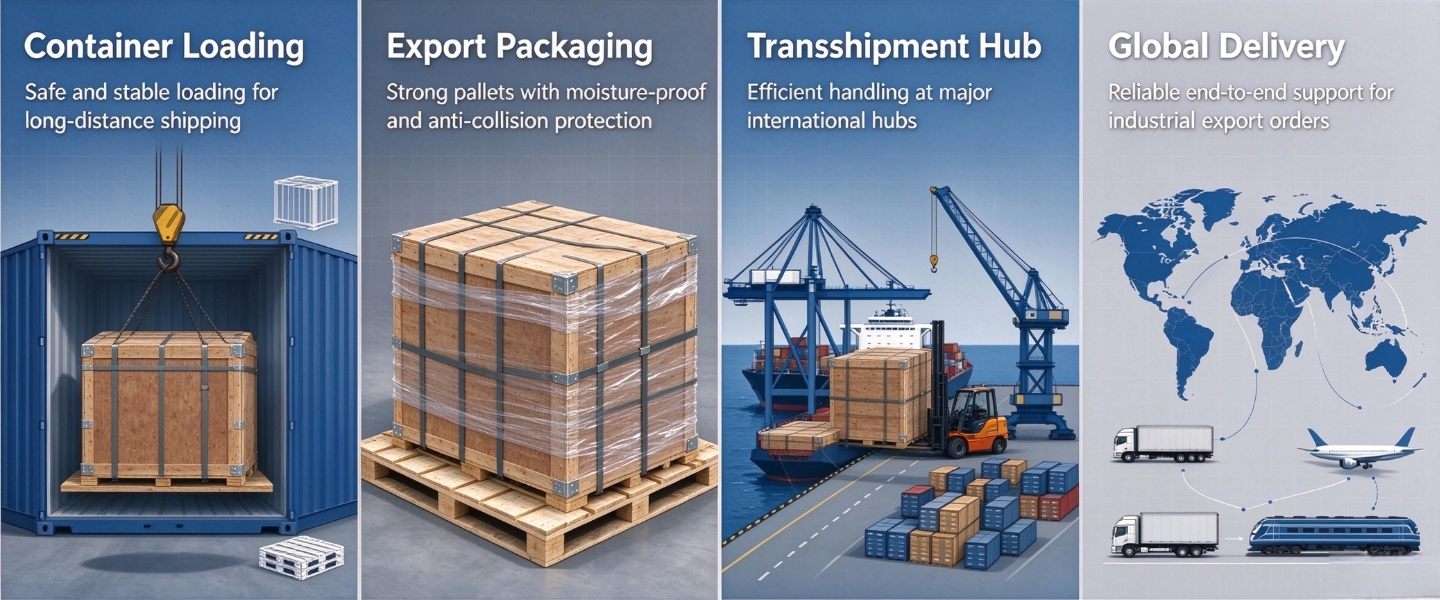
| 20 | Packing | Plywood box, rust proof film, desiccant |

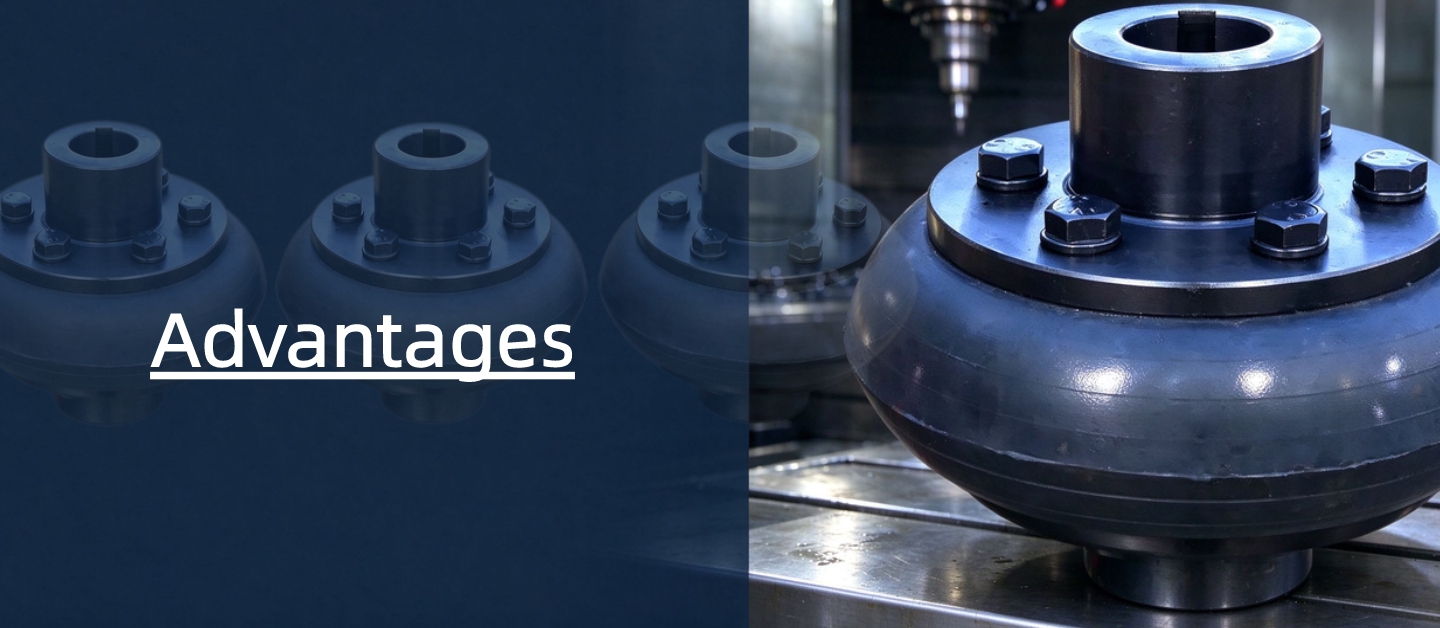
| 1 | The flexible shaft coupling absorbs motor start shock, so pump shaft and bearings see a lower torque peak. A soft rubber element takes the impact before it reaches the driven machine. |
| 2 | Rubber shaft coupling damping cuts vibration that would otherwise travel into the reducer. The element stays under compression, so damping is stable across the whole speed range. Bearings run cooler. |
| 3 | A flange shaft coupling aligns both shafts through a machined spigot, which shortens installation. Six hex bolts fix the flange shaft coupling without a special alignment tool on site. |
| 4 | The keyway shaft coupling transmits full rated torque through a machined key instead of bolt friction. Bored to your shaft diameter, the keyway shaft coupling keeps backlash low after long running. |
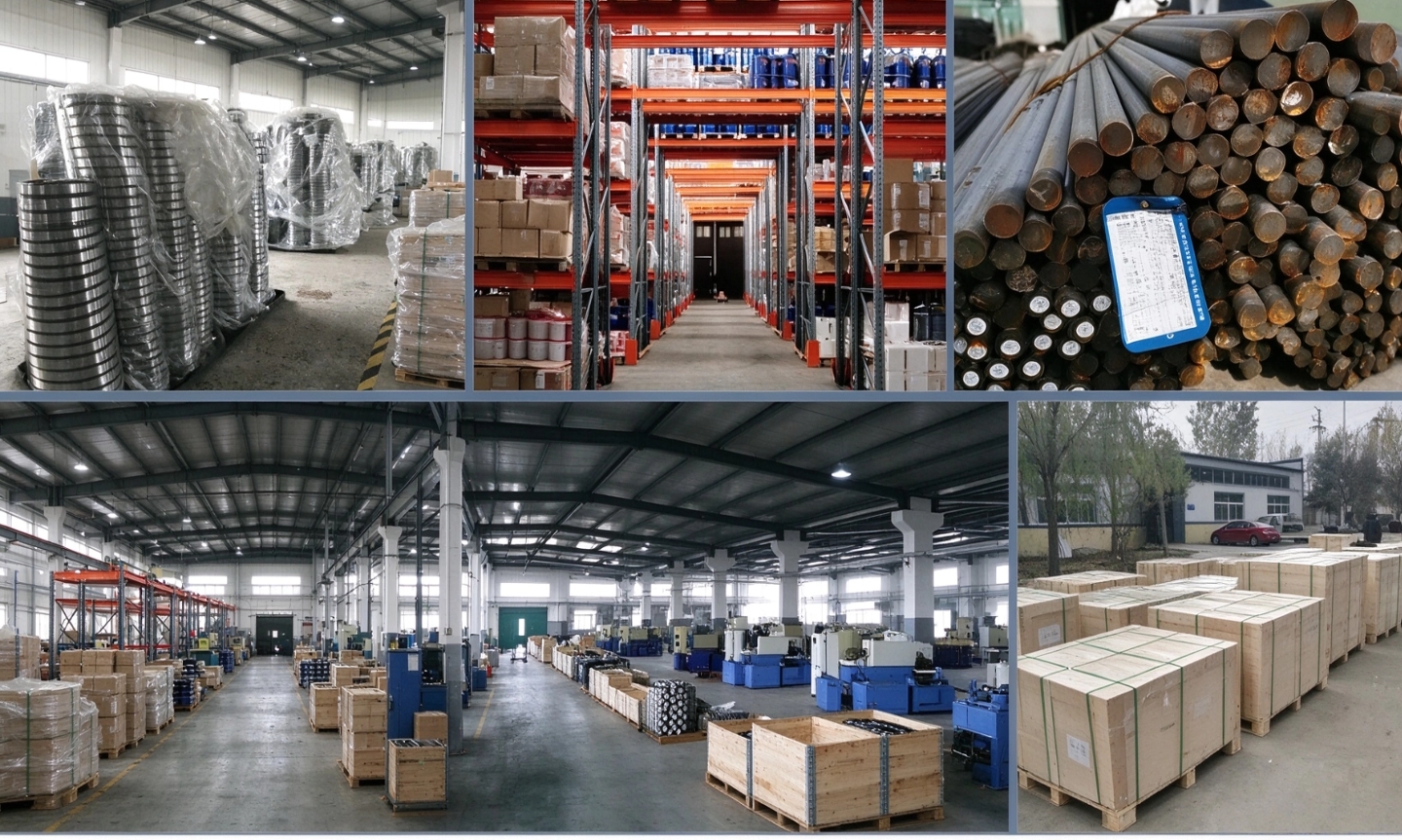
| 5 | As a shaft coupling manufacturer we machine in house, so repeat orders ship fast. Each custom shaft coupling request is reviewed by engineers before quotation, and drawings come back with comments. |
| 6 | The elastic shaft coupling tolerates parallel offset and angular misalignment at the same time. Its rubber element stays protected by the flange, so misalignment does not shorten element life. |
| 7 | A cast iron shaft coupling body resists shock deformation better than a light alloy housing. It also holds bolt torque during reversing duty, so the flange joint stays tight for years. |
| 8 | The anti vibration shaft coupling lowers noise as well as vibration on compressor skids. The element isolates cyclic torque, so bearing temperature drops measurably. Slip is checked on test. |
| 9 | Six bolt shaft coupling joints are tightened in a cross pattern, so the element compresses evenly. This keeps the flange face parallel and prevents wobble at high speed. Element kits are in stock. |
| 10 | A heavy duty shaft coupling is built for crusher and conveyor drives with frequent shock. Thick cast iron flanges and a reinforced element help it survive stone and ore duty. Ore duty is proven. |
| 11 | Shaft coupling assembly arrives with body, element, six bolts and keyway hub, so no parts are missing on site. Each assembly is photographed before packing for traceability. Serial photos are kept. |
| 12 | The torque transmission coupling delivers rated torque without slip during start and reverse. A key plus a compressed element keeps torque capacity predictable. Torque slip is checked at test. |
| 13 | Shaft coupling spare parts are supplied separately, so maintenance does not require a new coupling. One rubber element restores the drive in under an hour. Element kits ship from our stock. |
| 14 | A motor shaft coupling with keyway bore fits standard IEC and NEMA motor shafts. It is machined after the motor drawing is confirmed, so the fit is right the first time. Bore data is checked twice. |
| 15 | The pump shaft coupling damping protects mechanical seals from vibration driven misalignment. With this pump shaft coupling the seal face runs cooler, and replacement is a bolt on job. |
| 16 | The gearbox shaft coupling isolates the reducer from motor torque ripple. This keeps the input shaft steady and extends gear and bearing life in continuous duty. Gear life is proven in service. |
| 17 | Rubber element coupling replacement takes minutes because the element sits between the flanges. A spare rubber element coupling set costs little, so ownership cost stays low. Element sets are stocked. |
| 18 | A coupling for rotating equipment must be balanced before it runs above nominal speed. Every unit we ship is checked for concentricity and balance, and the report travels with the case. |
| 19 | The cushion shaft coupling softens every start of a mixer or agitator, protecting the gearbox from peak torque. It also lets the agitator shaft be pulled without removing the motor. |
| 20 | OEM shaft coupling supply includes your logo plate, part number and packing mark. It is produced on the same machines as our standard line, so quality records stay consistent. Part numbers are logged. |
| 21 | The coupling with flange and keyway hub fits existing guards because overall length follows the original part. It can be a drop in replacement for imported units. Quality records stay traceable. |
| 22 | The industrial shaft coupling is stocked in common frame sizes for fast delivery. If not in stock, we machine it in fifteen to twenty five days after drawing approval. Guards fit unchanged. |
| 23 | A flexible drive coupling reduces peak current at motor start, because the element cushions the inertia step. This lowers stress on the winding and contactor. Motor contactor life improves. |
| 24 | The crusher shaft coupling is reinforced for stone and ore shock, where torque spikes arrive many times per hour. It uses a thicker flange and a harder element than our standard line. |
| 25 | The conveyor shaft coupling handles frequent starts on belt and scraper conveyors. It keeps the pulley shaft aligned, so belt tracking stays stable after coupling replacement. Duty cycle is confirmed. |
| 26 | The mixer shaft coupling is balanced for vertical agitator duty, where any imbalance shows at the shaft top. It is trimmed before painting, so vibration at the tank wall stays low. |
| 27 | A fan shaft coupling must tolerate thermal growth between motor and fan bearing. The rubber element absorbs axial growth, so bearing preload does not drift with temperature. Axial growth is absorbed. |
| 28 | The compressor shaft coupling is selected by torque, speed and duty cycle, not by frame size alone. Our engineers size it from your motor data, so the element is not overloaded. Preload stays stable. |
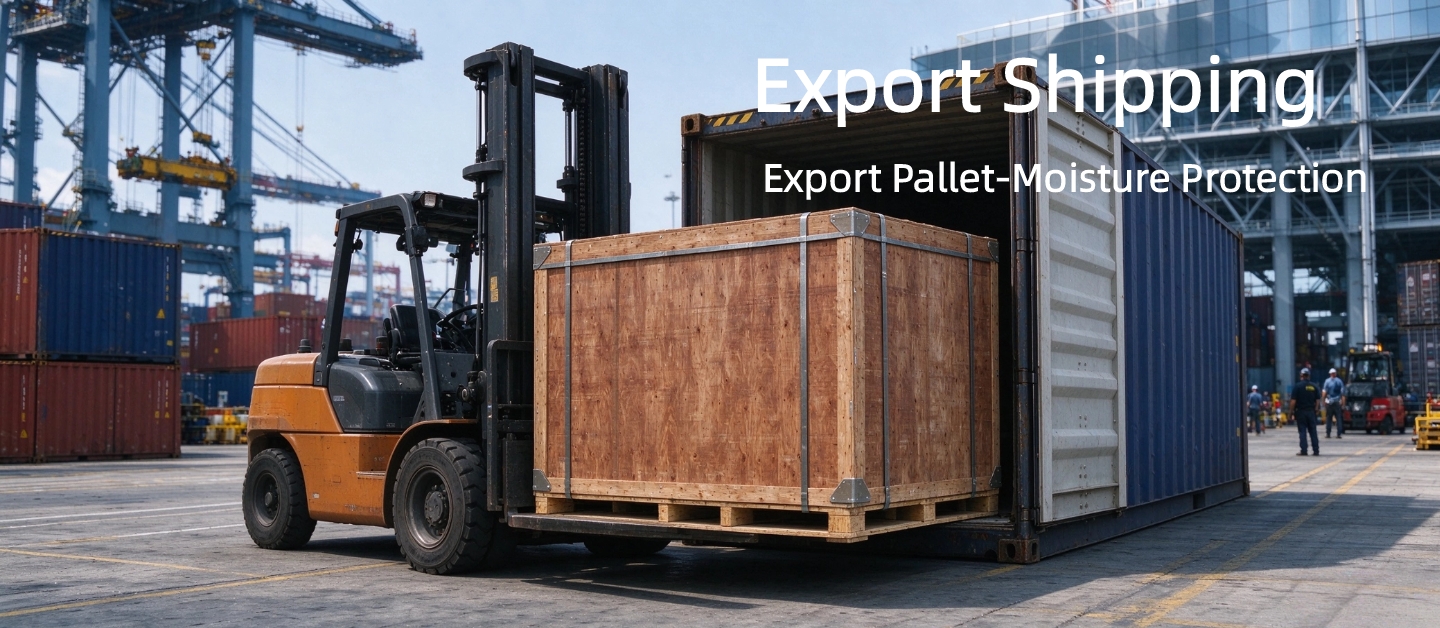
| 29 | Every coupling is packed in a plywood case with rust preventive film and a desiccant bag. The packing list matches the serial number, so customs checks stay simple. Element load is checked. |
| 30 | Twelve month warranty covers material and machining defects on every coupling we ship. Send a photo and serial number, and a replacement coupling or element is arranged quickly. |
FAQ
| 1 | What is a shaft coupling used for? | A shaft coupling connects two rotating shafts and transmits torque between a motor and the driven machine, while the flexible shaft coupling also absorbs shock and misalignment. |
| 2 | Which type is this product? | It is a flexible shaft coupling with a cast iron flange body, a rubber cushion element and six hex bolts, supplied as a complete shaft coupling assembly. |
| 3 | Can the bore and keyway be customized? | Yes, the keyway shaft coupling is bored and broached to your shaft diameter, and a custom shaft coupling can be made with taper bore or non standard keyway. |
| 4 | How do I choose the size? | Send motor power, speed, shaft diameter and duty cycle, and we size the torque transmission coupling and element for your drive. |
| 5 | What torque can it transmit? | Torque capacity depends on the selected size and rubber element, so the flexible drive coupling is rated after your motor data is confirmed. |
| 6 | Is the rubber element replaceable? | Yes, shaft coupling spare parts are sold separately, and the rubber element coupling can be changed without removing the connected machines. |
| 7 | How long does installation take? | The flange shaft coupling bolts on with six hex bolts and a machined spigot, so a two person team normally finishes in under two hours. |
| 8 | Do you supply OEM parts? | Yes, the OEM shaft coupling can carry your part number, logo plate and packing mark, and is machined to your drawing tolerance. |
| 9 | What material is the body? | The cast iron shaft coupling body is machined and shot blasted, then finished with black anti rust paint. |
| 10 | What is the standard element material? | Standard supply uses an NBR rubber cushion element, with heat resistant or oil resistant compound available for the anti vibration shaft coupling. |
| 11 | Can it run in reverse? | Yes, the six bolt shaft coupling holds bolt torque under reversing load, and a higher bolt grade is available for frequent reversing. |
| 12 | What misalignment does it allow? | The elastic shaft coupling accepts slight parallel offset plus angular misalignment, and the rubber element absorbs both at the same time. |
| 13 | Is balancing included? | Every industrial shaft coupling is checked for concentricity, and balancing is performed before painting when the order requires it. |
| 14 | What is the operating temperature? | Working temperature depends on the selected rubber compound, so confirm the ambient and radiant heat before ordering the cushion shaft coupling. |
| 15 | Which machines does it suit? | The motor shaft coupling, pump shaft coupling, gearbox shaft coupling and fan shaft coupling share the same design family. |
| 16 | Can it be used on a crusher? | Yes, the heavy duty shaft coupling uses a thicker flange and a reinforced element for crusher and conveyor shock loads. |
| 17 | Do you supply the full assembly? | The shaft coupling assembly includes body, element, six bolts and keyway hub, so no parts are missing at installation. |
| 18 | What about spare parts stock? | We keep common shaft coupling spare parts in stock, and a spare element set is recommended for every critical drive. |
| 19 | How is it packed for export? | The coupling ships in a plywood case with rust preventive film and a desiccant bag, and the packing list matches the serial number. |
| 20 | What is the warranty? | Every coupling carries a twelve month warranty covering material and machining defects. |
| 21 | What is the minimum order quantity? | MOQ is negotiable, and trial orders of a few pieces are accepted for the flexible shaft coupling. |
| 22 | What is the lead time? | Stock sizes ship in a few days, and a custom shaft coupling is machined in fifteen to twenty five days after drawing approval. |
| 23 | Which port do you ship from? | Orders leave from Qingdao port, and we can quote FOB, CIF or door delivery for the industrial shaft coupling. |
| 24 | Can you quote from a photo? | A photo helps us identify the type, but the rubber shaft coupling must be confirmed by bore, keyway, bolt pitch and overall length. |
| 25 | Do you provide drawings? | Yes, a dimensional drawing of the flange shaft coupling is issued for approval before machining starts. |
| 26 | Is a nameplate available? | Yes, the OEM shaft coupling can carry your nameplate with part number, and the position follows your instruction. |
| 27 | What paint colours are available? | Black is standard for the cast iron shaft coupling, and other colours can be matched to your sample or colour code. |
| 28 | How do I maintain it? | Inspect the rubber element coupling every three months, check bolt torque, and replace the element when cracks appear. |
| 29 | Can it replace an imported coupling? | Yes, a coupling with flange and keyway hub can be made as a drop in replacement using the original overall length and bolt pitch. |
| 30 | How do I get a quotation? | Send drawing or shaft data, quantity and destination port, and our team replies with a quotation for the shaft coupling within 24 hours. |


