
Views: 0 Author: Site Editor Publish Time: 2025-07-21 Origin: Site


Rotary coolers are essential components in cement manufacturing, ensuring that clinker—one of the most important materials in cement production—is cooled efficiently and safely. These coolers are not only crucial for lowering the temperature of clinker but also play a significant role in heat recovery, improving energy efficiency, and enhancing the overall cement production process. In this article, we’ll explore what rotary coolers are, their structure, how they work, and their critical function in cement production.
In cement production, raw materials are processed in rotary kilns, where they are heated to temperatures as high as 1000-1200°C. After exiting the kiln, the clinker produced is still extremely hot and must be cooled to an optimal temperature before it can be ground into cement or transported to storage. This is where rotary coolers come in.
A rotary cooler (also known as a clinker cooler) is designed to cool hot clinker to a manageable temperature, typically below 200°C. This cooling is essential for preventing damage during handling and transportation and for improving the overall quality of the clinker. Additionally, rotary coolers are highly efficient in recovering the heat from the clinker, which can then be reused as combustion air in the rotary kiln, reducing fuel consumption and improving energy efficiency.
Rotary coolers serve several key purposes in cement manufacturing:
The primary function of a rotary cooler is to reduce the temperature of hot clinker after it exits the rotary kiln. Typically, the clinker’s temperature ranges between 1000-1200°C as it leaves the kiln. It must be cooled down to less than 200°C to be safely ground into cement or transported to storage. Cooling the clinker ensures it is handled safely and avoids damage to equipment or workers.
Rotary coolers are designed to recover heat from the clinker and recycle it into the production process. The cooler uses the hot air generated during cooling to heat the secondary and tertiary air, which can then be reused as combustion air in the rotary kiln. This process significantly reduces fuel consumption and optimizes the overall energy efficiency of the cement manufacturing system.
Cooling the clinker at the right rate is essential for achieving high-quality clinker. If the cooling process is too fast or too slow, it can negatively impact the structure and grindability of the clinker, leading to poor cement quality. Rotary coolers allow for a controlled and consistent cooling rate, which enhances the quality and grindability of the clinker, making it easier to process during cement production.
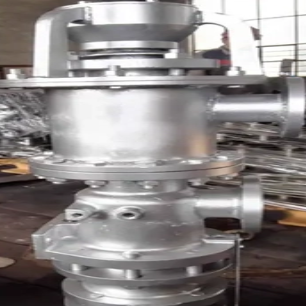
Rotary coolers are designed to meet the demanding requirements of cement production. Here are the key features that make them an essential part of the cement manufacturing process:
Rotary coolers have a relatively simple structure, consisting of a rotating drum, cooling air supply system, and heat recovery system. The simplicity of the design makes them reliable, easy to maintain, and efficient in terms of heat transfer.
One of the major advantages of rotary coolers is their low maintenance cost. With fewer moving parts and a simple design, these coolers require less maintenance compared to other cooling systems. The initial investment is also relatively low, making rotary coolers a cost-effective solution for cement production lines.
Rotary coolers are versatile and can be used for cement production lines with a wide range of capacities, typically from 500 to 2000 tons per day (t/d). This makes them suitable for both small and large-scale cement plants.
In addition to the rotary cooler itself, manufacturers like AGICO offer additional equipment such as conveying and feeding systems to improve the overall cement production process. These additional systems help streamline the material flow and ensure consistent performance of the rotary cooler.
The rotary cooler consists of several key components that work together to provide efficient cooling:
The main component of a rotary cooler is the rotary cylinder, which is tilted at an angle of 4° to 7° from the horizontal. This inclination ensures that the clinker moves smoothly through the cooler and has sufficient contact time with the cooling air.
The rotary cylinder is supported by a support ring, which helps prevent the cylinder from moving axially. This ring, combined with a stopping wheel device, keeps the cooler in place during operation and ensures smooth rotation.
A large gear ring is mounted on the body of the cooler, which is driven by a motorized drive device. This allows the cylinder to rotate slowly, facilitating the movement of clinker through the cooler and enabling heat exchange between the material and the cooling air.
Inside the cylinder, there are flights (metal blades) that help lift and cascade the clinker. The flights increase the surface area of the clinker exposed to the cooling air, improving the heat exchange process and ensuring that the clinker cools evenly.
Rotary coolers are designed to handle a variety of materials, including clinker, which is the most common material used in cement manufacturing. However, they can also be used to cool other bulk solids such as:
Granules: Materials such as fertilizers and chemicals
Metals: Some metal industries use rotary coolers to cool metal clinkers or molten materials
Minerals: Other industries processing minerals can also benefit from rotary coolers
Choosing the right material for cooling is essential to ensure efficient heat exchange and energy recovery. Rotary coolers are ideal for materials that need controlled cooling, as well as for those that can be safely exposed to air.
The effectiveness of rotary coolers depends on several heat transfer mechanisms:
In areas of the cooler without flights, clinker accumulates at the bottom of the cylinder, and the heat transfer rate is slow. This is because the surface area exposed to the air is limited.
In the no-flight zones, radiative heat transfer from the hot clinker to the refractory lining occurs. The heat is then transferred from the refractory to the air. However, this process is slower than the convective heat transfer.
The heat lost through the outer surface of the cylinder is considered inefficient. Manufacturers aim to minimize this heat loss to maximize the heat recovery process.
In the flight zones, the clinker is suspended in the air, and the heat transfer process becomes much faster due to the larger surface area exposed to the air. This is the main heat exchange process in the rotary cooler and is critical for efficient cooling.
Rotary coolers play a crucial role in cement manufacturing by providing efficient cooling, heat recovery, and significant energy savings. With their simple yet effective design, rotary coolers not only enhance clinker quality but also optimize the overall energy efficiency of cement production. Understanding their function, structure, and heat transfer mechanisms allows manufacturers to fine-tune their processes, leading to improved productivity and cost savings.
For cement manufacturers seeking to maximize cooling efficiency and energy recovery, investing in rotary coolers is a smart move toward more sustainable and cost-effective operations. Qingdao Kechengyi Environmental Protection and Electric Power Technologies Co., Ltd. (KCY) specializes in providing high-quality rotary coolers tailored to the needs of the cement industry. Their expert team can help you select the best solution to optimize your cooling processes and boost your operational efficiency. For more information or to discuss your specific needs, reach out to KCY today.


